Ultimate Kotor, Montenegro Travel Guide: Where Medieval History Meets Fjord-like Grandeur
Left Click – Fire Weapon
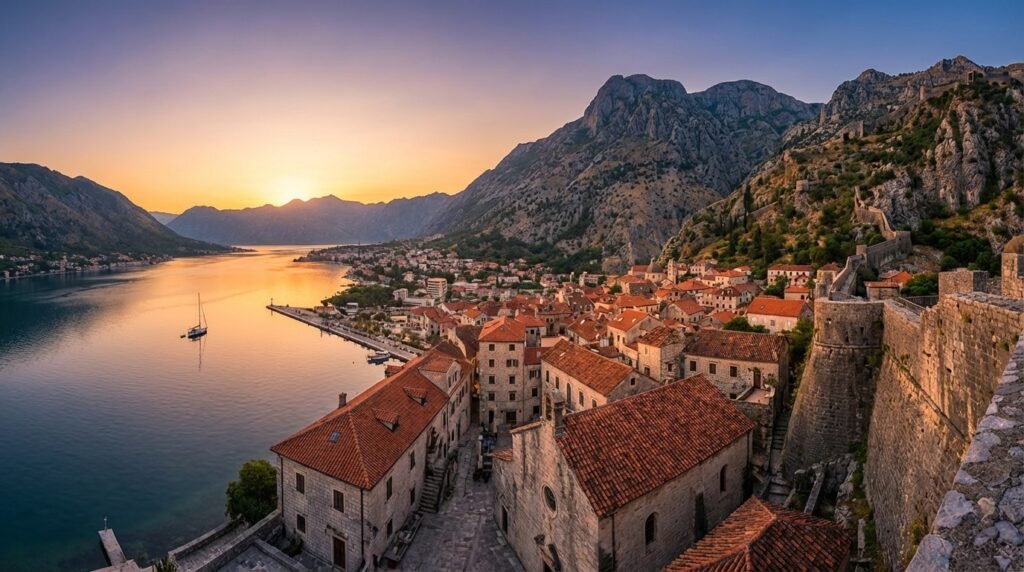
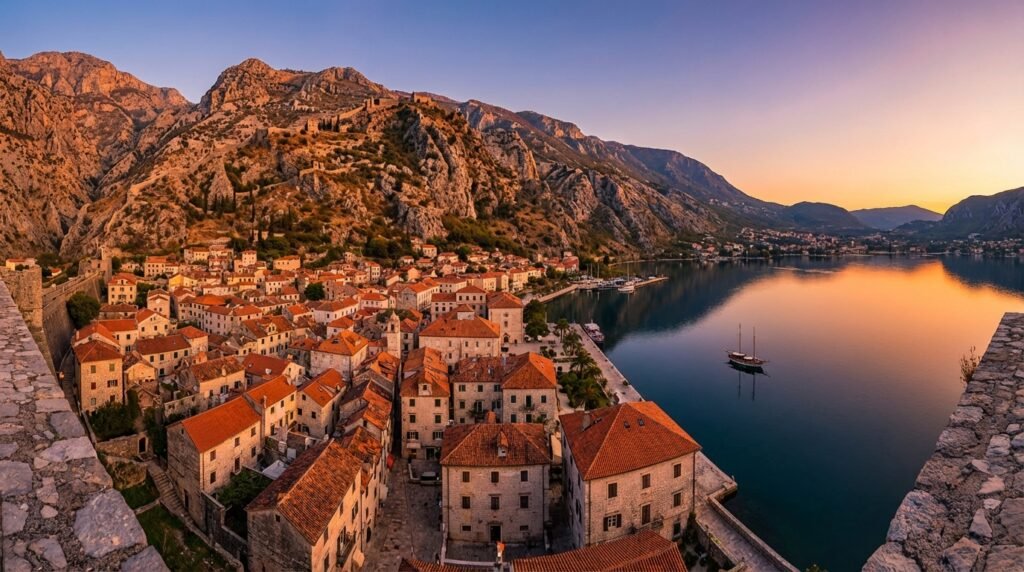
Kotor, a fortified coastal town nestled along Montenegro’s dramatic Adriatic shoreline, offers a rare blend of medieval charm, natural grandeur, and cultural depth. Framed by steep limestone mountains and mirrored in the tranquil waters of the Bay of Kotor, it entices travelers seeking both historic intrigue and outdoor adventure. This guide explores the essence of Kotor, highlighting its major landmarks, activities, and practical recommendations for where to eat and stay.
Discovering Kotor: A Gem of Montenegro
Overview of Kotor’s Location and Significance
Kotor lies in southwestern Montenegro, at the southernmost tip of the Bay of Kotor, often described as Europe’s southernmost fjord, though it is technically a ria. Surrounded by towering peaks and hemmed in by a series of narrow channels, the town enjoys a uniquely sheltered position that has historically made it both a safe harbor and a strategic prize.
This coastal town is part of the broader Adriatic Riviera yet retains a markedly distinct character from more commercialized destinations. Its compact size conceals a wealth of architectural treasures, atmospheric squares, and ecclesiastical monuments. Due to its well-preserved medieval core and dramatic topography, Kotor has become a flagship destination for Montenegro, appealing to cruise passengers, independent travelers, and culture enthusiasts alike.
Brief History of Kotor
Kotor’s history is layered and complex, shaped by the succession of empires that coveted its natural harbor. Founded in antiquity, it grew in prominence under Roman and later Byzantine rule. However, it was during the era of Venetian dominance, from the 15th to the late 18th century, that Kotor acquired much of its current architectural character. The Venetian influence is evident in the stone palaces, defensive walls, and ornate churches that define the old town.
The town endured earthquakes, sieges, and shifting political allegiances as it passed between the Austro-Hungarian Empire, the Kingdom of Yugoslavia, and, in the 20th century, socialist Yugoslavia. Despite these upheavals, Kotor’s urban fabric remained remarkably intact. Following Montenegro’s independence in 2006, Kotor has emerged as one of the country’s premier tourist destinations, recognized for both its historical legacy and its scenic bay, considered among the most beautiful on the Adriatic coast.
Top Attractions in Kotor
St. Tryphon Cathedral
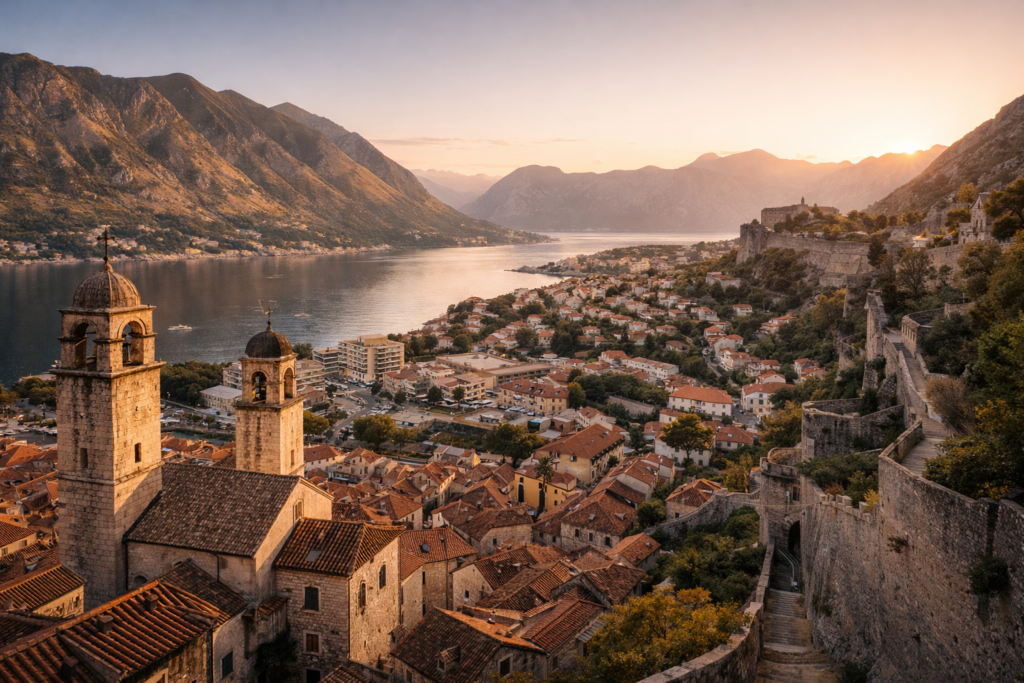
St. Tryphon Cathedral, dedicated to Kotor’s patron saint, is one of the most significant Romanesque churches on the Adriatic. Originally consecrated in 1166, the cathedral has been meticulously reconstructed and restored several times, most notably after the devastating earthquake of 1667 and again following the 1979 quake. Its two bell towers, slightly asymmetrical due to rebuilding efforts, lend the façade a distinctive and somewhat austere elegance.
Inside, visitors encounter a refined blend of Romanesque and Baroque elements. Frescoes, carved stone details, and a rich collection of reliquaries and liturgical objects offer insight into the religious and artistic life of Kotor through the centuries. The treasury, located on the upper floors, houses an impressive collection of icons and ecclesiastical artifacts, revealing the town’s longstanding role as a spiritual center in the region.
https://www.teepublic.com/t-shirt/51544745-gold-soccer-ball?store_id=2851997
Kotor Old Town: A UNESCO World Heritage Site
The old town of Kotor, enclosed by robust stone walls and punctuated by bastions and gates, is at the heart of its UNESCO World Heritage status. Entering through the Sea Gate, visitors find themselves in a maze of narrow alleys, vaulted passageways, and intimate squares, each with its own character and history. The layout reflects a careful adaptation to the terrain, with streets designed both for defense and to provide shade from the Adriatic sun.
Key landmarks include the Clock Tower and the Arms Square, the elegant Pima Palace with its elaborate balconies, and the Church of St. Luke, an architectural testament to the coexistence of Catholic and Orthodox communities. Cafés and small boutiques occupy centuries-old buildings, offering an evocative backdrop for a leisurely stroll. Walking without a fixed itinerary is often the best way to appreciate the subtleties of the town’s architecture and to discover quieter corners away from the main thoroughfares.
The city walls, extending high into the mountainside, are an integral aspect of Kotor’s appeal. Their imposing presence recalls the town’s historically precarious position between maritime commerce and regional conflict, and they visually unite the urban core with its rugged natural surroundings.
Outdoor Activities in Kotor
Hiking the Fortress of San Giovanni
One of Kotor’s most rewarding experiences is the hike to the Fortress of San Giovanni, also known as St. John’s Fortress. The ascent begins near the northeastern exit of the old town and follows an old stone path that climbs steeply along the fortifications. With approximately 1,300 steps, the hike requires a moderate level of fitness, but the panoramic views over the old town and the Bay of Kotor make the effort worthwhile.
Along the route, hikers pass small chapels, remnants of former defensive structures, and strategic viewpoints that highlight the town’s strategic importance. The fort itself, now partially in ruins, offers commanding vistas in all directions. Early morning or late afternoon ascents are recommended to avoid the midday heat and to enjoy softer lighting for photography. Sturdy footwear, water, and sun protection are essential for a comfortable climb.
Exploring the Bay of Kotor
The Bay of Kotor is a natural amphitheater of water and stone, and exploring it by boat or car reveals a succession of small towns, islets, and inlets. Boat excursions from Kotor typically include stops at Perast and the man-made islet of Our Lady of the Rocks, a Baroque church and museum that appears to float serenely on the bay’s surface. The interplay of light on the water and the jagged mountain ridges creates a constantly shifting tableau.
For those who prefer to stay on land, driving or cycling along the serpentine coastal road provides numerous opportunities to stop at waterfront cafés, swim in sheltered coves, or photograph traditional stone houses reflected in the still water. Kayaking and stand-up paddleboarding are increasingly popular, allowing visitors to experience the bay at a slower pace and to access less frequented shores.
The bay also serves as a natural gateway to the interior of Montenegro. From Kotor, it is possible to venture into nearby national parks, such as Lovćen, for additional hiking, scenic viewpoints, and encounters with traditional Montenegrin villages.
Where to Eat and Stay in Kotor
Best Restaurants for Local Cuisine
Kotor’s culinary scene blends coastal Mediterranean influences with hearty Balkan flavors. Seafood is a highlight, with freshly caught fish, mussels, and squid featured prominently on local menus. Traditional dishes often incorporate olive oil, herbs, and seasonal vegetables, reflecting the region’s maritime heritage and mild climate.
Within the old town, numerous restaurants occupy historical buildings, offering intimate courtyards or terrace seating in lively squares. Diners can sample grilled fish, octopus salad, and black risotto, alongside regional specialties such as njeguški pršut (smoked ham from the nearby Njeguši village) and local cheeses. Wines from Montenegrin vineyards complement these dishes, with both red and white varieties showcasing the country’s emerging viticultural reputation.
Outside the city walls, waterfront taverns and more contemporary venues provide a contrasting atmosphere, often with sweeping views of the bay. These establishments are ideal for enjoying a slower meal at sunset, when the colors of the sky and water shift and the silhouettes of the mountains deepen.
Recommended Hotels and Accommodations
Kotor offers a diverse range of accommodations, from characterful boutique hotels set within historic stone buildings to modern properties situated along the bay. Staying inside the old town places visitors at the center of the action, with immediate access to landmarks, restaurants, and evening ambiance. Many of these smaller hotels and guesthouses feature carefully restored interiors that preserve original architectural elements while providing contemporary comforts.
For those seeking tranquility and easy access to the water, accommodations just outside the city walls or in neighboring settlements along the bay can be particularly appealing. These options often provide balconies or terraces with expansive views, direct access to swimming spots, and a calmer environment, especially during the peak summer season when the old town can become crowded.
Self-catering apartments are also widely available, offering flexibility for longer stays and for travelers who prefer a more residential experience. Regardless of the chosen style, booking well in advance is advisable during high season, as Kotor’s popularity continues to grow and high-quality lodgings are in strong demand.
In conclusion, Kotor stands out as one of the Adriatic’s most compelling destinations, combining a remarkably preserved medieval core with a setting of exceptional natural beauty. Its historic monuments, defensive walls, and atmospheric streets reveal centuries of cultural exchange, while the surrounding bay and mountains invite exploration on foot, by boat, or by car. Whether you are drawn to cathedrals and cobblestone alleys or to hiking trails and quiet waterfronts, Kotor offers a multifaceted experience that rewards both brief visits and extended stays.
Holiday in London: Travel Guide, and Top Attractions
Dubrovnik Travel Guide: Explore the Pearl of the Adriatic’s Beauty
The Ultimate Guide to the Groove, History, and Culture
Top 5 Ways to Boost Your Metabolism
#Kotor #Montenegro #BayOfKotor #TravelMontenegro #AdriaticCoast #MedievalTown #UNESCOWorldHeritage #KotorOldTown #HikingMontenegro #KotorFortress #SanGiovanni #StTryphonCathedral #EuropeTravel #BalkanAdventures #ScenicViews #Fjord #OurLadyOfTheRocks #Perast #TravelPhotography #SunsetKotor
Crystal Collector
Combat Protocol
WASD – Move
Mouse – Look around
R – Reload
Eliminate all hostile units in the sector!
(Works better on computer)