
Top Attractions, Hidden Gems & Essential Travel Tips
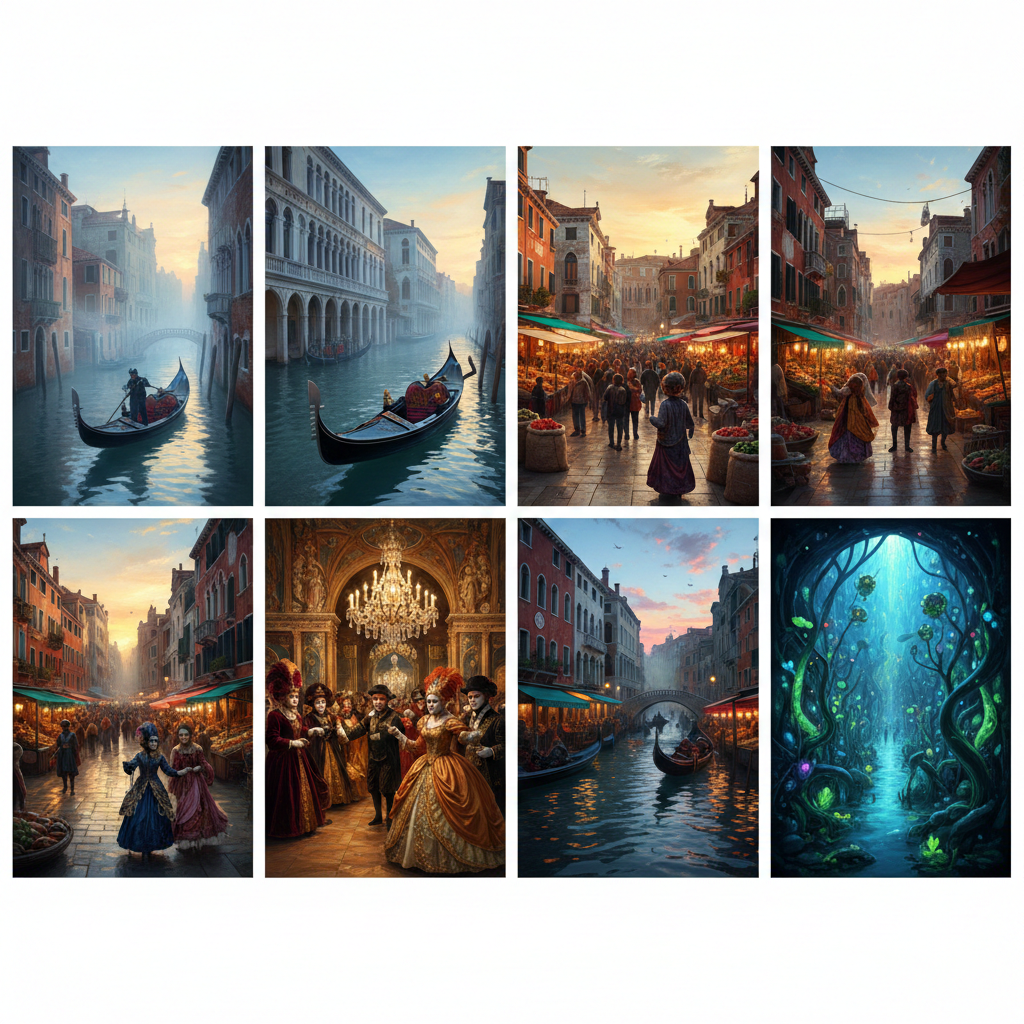
Venice is a city that seems to float between reality and dream. Built on a lagoon and laced with shimmering canals, it has long captured the imagination of travelers, artists, and writers. Visiting Venice is not simply about ticking off famous attractions; it is about immersing yourself in a unique urban landscape where history, art, and daily life are inextricably intertwined.
Venice Travel Guide
Plan your perfect Venice travel guide with top attractions, hidden gems, travel tips, best time to visit, and authentic food experiences.
Whether you are planning your first trip to Venice or returning to deepen your appreciation, this guide explores the city’s fascinating past, its iconic architecture, unmissable attractions, lesser-known corners, practical travel tips, and distinctive culinary traditions. Use it to design an itinerary that balances celebrated highlights with authentic experiences.
Discovering the Magic of Venice
History and Culture of Venice
Venice originated in the early Middle Ages, when communities sought refuge from invasions on the marshy islands of the Venetian Lagoon. Over the centuries, this precarious settlement grew into a maritime powerhouse, the Serenissima Republic of Venice, commanding trade routes that linked Europe with the Byzantine Empire and the East. The city’s wealth, accumulated through commerce and naval supremacy, funded grand palaces, churches, and public buildings that still define its skyline today.
The culture of Venice reflects this cosmopolitan heritage. Eastern and Western influences mingle in its art, architecture, and even its dialect. Venetian painters such as Titian, Tintoretto, and Veronese revolutionized Renaissance art with their mastery of color and light. Music flourished as well; Venice was a center for opera and the birthplace of Antonio Vivaldi, whose compositions remain closely associated with the city.
Religion and civic life have long overlapped in Venice. The doge, once the elected leader of the republic, resided in the Palazzo Ducale, symbolizing the intricate balance between political power and public accountability. Venetian festivals, from Carnival with its elaborate masks to the Festa del Redentore and the Regata Storica, continue to express centuries-old traditions. Contemporary Venice, while grappling with mass tourism and environmental challenges, still retains a distinct identity shaped by independence, creativity, and resilience.
Unique Architecture and Landmarks
Venice’s architecture is singular, shaped by limited land, soft foundations, and an openness to outside influences. Buildings rest on millions of wooden piles driven into the lagoon’s mud, supporting a dense network of palazzi, churches, and campanili that line the canals and piazzas. The result is a city where every turn reveals another interplay between water, stone, and sky.
St. Mark’s Basilica embodies Venice’s Byzantine connections, with its domes, shimmering mosaics, and intricate marble inlays. Adjacent, the Doge’s Palace showcases Gothic elegance with delicate tracery and arcades, while its interior halls narrate the power and ceremony of the Venetian Republic. The Campanile of San Marco, rising over the square, offers a panoramic perspective of red-tiled roofs, church domes, and the open lagoon.
Along the Grand Canal, a series of palaces chronicle evolving styles: Venetian-Byzantine, Gothic, Renaissance, and Baroque. Many house museums and galleries, such as Ca’ Rezzonico and Ca’ d’Oro. Bridges also define the cityscape. The Rialto Bridge, with its stone arches and shopfronts, is the oldest crossing of the Grand Canal, while the modern Ponte della Costituzione reflects current design debates. Throughout the city, architectural details—secret courtyards, ornate wells, fading frescoes—reward attentive exploration.
Top Attractions in Venice
Must-See Sights and Experiences
Some experiences in Venice are essential, especially for first-time visitors. Begin at Piazza San Marco, often described as Venice’s grand drawing room. Here you can visit St. Mark’s Basilica, climb (or take the lift) up the Campanile, and tour the Doge’s Palace, including the Bridge of Sighs and the former prisons. Arrive early in the morning or later in the evening to appreciate the square with fewer crowds.
The Grand Canal is the city’s main artery. Gliding along it by vaporetto (water bus) on Line 1 or 2 provides an affordable, scenic journey past historic palaces and bustling traghetto crossings. For a more intimate perspective, consider a gondola ride on quieter side canals, ideally at dusk when the city’s façades are reflected in still waters and the light softens.
Venice is also an artistic capital. The Gallerie dell’Accademia holds masterpieces by major Venetian painters, while the Peggy Guggenheim Collection exhibits modern and contemporary works in a former palazzo. If your visit coincides with the Venice Biennale, you can explore cutting-edge art or architecture across national pavilions and curated exhibitions.
Island excursions enrich any Venetian itinerary. Murano is renowned for glassmaking; you can observe artisans at work and explore specialized museums. Burano, with its vivid houses and lace-making tradition, offers a vibrant contrast to the more subdued tones of central Venice. Torcello, quieter and sparsely inhabited, preserves a sense of the lagoon’s early history with its ancient cathedral and mosaics.
Hidden Gems Off the Beaten Path
To experience a more tranquil side of Venice, venture beyond the main tourist routes. The Cannaregio district, for example, retains a residential atmosphere. Here you can wander along Fondamenta della Misericordia, lined with understated osterie and wine bars, and visit the historic Jewish Ghetto, one of the first of its kind in Europe, with its synagogues and small museums.
Dorsoduro, across the Grand Canal from San Marco, combines culture and calm. The Zattere promenade offers expansive views across the Giudecca Canal, especially beautiful at sunset. Nearby, the Church of San Sebastiano and the Scuola Grande dei Carmini house important artworks but attract fewer crowds than more famous sites.
Castello, stretching east from San Marco, reveals a more local rhythm. The broad Via Garibaldi is lined with shops, markets, and cafés frequented by residents. At the far end of the district lie the Giardini and the Arsenale, significant for their roles in the Biennale and Venice’s maritime past. Scattered throughout the city, secluded campi (small squares), minor churches, and narrow fondamenta invite unhurried exploration, providing space to appreciate Venice at a human pace.
Venice Travel Tips
Best Time to Visit Venice
Choosing when to visit Venice significantly shapes your experience. The most popular periods are late spring and early autumn, when temperatures are pleasant and daylight is generous. However, these seasons also attract the greatest number of visitors, especially around public holidays and major events.
Winter brings a different charm. From late November through February, apart from the Carnival period, Venice is generally quieter. Mists over the lagoon, shorter days, and moody skies create a contemplative atmosphere. Accommodation prices often decrease, and you will encounter fewer crowds at major landmarks. Be prepared for cooler temperatures, humidity, and the possibility of acqua alta, the tidal flooding that intermittently affects low-lying areas.
Summer offers long days but also higher temperatures, humidity, and peak tourism levels. If you visit between June and August, plan early morning and late evening sightseeing, reserving the hottest hours for museums, churches, or a leisurely lunch. Regardless of season, consider avoiding weekends when possible, and book key attractions and accommodations well in advance.
Navigating the Canals: Transportation Options
Venice is a city without cars, which is both its greatest charm and a practical consideration. Most movement takes place on foot, across bridges and along canals, or via water transport. Understanding the options in advance streamlines your stay and allows you to move efficiently between districts and islands.
The vaporetto network, operated by ACTV, is the backbone of public transportation. Lines 1 and 2 run along the Grand Canal, stopping at major points such as Rialto and San Marco. Other routes connect outer neighborhoods and islands, including Murano, Burano, and the Lido. Purchasing a time-limited travel pass (24, 48, or 72 hours, or longer) is often more economical than buying single tickets, especially if you plan multiple boat journeys.
Water taxis provide direct, private transport but at a significantly higher cost. They are valuable if you are traveling with substantial luggage, arriving late at night, or seeking convenience from the airport or train station to your accommodation. Always clarify the price before departure, and consider sharing with other travelers when possible.
Gondolas, while iconic, function primarily as a cultural and scenic experience rather than practical transport. Fixed tariffs apply, with additional charges after dark or for extended routes. For a brief, inexpensive crossing of the Grand Canal, locals often use traghetti—simple gondola-style boats that ferry passengers between limited points where bridges are absent.
On land, comfortable footwear is essential. Distances may appear short on a map, but the network of bridges and alleys can be disorienting. Allow extra time between appointments, especially if you are unfamiliar with the city. Offline maps and clear written directions from your accommodation can help you navigate efficiently without relying solely on signage.
Culinary Delights of Venice
Traditional Dishes to Try
Venetian cuisine draws deeply on the lagoon, the Adriatic Sea, and the city’s trading past. It favors simple preparations that highlight freshness, balanced with spices and ingredients that recall historic commercial routes. Dining in Venice is an opportunity to explore flavors distinct from other Italian regions.
Seafood is central. Dishes such as sarde in saor—marinated sardines with onions, vinegar, raisins, and pine nuts—illustrate the blend of sweet and sour typical of Venetian cooking. Seppie in nero, cuttlefish in its own ink, is often served with creamy polenta, creating a striking contrast of color and texture. Another classic is baccalà mantecato, a smooth, whipped salt cod spread, customarily enjoyed on toasted bread or grilled polenta slices.
Rice and polenta frequently substitute for pasta. Risi e bisi, a risotto-like dish of rice and peas, historically marked the feast of St. Mark but is now appreciated throughout spring. Bigoli in salsa, thick whole-wheat pasta with an anchovy and onion sauce, offers a rustic, flavorful option. Seasonal vegetables, particularly artichokes from the nearby island of Sant’Erasmo, enrich many preparations.
In traditional bàcari (Venetian wine bars), you can sample cicchetti, small plates akin to tapas. These may include crostini, fried seafood, meatballs, or tiny sandwiches, typically accompanied by a glass of local wine, known as an ombra. For dessert, try baicoli (light biscuits), zaleti (cornmeal cookies), or fritole (fried doughnuts), especially during Carnival.
Best Restaurants and Cafés in Venice
Choosing where to eat in Venice requires a discerning approach, as quality varies considerably. Venturing away from the most crowded tourist areas generally improves your chances of finding authentic cuisine and attentive service. Seek establishments frequented by locals, and prioritize concise menus that change with the seasons.
In Cannaregio and Dorsoduro, numerous osterie and bàcari offer well-prepared traditional dishes and excellent cicchetti. Reservations are often advisable for dinner, especially on weekends. Look for places that highlight local seafood, regional wines from the Veneto, and daily specials based on fresh market ingredients from the Rialto area.
For a more refined experience, Venice hosts several gourmet restaurants where chefs reinterpret classical recipes with contemporary techniques. These venues often provide tasting menus emphasizing lagoon fish, shellfish, and carefully sourced produce. Pairings with regional wines—such as Soave, Valpolicella, or Prosecco from the surrounding countryside—enhance the meal.
Cafés also play a significant role in Venetian life. Historic establishments around Piazza San Marco offer an atmospheric, if more expensive, setting for coffee and pastries, particularly when accompanied by live music. Elsewhere in the city, smaller pastry shops and coffee bars serve excellent espresso, cappuccino, and freshly baked goods at more modest prices. Exploring different cafés as you move between districts is an enjoyable way to punctuate your day.
Venice’s enduring appeal lies in the interplay between its fragile environment, layered history, and daily rituals. Beyond the famous images of gondolas and grand palaces, the city rewards those who wander slowly, observe carefully, and engage respectfully with its rhythms.
By understanding Venice’s cultural heritage, prioritizing both celebrated sites and quieter districts, planning around seasonal patterns, and savoring its distinct cuisine, you can experience a more nuanced and memorable stay. Approach the lagoon city with curiosity and patience, and it will reveal an extraordinary depth that lingers long after you depart.
- http://History and Culture of Venice
- Iii_the_florence_202601011451_l7bew
- The Best Yoga Poses for Digestion
- https://orenga.myspreadshop.com/neon+infused+cat+cyberpunk+aesthetic-A668ed5efdb32e840eb79a66d?productType=444&sellable=MXw19MvAeOH1wYnyQkGx-444-23&appearance=1
- https://www.teepublic.com/t-shirt/50105160-car?store_id=2851997
My Puzzle