
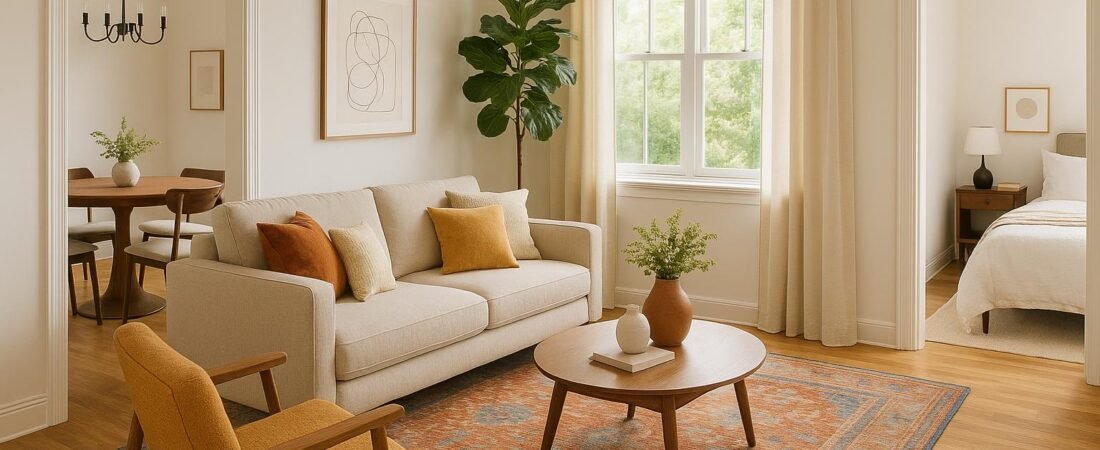
Room-by-Room Interior Design in 2026: Warm, Flexible, and Deeply Personal
In 2026, interior design is no longer about making every room match a single trend. Instead, homes are being designed room by room, with each space tailored to how you actually live: its function, mood, and the personality of the people who use it.
Across the whole home, you’ll see the same themes repeating: warmth, wellness, flexibility, texture, natural materials, and a “collected over time” look that feels lived-in rather than staged. Below, we’ll walk through each key room in the house and explore how to bring these ideas to life in practical ways.
Living Room: Cozy, Flexible, and Collected
The 2026 living room moves away from stiff, perfectly matched sets and toward cozy, layered spaces that can easily adapt from solo downtime to movie nights and casual entertaining.
Prioritize Flexible Layouts
- Break up the open plan: Instead of one huge seating area, create smaller zones for reading, conversation, and media. Use rugs, console tables, or low bookcases to subtly define each zone.
- Movable pieces: Add stools, poufs, and lightweight accent chairs that can be pulled into different areas as needed.
- Multi-use furniture: Choose coffee tables with storage, nesting side tables, or ottomans that double as extra seating or a footrest.
Lean Into Warmth and Texture
- Color palette: Replace cool gray with earthy warmth: taupe, camel, chocolate brown, terracotta, olive, and creamy off-whites.
- Textural layering: Mix linen, bouclé, wool, and velvet with tactile woods and matte metals. Think nubby throws, embroidered cushions, and open-grain oak or walnut furniture.
- Layered lighting: Use a combination of floor lamps, table lamps, and wall sconces rather than relying on a single overhead light. This makes the living room feel softer and more inviting.
Style It “Collected Over Time”
- Personal objects: Display books, travel finds, family art, and heirlooms. The goal is personality, not perfection.
- Controlled maximalism: If you love color and pattern, keep the palette cohesive and layer intentionally: one bold rug, a patterned armchair, and art with shared tones.
- Real-life friendly: Use trays and lidded baskets to catch everyday clutter without sacrificing style.
Kitchen: Warm Materials, Smart Zones, Everyday Function
The kitchen remains the workhorse of the home, but in 2026 it’s warmer, more tactile, and zoned for how you actually cook and live, not just how it looks in photos.
Choose Warm, Natural Finishes
- Cabinetry: Opt for warm woods with visible grain—oaks, walnuts, or stained ash instead of cold, high-gloss finishes.
- Surfaces: Stone countertops and backsplashes (quartz, quartzite, marble-look, or honed stone) add depth and natural variation. Matte or lightly honed finishes feel more relaxed than polished.
- Hardware and fixtures: Brushed nickel is giving way to warm metals: aged brass, bronze, and soft black, especially in matte finishes.
Design By Zones, Not Just by Triangle
- Prep zone: Keep your main cutting surface, knives, frequently used spices, and mixing bowls together.
- Cooking zone: Store pots, pans, oils, and utensils nearest the stove.
- Beverage or breakfast station: Corral coffee, tea, mugs, and small appliances in one area to reduce morning chaos.
- Cleanup zone: Integrate trash, recycling, and cleaning supplies near the sink and dishwasher.
Hide the Visual Noise
- Appliance garages: Create cabinets or niches with roll-up or pocket doors to hide toasters, blenders, and coffee machines.
- Walk-in or built-in pantries: Even a small pantry closet makes it easier to keep countertops mostly clear.
- Integrated storage: Drawers for spices, inserts for utensils, tray dividers, and pull-out shelves all support a calm, functional kitchen.
Bedroom: A Calming, Suite-Like Retreat
Bedrooms in 2026 are designed as restorative sanctuaries, with richer neutrals, enveloping color, and subtle lounge-like features that make the room feel like more than just a place to sleep.
Create a Restful Color Envelope
- Color-drenched walls: Instead of stark white, consider painting walls, trim, and doors in a single soft tone for a cocooning effect—think mushroom, greige, clay, or muted blue-green.
- Layered neutrals: Mix warm whites, taupes, and soft browns with one or two deeper accent shades on the bed, curtains, or a feature wall.
- Low contrast: Keep contrast gentle between walls, bedding, and furniture to support a calm, tranquil feel.
Focus on Comfort and Texture
- Bedding: Invest in high-quality sheets, a substantial duvet, and a mix of pillows in different densities. Layer in a quilt or throw in a contrasting texture.
- Soft underfoot: Add a rug that extends beyond the sides of the bed so you step onto something warm and soft each morning.
- Upholstered elements: Consider an upholstered headboard or bench at the foot of the bed for both comfort and visual softness.
Add “Suite” Features Where Possible
- Lounge corner: A small armchair, ottoman, and floor lamp can create a reading nook or quiet retreat within the bedroom.
- Thoughtful lighting: Combine bedside lamps or sconces, soft overhead lighting, and possibly a dimmable strip or cove light for ambiance.
- Clutter control: Closed storage for clothing, tech, and accessories keeps visual noise out of your sleep zone, reinforcing the wellness aspect of the room.
Bathroom: Spa-Inspired, Wellness-Focused Design
Bathrooms are moving firmly into spa territory, with an emphasis on restoration, light, and durable materials that can handle daily use while still feeling luxurious.
Prioritize Calm, Matte Finishes
- Surfaces: Matte or honed tiles and countertops feel softer and more modern than high-gloss. Stone or stone-look porcelain in warm tones is especially on-trend.
- Fixtures and hardware: Brushed brass, bronze, and black continue to be popular, especially in pared-back, sculptural forms.
- Cabinetry: Warm wood vanities or painted units in deep greens, blues, or taupes add richness without overwhelming the space.
Design For Wellness and Daily Rituals
- Lighting layers: Combine ceiling lighting with sconces at face level and, if possible, a softer ambient source (like a dimmable vanity strip or toe-kick lighting).
- Shower experience: Consider a hand shower plus a main showerhead, built-in niches, and a bench for comfort and accessibility.
- Bathing rituals: If space allows, a soaking tub paired with a small stool or side table for candles, books, or bath products enhances the spa feel.
Keep It Calm, Not Clinical
- Color palette: Shift away from cold, pure white toward warm whites, sand, stone, and gentle greens or blues.
- Soft elements: Plush towels, a bath mat with texture, and perhaps a small upholstered stool soften all the hard surfaces.
- Storage: Use drawers, medicine cabinets, and built-ins to hide daily essentials and maintain a clean, restorative atmosphere.
Home Office: Personalized, Flexible, and Human-Centered
The home office is evolving from a purely utilitarian workspace into a personalized, flexible room that supports focus, video calls, and creative thinking—often all in one day.
Design for Real Work Habits
- Desk setup: Prioritize ergonomics: a comfortable chair, correct monitor height, and a desk that fits your actual equipment.
- Zoned space: If room allows, separate your “focus” zone (desk and task chair) from a more relaxed “thinking” zone (armchair or small sofa).
- Cable and paper management: Include closed storage, cable trays, and file drawers so the space remains visually calm.
Create a Professional Yet Personal Backdrop
- Video call wall: Dedicate one wall as your background. Style it with art, books, and a few meaningful objects rather than random clutter.
- Color and texture: Soft, warm tones and a textural rug or curtains help with both acoustics and visual warmth.
- Lighting: Layer in task lighting and a soft front-facing lamp for flattering, even light on video calls.
Express Your Personality
- Art and inspiration: Pinboards, shelves with favorite books, or framed prints keep the space inspiring.
- Natural elements: Add plants, wood furniture, and natural fibers for a more grounded, wellness-focused feel.
- Flexible furnishings: If your office doubles as a guest room, consider a daybed or sofa bed that complements the workspace aesthetic.
Bringing It All Together: A Home That Works Room by Room
Designing room by room in 2026 is less about forcing one trend across the entire home and more about crafting spaces that support specific functions and moods—while still feeling cohesive.
- Repeat elements for flow: Use a consistent thread—such as a shared metal finish, wood tone, or accent color—to subtly connect spaces.
- Vary mood by room: Let social spaces (kitchen, living room) be warm and welcoming; make private rooms (bedroom, bathroom) calm and restorative; and keep workspaces (home office) focused yet personal.
- Design for real life: Prioritize storage, durability, and flexibility in every room so your home supports your daily routines, not just your Pinterest board.
The result is a home that feels warm, adaptable, and authentically yours—layered with texture and meaning, and designed to evolve with you over time.