
Planning a trip to Tunis? Our comprehensive Tunis travel guide covers the Bardo Museum mosaics, the UNESCO-listed Medina, ancient Carthage, and the best traditional Tunisian cuisine.
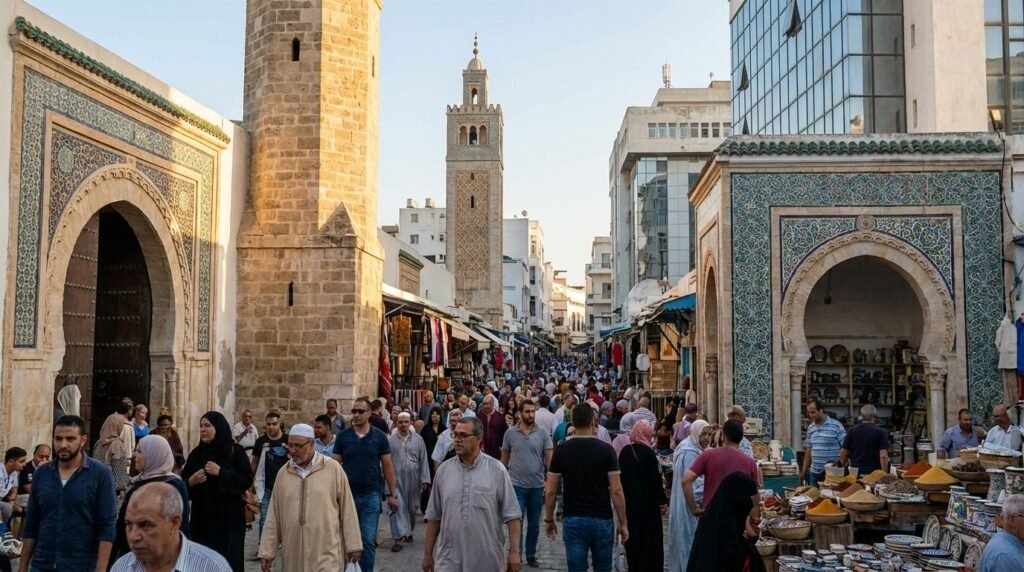
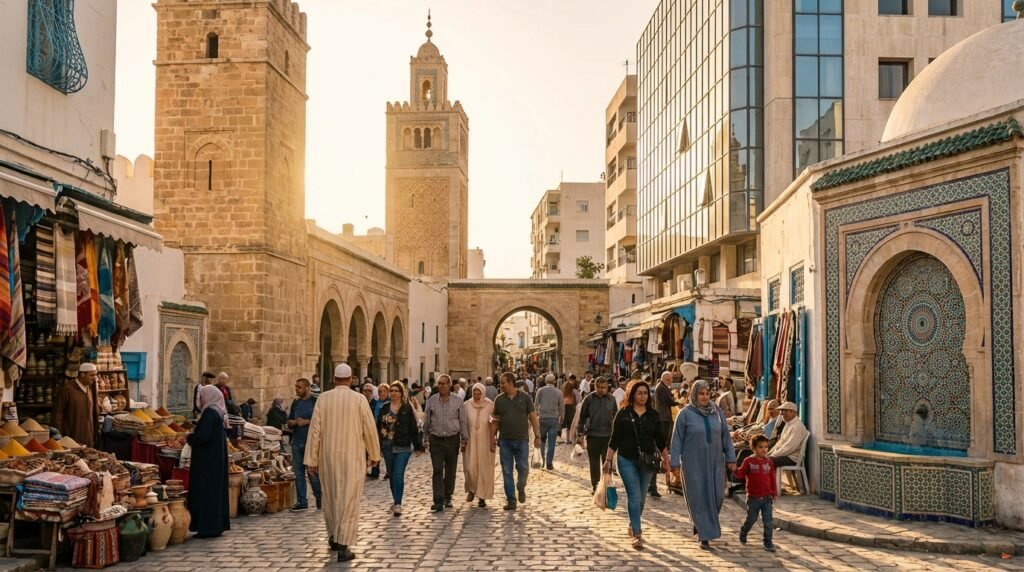
Tunis, the vibrant capital of Tunisia, is a city where ancient civilizations, Islamic heritage, and modern Mediterranean life converge. Nestled between the Gulf of Tunis and the hills of northern Tunisia, it offers visitors an exceptional blend of history, culture, gastronomy, and urban energy. This guide explores the rich past of Tunis, its most emblematic attractions, its culinary delights, and essential practical tips to help you plan an unforgettable trip.
Exploring the Rich History of Tunis
The Founding of Tunis: A Historical Overview
The history of Tunis is deeply intertwined with that of Carthage, the powerful Phoenician city founded in the 9th century BCE a few kilometers away. While Carthage flourished as a maritime and commercial empire, the site of present-day Tunis remained a strategic outpost, valued for its natural harbor and its position at the crossroads of trade routes between Africa, Europe, and the Middle East.
After the fall of Carthage in 146 BCE, the Romans gradually developed the area, integrating it into the province of Africa Proconsularis. However, the true rise of Tunis began under Arab rule. In the 7th century, following the Arab conquest of North Africa, Tunis gained importance as a military and administrative center. By the 9th century, under the Aghlabid and later the Hafsid dynasties, it emerged as a flourishing capital, renowned for its mosques, madrasas, and bustling souks.
During the Ottoman period, starting in the 16th century, Tunis became a key Mediterranean stronghold and a hub for corsair activity. The city’s urban fabric expanded, with palaces, religious complexes, and new quarters shaping its current layout. The French protectorate, established in 1881, introduced European-style boulevards, public buildings, and infrastructure, giving Tunis its dual character: a historic medina alongside a modern, colonial-era city center. This layered history is visible today in its architecture, museums, and cultural life.
Key Historical Landmarks in Tunis
Tunis offers a remarkable concentration of historical landmarks that chronicle its evolution through the centuries. At the heart of the old city stands the Al-Zaytuna Mosque, one of the oldest and most influential mosques in North Africa. Founded in the 8th century, it served not only as a religious center but also as a renowned institution of learning, attracting scholars from across the Islamic world.
Another key site is the Kasbah, the former seat of government located on the western edge of the medina. While much of the original fortress has been transformed over time, the square and surrounding administrative buildings remind visitors of the city’s political significance. Nearby, several madrasas, such as the Madrasa Slimaniya and Madrasa Bir Lahjar, showcase refined Islamic architecture and provide insight into the intellectual heritage of Tunis.
The influence of the French protectorate is visible along Avenue Habib Bourguiba, often compared to the Champs-Élysées of Tunis. Here, early 20th-century buildings, a grand cathedral, and the Municipal Theatre illustrate the city’s modernizing phase. A short journey from the center brings you to the archaeological site of Carthage, an essential excursion for anyone interested in the Punic and Roman past that shaped the region. Together, these sites compose a rich historical tapestry that rewards careful exploration.
Top Attractions to Visit in Tunis
The Bardo National Museum: Treasures of Antiquity
The Bardo National Museum is one of the most significant museums in the Mediterranean world and an absolute must-see when visiting Tunis. Housed in a former 19th-century beylical palace, it combines exquisite architecture with one of the world’s largest collections of Roman mosaics. Each room leads visitors through time, from prehistoric artifacts to Islamic art, offering a comprehensive panorama of Tunisian history.
The highlight of the Bardo is its extraordinary mosaic galleries. You will find intricate floor mosaics from ancient villas, depicting mythological scenes, hunting parties, and everyday life in Roman Africa. One of the most famous pieces portrays the poet Virgil, while others illustrate deities, maritime motifs, and detailed geometric patterns. These works, painstakingly preserved, reveal the sophistication and artistic mastery of the period.
https://www.teepublic.com/t-shirt/50452998-penguin-otter?store_id=2851997
Beyond the mosaics, the museum’s collections include Punic stelae, statues, sarcophagi, ceramics, and jewelry from various civilizations that inhabited Tunisia. Islamic art is represented through finely decorated woodwork, manuscripts, and ceramics. To fully appreciate the Bardo, allocate several hours, ideally with a guided tour or audio guide, which provides context and connects the objects to the broader history of Tunis and the Mediterranean.
The Medina of Tunis: A UNESCO World Heritage Site
The Medina of Tunis, inscribed as a UNESCO World Heritage Site, is the historic heart of the city and a masterpiece of Islamic urban planning. Enclosed by ancient ramparts, it is a labyrinth of narrow alleys, covered passages, bustling souks, and serene courtyards. Walking through the medina allows you to step back in time and experience the atmosphere of a traditional North African city that has evolved, but not lost its soul.
At the center lies the Al-Zaytuna Mosque, from which the medina’s intricate street network radiates. Surrounding it are specialized markets: souks dedicated to textiles, perfumes, jewelry, leather goods, and traditional crafts. These commercial arteries have been active for centuries, and many workshops still employ artisanal techniques passed down through generations. Bargaining is common, but the real charm lies in observing the rhythm of daily life, from merchants arranging their displays to the scent of spices and roasted coffee.
Do not miss the medina’s historic palaces and residences, some of which have been converted into boutique hotels, cultural centers, or museums. Dar Ben Abdallah and Dar Hussein exemplify the refined architecture of the Ottoman and Husainid periods, with carved wooden ceilings, ornate tiles, and elegant inner courtyards. Rooftop terraces offer impressive views over the medina’s sea of domes and minarets, especially at sunset. Exploring slowly, away from the main thoroughfares, often reveals secluded squares, neighborhood mosques, and hidden architectural gems that capture the essence of Tunis.
Chefchaouen Travel Guide: Exploring Morocco’s Vibrant Blue Pearl
Essaouira Travel Guide: Discover the Coastal Gem of Morocco
Marrakech Travel Guide: Discover the Magic of the Red City
Cappadocia Travel Guide: Fairy Chimneys, and Underground Cities
Istanbul Travel Guide: A Journey Through History, Culture, and Modern Life
Ultimate Hvar Island Travel Guide: In Croatia
Ultimate Kotor, Montenegro Travel Guide
Dubrovnik Travel Guide: Explore the Pearl of the Adriatic’s Beauty
Mykonos Travel Guide: Windmills, Whitewashed, and Hidden Gems
Santorini Travel Guide: Top Attractions, Oia & Best Time to Visit
Athens Travel Guide: Top Attractions, Acropolis, & Best Time to Visit
Monaco Travel Guide: Top Attractions & Best Time to Visit
Cannes Travel Guide: Top Attractions and Best Time to Visit
Venice Travel Guide: Top Attractions and Hidden Gems
The Ultimate Florence Travel Guide: Art, History, and Dining
Holiday in London: Travel Guide, and Top Attractions
Culinary Delights: What to Eat in Tunis
Traditional Dishes You Must Try
The cuisine of Tunis is a vibrant expression of Tunisian culture, shaped by Berber traditions, Mediterranean influences, and Arab-Andalusian heritage. It is characterized by bold flavors, aromatic spices, and a balance between hearty dishes and fresh ingredients. Sampling local specialties is an essential part of any visit to the city.
Couscous is undoubtedly the emblematic dish. In Tunis, it is often prepared with fish, lamb, or beef, accompanied by vegetables such as carrots, zucchini, chickpeas, and pumpkin. The semolina is steamed multiple times to achieve a delicate texture, then served with a fragrant broth enriched with harissa and spices. Variations exist from one household to another, making it a dish that invites repeated tastings.
Another staple is brik, a thin pastry sheet (malsouka) filled with egg, tuna, capers, and parsley, then deep-fried until crispy. It is typically enjoyed as a starter, especially during Ramadan, but can be found year-round in many eateries. For a more rustic experience, try lablabi, a comforting chickpea soup flavored with cumin, garlic, olive oil, and harissa, usually poured over stale bread and topped with a poached egg and tuna. Street food lovers should not miss the fricassé, a small fried sandwich filled with tuna, olives, harissa, and potatoes.
Seafood also plays a prominent role in the gastronomy of Tunis, given its proximity to the Mediterranean. Grilled fish, calamari, and prawns are commonly served with salads and spicy sauces. To end on a sweet note, explore traditional pastries such as baklava, makroud filled with dates, or almond-based treats scented with orange blossom. These delicacies pair perfectly with a glass of mint tea or strong Tunisian coffee.
Best Restaurants and Cafes in Tunis
Tunis offers a wide range of dining options, from traditional eateries in the medina to contemporary restaurants and refined establishments in the new town and coastal neighborhoods. Selecting a few representative places can enhance your culinary experience and give you a sense of the city’s gastronomic diversity.
Within the medina, numerous traditional restaurants are housed in restored historic buildings, where you can savor couscous, tajines, and other classics in an authentic setting. Many of these establishments feature central courtyards, intricately tiled walls, and carved wooden doors, creating an atmosphere that complements the cuisine. Advance reservations are recommended for dinner, particularly during weekends and holiday periods.
In the city center and in districts such as La Marsa, Sidi Bou Saïd, and Les Berges du Lac, you will find more contemporary venues offering inventive interpretations of Tunisian dishes, often with international influences. Seafood restaurants along the coast highlight freshly caught fish and refined preparations, while cafes and patisseries serve both local sweets and European-style pastries. Many cafes provide terraces overlooking the sea or lively streets, ideal for observing daily life in Tunis.
For a complete experience, do not hesitate to explore local markets, such as the central market of Tunis, where you can discover fresh produce, spices, olives, cheeses, and cured meats. These markets offer insight into the ingredients that underpin Tunisian cuisine and allow you to interact directly with vendors. Whether you opt for a modest neighborhood eatery or a gastronomic restaurant, the culinary scene in Tunis rewards curiosity and an open palate.
Practical Travel Tips for Visiting Tunis
Best Time to Visit Tunis for Tourists
The climate of Tunis is typically Mediterranean, with hot, dry summers and mild, wetter winters. To make the most of your stay, it is advisable to choose a period that balances pleasant temperatures with manageable tourist traffic. Generally, the most favorable times to visit are spring and autumn.
From April to early June, the weather is warm without being oppressive, and the city’s gardens and surrounding countryside are particularly lush. This period is ideal for exploring the medina, visiting museums, and making excursions to Carthage and the coastal villages, without the intense heat of midsummer. Autumn, from September to early November, offers similar advantages, with sea temperatures still comfortable for swimming along the nearby coastline.
Summer, especially July and August, can be very hot, with temperatures sometimes exceeding 35°C. If you travel during this season, plan your visits in the early morning or late afternoon and allow time for rest during the hottest hours of the day. Winter is generally mild, but rainfall is more frequent, and some outdoor activities may be less enjoyable. However, this season can suit travelers seeking fewer crowds and lower accommodation prices.
Transportation Options in Tunis: Getting Around Easily
Tunis has a relatively well-developed transport network that makes it easier for visitors to move around the city and its surroundings. Understanding the different options will help you navigate efficiently and optimize your itinerary.
The light rail system (Métro Léger) connects the city center with several residential and commercial districts, including the Bardo area. It is an economical and practical way to travel, especially during peak hours when road traffic can be heavy. Tickets are inexpensive, and trains run frequently during the day. The system is straightforward to use, even for first-time visitors.
For trips to coastal suburbs such as La Goulette, Carthage, and La Marsa, the TGM (Tunis–Goulette–Marsa) train is particularly useful. This historic railway follows the coastline, providing pleasant views of the Gulf of Tunis and easy access to archaeological sites and seaside neighborhoods. It is a popular option for both residents and tourists.
Taxis are widely available and remain one of the most convenient means of transport within Tunis. Official taxis are metered; ensure that the driver activates the meter at the start of the journey. Fares are generally reasonable, but it is advisable to have small denominations of local currency on hand. For greater flexibility, especially in the evening or for trips outside the city center, you may also consider using reputable ride-hailing services where available.
Although walking is an excellent way to discover the medina and the central avenues, navigating on foot across larger distances can be challenging due to traffic and urban sprawl. Renting a car is possible, but is recommended only for travelers accustomed to driving in dense urban environments. Parking can be difficult in certain areas, and local driving habits may surprise visitors. For most travelers, a combination of public transport, taxis, and walking offers the best balance of comfort and efficiency.
By taking into account the city’s climate, peak tourist periods, and transport options, you can plan a trip to Tunis that is both enriching and comfortable. With thoughtful preparation, you will be able to focus on what truly matters: discovering the city’s history, savoring its cuisine, and experiencing its vibrant contemporary culture.
In conclusion, Tunis is far more than a gateway to Tunisia; it is a destination in its own right, where millennia of history coexist with a dynamic present. From the mosaics of the Bardo Museum and the alleys of the UNESCO-listed medina to the flavors of traditional dishes and the panoramic views of the Gulf, the city offers a wealth of experiences for curious travelers. By exploring its heritage sites, sampling its cuisine, and navigating its neighborhoods with an informed perspective, you will gain a deeper appreciation of Tunis as a cultural and historical crossroads of the Mediterranean.