
Discover the rich history, delicious recipes, and global variations of hamburgers. Learn how to craft the perfect burger and explore healthier, low-calorie options for a satisfying meal.
Introduction to Hamburgers
The hamburger is one of the most recognizable foods in the world, transcending borders, cultures, and culinary traditions. From street-side stalls to Michelin-starred restaurants, this seemingly simple combination of a patty and a bun has evolved into a versatile canvas for creativity. Understanding the history of hamburgers, how to build the ideal patty, and the many international adaptations offers valuable insight into why this dish remains a global favorite—and how you can master your own perfect burger recipe at home.
The History of the Hamburger
The story of the hamburger begins long before the first fast-food chain. Its roots trace back to the port city of Hamburg, Germany, in the 19th century, where minced beef steaks—often called Hamburg steaks—were popular among sailors and merchants. These early preparations, seasoned and sometimes smoked, laid the foundation for what would become the modern burger.
As German immigrants arrived in the United States, they brought their Hamburg-style beef with them. By the late 1800s and early 1900s, cooks began serving seasoned ground beef patties between slices of bread, creating a portable, affordable meal suited to industrial workers and fairgoers. Several American vendors claim credit for the “first” hamburger, but what matters more than a single inventor is the convergence of trends: inexpensive beef, rising street-food culture, and the growing demand for quick meals.
In the 20th century, the hamburger was transformed yet again by the rise of fast-food chains. Standardized portions, consistent flavor profiles, and aggressive marketing campaigns turned the burger into an icon of American culture. Over time, chefs and home cooks pushed back against mass-produced versions, developing gourmet patties, artisanal buns, and sophisticated popular burger toppings to reassert the burger as a serious culinary item. Today, the hamburger sits comfortably at the intersection of tradition, nostalgia, and innovation.
Why Hamburgers Are Popular Worldwide
Hamburgers have achieved global popularity for several reasons. First, they are inherently adaptable. A basic formula—a patty, a bun, and toppings—invites endless variation in flavor, texture, and presentation. This flexibility allows different cultures to infuse local ingredients and techniques into a familiar format, leading to a broad range of international burger variations.
Second, hamburgers are convenient. They are easy to eat on the go, simple to portion, and relatively quick to prepare, making them an ideal choice for busy lifestyles and large-scale service. From food trucks to corporate cafeterias, the burger’s portability and straightforward preparation remain key advantages.
Finally, hamburgers evoke comfort and familiarity. For many, they are tied to childhood, backyard grilling, or social gatherings. This emotional connection, combined with the ability to customize each element—from bun and patty to sauce and garnish—ensures that burgers continue to resonate with diners across age groups and regions. Their global spread is not merely a product of fast-food expansion, but also a reflection of the burger’s remarkable cultural and culinary versatility.
Crafting the Perfect Hamburger
Creating an exceptional burger requires more than simply grilling ground beef. To achieve a truly perfect burger recipe, each component—from the meat blend to the cooking method—must be considered deliberately. The balance of fat and lean, the choice of bun, the layering of toppings, and the final cooking technique all contribute to flavor, juiciness, and structure.
Essential Ingredients for a Delicious Burger
At the heart of any great burger is the patty. For classic beef burgers, an 80/20 ratio of lean meat to fat is ideal, as it delivers both flavor and moisture. Common blends include chuck for richness, brisket for depth, and short rib for a luxurious texture. Grinding meat fresh, when possible, allows for better control over texture and cleanliness, and it often produces a more succulent result.
The bun is just as important. A lightly toasted brioche bun offers a subtle sweetness and soft crumb, while potato and sesame-seed buns provide sturdiness without overwhelming the patty. Whichever style you choose, it must be substantial enough to hold the burger and its fillings while remaining tender. A good bun-to-patty ratio prevents the burger from feeling either too bready or overly dense.
Toppings and condiments complete the experience. Classic choices—cheddar or American cheese, crisp lettuce, ripe tomato, pickles, and onions—remain popular for a reason: they add contrast and freshness. More elaborate options, such as caramelized onions, smoked bacon, specialty cheeses, and house-made sauces, can elevate the flavor profile but should still respect the central role of the patty. Thoughtful selection of nutritious burger ingredients like leafy greens, grilled vegetables, or avocado can also improve both taste and nutritional value.
Cooking Techniques for the Best Burger Experience
Different cooking techniques for burgers yield distinct textures and flavors. Grilling over high heat imparts a smoky, charred exterior that many associate with backyard barbecues. Cast-iron pan searing, by contrast, produces an even crust and allows for precise control over cooking temperature. For those aiming for an especially intense Maillard reaction, the “smash burger” method—pressing a thin patty onto a hot griddle—creates a deeply caramelized crust with a juicy center.
Regardless of method, patty handling is crucial. Overworking the meat can lead to a dense, tough burger. Gently form the patty, making it slightly wider than the bun to account for shrinkage during cooking. For thicker patties, creating a shallow indentation in the center helps them cook evenly and reduces bulging.
https://www.teepublic.com/t-shirt/50453003-hedgehog?store_id=2851997
Temperature control is another critical factor. For beef, many chefs favor medium to medium-rare for optimal juiciness, provided food safety considerations are respected. Allowing the patty to rest briefly after cooking helps redistribute juices. Finally, assemble the burger strategically: place moisture-resistant ingredients like cheese or lettuce between the patty and more delicate components to avoid a soggy bun. The result is a well-structured burger with harmonious flavors and textures.
Hamburger Variations Around the World
Although the hamburger is often associated with American cuisine, it has been embraced and reimagined by cultures around the globe. From classic drive-in style burgers to inventive street-food interpretations, American hamburger styles and their international counterparts demonstrate how a single concept can support remarkable diversity.
American Classics and Regional Twists
Within the United States, regional variations highlight different preferences and traditions. The quintessential diner burger typically features a thin beef patty, American cheese, lettuce, tomato, onion, pickles, and a soft bun. Fast-food chains popularized this style, making it instantly recognizable worldwide.
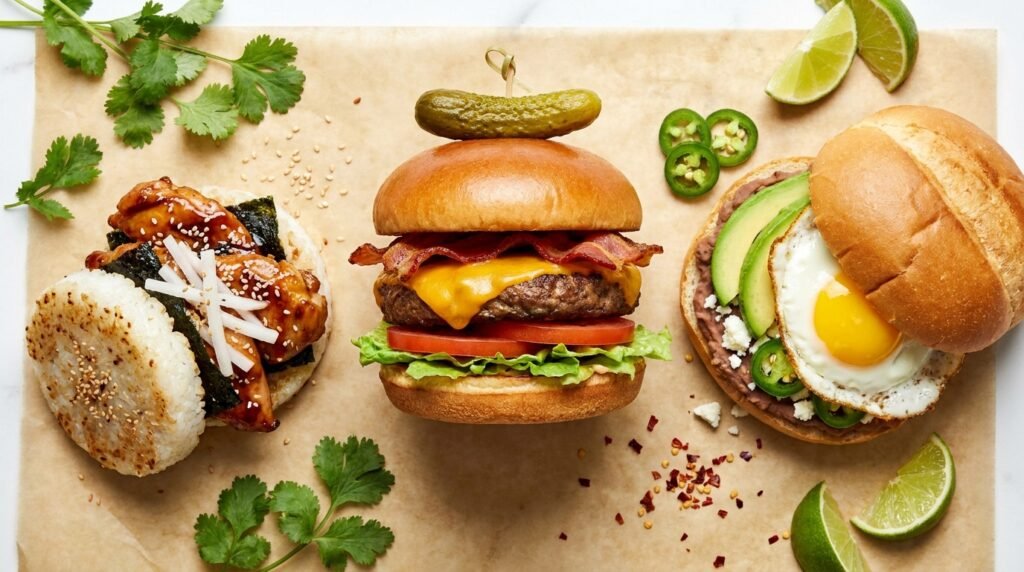
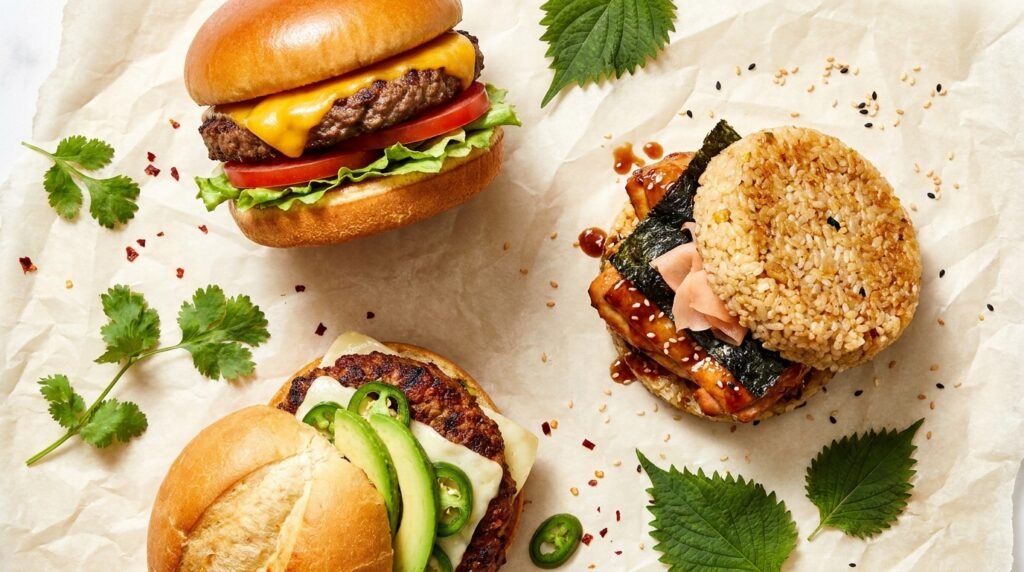
In California, avocado, pepper jack cheese, and fresh produce often define local burgers, reflecting the state’s agricultural bounty and health-conscious culture. The “Animal Style” burger, made famous by certain West Coast chains, layers grilled onions, extra sauce, and mustard-cooked patties for additional richness.
The South contributes its own interpretations. In Oklahoma, onion burgers combine beef and thinly sliced onions smashed together on a griddle, resulting in sweet, caramelized edges. In the Carolinas, chili, slaw, and mustard-based sauces appear as characteristic toppings. Meanwhile, the Midwest offers Juicy Lucy–style burgers, where cheese is sealed inside the patty, creating a molten core. These diverse American hamburger styles illustrate how regional ingredients and preferences shape the burger’s identity.
International Burger Styles You Must Try
Around the world, chefs and home cooks have developed distinctive burger preparations that blend local flavors with the familiar format. In Japan, for example, burgers may be glazed with teriyaki sauce and topped with crisp lettuce and mayonnaise, or even served with rice “buns.” These versions emphasize umami-forward sauces and refined presentation.
In Mexico, burgers—often called “hamburguesas”—frequently include jalapeños, grilled onions, ham, and a variety of cheeses. The flavors are bold, and the toppings generous, reflecting the country’s street-food sensibilities. In the Middle East, lamb burgers seasoned with cumin, coriander, and fresh herbs echo the region’s spice traditions, often accompanied by yogurt-based sauces, pickled vegetables, or flatbread in place of a conventional bun.
European interpretations are equally varied. In France, burgers may feature high-quality beef, aged cheeses, and artisanal buns, leaning into bistro-style elegance. Scandinavian versions might incorporate rye buns, pickled components, or smoked elements. Across Asia, fusion burgers incorporate kimchi, gochujang, peanut sauces, or curry spices, each applying local culinary vocabulary to the burger format. These international burger variations highlight the burger’s ability to adapt without losing its core identity.
Pad Thai: The Ultimate Guide to Thailand’s National Noodle Dish
The Ultimate Chili Con Carne Guide: History & Recipes Tips
The Ultimate Nacho Guide: History, Classic Recipes, and Pro Tips for Perfect Layers
Healthier Hamburger Options
While hamburgers are often associated with indulgence, they can easily be reimagined to align with modern nutritional goals. Thoughtful choices in protein, toppings, and cooking methods can yield healthier burger options that retain flavor and satisfaction. With a few strategic adjustments, it is possible to enjoy burgers regularly without compromising overall dietary balance.
Nutritious Ingredients and Substitutes
A key step toward a healthier burger is rethinking the patty. Leaner cuts of beef, turkey, or chicken can significantly reduce saturated fat while still offering robust flavor, especially when combined with herbs and spices. For plant-focused diets, black bean, lentil, chickpea, or quinoa-based patties provide fiber, protein, and micronutrients. These alternatives, properly seasoned, can be as satisfying as traditional meat patties.
Choosing whole-grain or seeded buns increases fiber intake and supports better satiety. In some cases, lettuce wraps, portobello mushroom caps, or sweet potato “buns” offer innovative replacements that lower refined carbohydrate content. These approaches are particularly valuable for those seeking low-calorie hamburgers without sacrificing texture or structural integrity.
Toppings present another opportunity for nutritional enhancement. Instead of relying solely on processed cheese and heavy sauces, incorporate a generous layer of vegetables: leafy greens, tomatoes, onions, cucumbers, grilled peppers, or even fermented toppings like sauerkraut or kimchi. Avocado provides healthy fats, while modest portions of strong-flavored cheeses allow you to use less without losing impact. By emphasizing nutritious burger ingredients, each layer contributes more than just flavor—it supports overall health.
Tips for Making Low-Calorie Burgers
Designing genuinely lighter burgers requires attention to both ingredients and technique. Start by scaling patty size appropriately; a well-seasoned, slightly smaller patty can be just as satisfying, especially when accompanied by substantial vegetable toppings. Opt for lean proteins or plant-based patties and cook them using methods that limit added fat, such as grilling, broiling, or air frying.
Be strategic with condiments. Many sauces contain significant hidden calories and sugars. Using mustard, salsa, yogurt-based dressings, or carefully portioned homemade sauces can keep flavor high and calories low. Replacing heavy mayonnaise with Greek yogurt blends, or using a small amount of robust sauce, preserves richness without excess.
Finally, consider the overall meal context. Serving burgers with a side salad, grilled vegetables, or baked sweet potato wedges instead of deep-fried sides can dramatically change the nutritional profile. These adjustments create low-calorie hamburgers that still feel complete and indulgent. By integrating these practices into your cooking routine, you can enjoy burgers more often as part of a balanced lifestyle.
Conclusion
The hamburger has traveled a remarkable journey—from humble Hamburg-style minced beef to a global culinary staple. Its enduring appeal lies in its adaptability: it can be rustic or refined, traditional or experimental, indulgent or health-conscious. By understanding the history of hamburgers, selecting quality components, and applying sound cooking techniques for burgers, anyone can craft a burger that reflects personal taste and nutritional priorities.
Whether you prefer classic American hamburger styles, adventurous international burger variations, or carefully designed healthier burger options, the burger remains a versatile platform for creativity. With thoughtful choices and a deliberate approach, each burger you prepare can offer both pleasure and nourishment—proof that even the most familiar dishes still hold immense potential for refinement and discovery.