
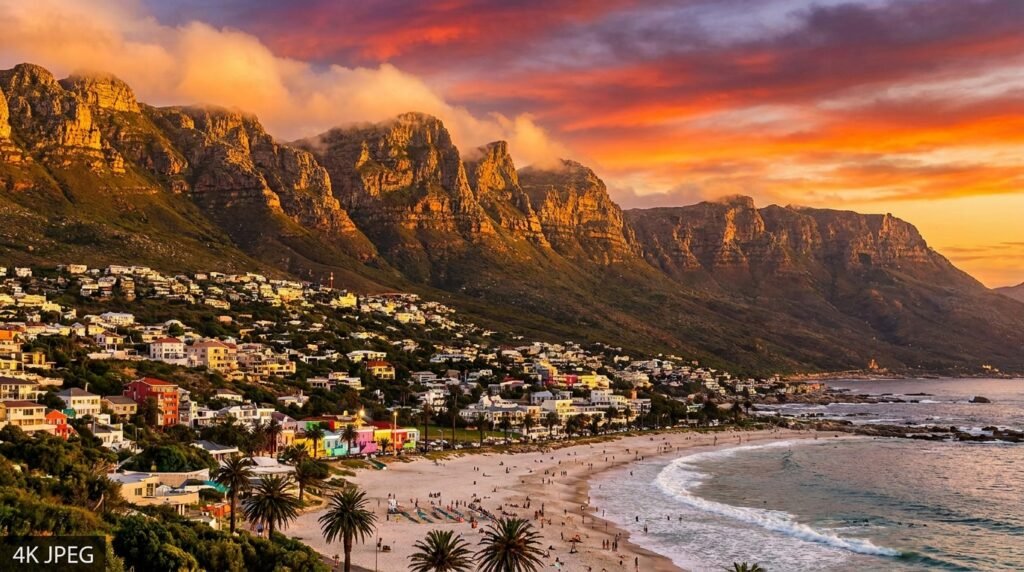
Cape Town consistently captivates visitors with its dramatic scenery, layered history, and vibrant cultural scene. Positioned between mountains and sea, the city offers a rare combination of natural beauty, cosmopolitan energy, and rich heritage. This comprehensive guide explores Cape Town’s past, geography, top attractions, unforgettable experiences, and its thriving dining and nightlife scene, helping you plan a memorable and well-informed visit.
Discovering Cape Town: A Comprehensive Guide
Overview of Cape Town’s History
Cape Town’s history is complex, shaped by trade, colonisation, resistance, and renewal. Originally inhabited by the Khoisan peoples, the Cape region served as an important area for pastoralism and trade long before European arrival. In 1652, the Dutch East India Company established a refreshment station at the Cape of Good Hope, laying the foundations of what would become Cape Town. This outpost grew into a significant colonial settlement, drawing enslaved people from Africa and Asia, and deeply influencing the city’s demographic and cultural fabric.
In the 19th century, Cape Town came under British control, which ushered in new administrative structures, urban development, and social stratification. Racial segregation, initiated under colonial rule, was later institutionalised under apartheid in the 20th century. Forced removals, such as those in District Six, left enduring scars on the urban landscape and on communities displaced from their homes.
The late 20th century brought dramatic change as resistance movements intensified and apartheid was dismantled. Cape Town played a central role in South Africa’s democratic transition: Robben Island, just off its coast, imprisoned many political activists, including Nelson Mandela. Today, Cape Town embraces its role as a city of reconciliation and creativity, with museums, memorials, and community initiatives that confront its past while fostering a more inclusive future.
Geographic Features and Climate
Cape Town occupies a uniquely picturesque setting on the southwestern tip of Africa, where the Atlantic Ocean meets striking mountain ranges. Dominated by the iconic Table Mountain, the city unfolds along a rugged coastline punctuated by white-sand beaches, cliffs, and sheltered bays. The Cape Peninsula extends southwards, leading to Cape Point, where dramatic sea vistas and windswept landscapes showcase the region’s untamed beauty.
The city experiences a Mediterranean climate with warm, dry summers and mild, wet winters. From November to March, long sunny days invite outdoor pursuits, although the strong south-easterly wind—known locally as the “Cape Doctor”—often shapes daily weather patterns. Winter, spanning June to August, brings cooler temperatures, rainfall, and lush greenery across the mountain slopes and winelands.
Microclimates are common. The Atlantic Seaboard can feel breezy and fresh, while the False Bay side is often slightly warmer. Cooler ocean currents produce invigorating sea temperatures, especially on the Atlantic coast, while beaches along False Bay tend to be more temperate. These varied conditions mean visitors can often find suitable weather for hiking, wine tasting, or cultural excursions somewhere in the greater Cape Town area on any given day.
Top Attractions in Cape Town
Table Mountain: A Natural Wonder
Table Mountain, with its distinctive flat summit, is Cape Town’s most recognisable landmark and a major draw for travellers worldwide. Part of Table Mountain National Park, it forms the backdrop to the city and offers exceptional viewpoints over the metropolitan area, the Atlantic Ocean, and the distant mountains of the winelands. The mountain hosts a remarkable diversity of flora, particularly the endemic fynbos vegetation that characterises the Cape Floristic Region, a UNESCO World Heritage Site.
There are two principal ways to reach the summit: by hiking or via the Table Mountain Aerial Cableway. The cableway provides a swift ascent and rotating cabins ensure panoramic views throughout the journey. For those seeking a more immersive experience, well-marked hiking routes of varying difficulty wind up the slopes. Popular trails such as Platteklip Gorge offer a direct, steep climb, while more scenic routes traverse ridges and valleys, revealing ever-changing perspectives.
At the top, a network of pathways leads to multiple viewing platforms. On clear days, visitors can see as far as Robben Island, the Twelve Apostles mountain range, and the Cape Flats. Information boards, guided walks, and a visitor centre enhance the experience by providing insight into the mountain’s geology, biodiversity, and cultural significance. Because weather can change rapidly, checking conditions before ascending is essential for both comfort and safety.
The V&A Waterfront: Shopping and Entertainment Hub
The Victoria & Alfred Waterfront, built around a historic harbour, is one of Cape Town’s most lively and accessible attractions. This mixed-use development seamlessly blends maritime heritage with modern amenities, offering an expansive selection of shops, restaurants, hotels, and cultural venues. Restored warehouses and docklands sit alongside contemporary architectural additions, preserving the area’s industrial character while accommodating a sophisticated urban environment.
Visitors can explore a wide range of retail options, from international fashion brands to independent boutiques showcasing South African design, jewellery, and crafts. The Watershed, in particular, is renowned for its curated selection of locally produced art, decor, and artisanal goods, ideal for distinctive souvenirs. Along the quays, street performers, live music, and public art installations create a dynamic atmosphere throughout the day and into the evening.
The V&A Waterfront also serves as a cultural and entertainment hub. The Zeitz Museum of Contemporary Art Africa (MOCAA), housed in a striking converted grain silo, presents one of the most significant collections of African contemporary art in the world. Family-friendly attractions, harbour cruises, and the departure point for ferries to Robben Island further cement the Waterfront’s role as a central starting point for exploring Cape Town’s broader attractions.
Best Activities and Experiences
Adventure Sports: Hiking, Surfing, and More
Cape Town is a premier destination for outdoor enthusiasts, offering a wealth of adventure sports set against spectacular natural scenery. Hiking is among the most accessible activities, with trails ranging from leisurely walks to demanding ascents. Beyond Table Mountain, the Lion’s Head trail offers a relatively short yet rewarding climb, particularly popular for sunrise and sunset excursions. Further afield, the Cape Point and Silvermine sections of Table Mountain National Park provide quieter paths, coastal panoramas, and diverse wildlife.
The city’s coastline is equally inviting for water-based pursuits. Surfing conditions vary by beach, allowing both beginners and experienced surfers to find suitable breaks. Muizenberg, on the False Bay side, is well known for its gentle waves and surf schools, making it an excellent choice for newcomers. More advanced surfers often seek out the powerful waves along the Atlantic coast, including spots near Kommetjie and Noordhoek, which offer more challenging conditions.
Beyond hiking and surfing, the region supports a range of other adventurous activities. Paragliding from Signal Hill or Lion’s Head offers a bird’s-eye view of the city, while sea kayaking tours along the coast provide opportunities to encounter marine life such as dolphins, seals, and occasionally whales in season. Mountain biking trails weave through forests and vineyards, and for those seeking adrenaline, shark cage diving day trips depart from nearby coastal towns. With reputable operators and safety-conscious guides, visitors can engage confidently in these experiences while respecting local environmental guidelines.
Cultural Experiences: Museums and Art Galleries
Cape Town’s cultural layer is as compelling as its natural splendour, with museums and galleries that illuminate the region’s history, creativity, and social diversity. The District Six Museum, located in the former inner-city neighbourhood of the same name, documents the forced removals that took place under apartheid. Through personal testimonies, photographs, and artefacts, the museum offers a poignant window into the city’s past and encourages visitors to reflect on displacement, memory, and justice.
Robben Island Museum, accessible via ferry from the V&A Waterfront, provides another essential historical experience. Guided by former political prisoners in many cases, tours traverse the prison complex where Nelson Mandela and other activists were incarcerated. The narratives shared on-site highlight both the harsh realities of apartheid and the resilience of those who opposed it, making a visit to Robben Island a deeply moving and educational component of any Cape Town itinerary.
For those interested in visual arts, Cape Town offers a thriving gallery scene. Zeitz MOCAA showcases contemporary works by artists from across the African continent and its diaspora, set within dramatic exhibition spaces. The Norval Foundation, situated in the Constantiaberg area, combines an art museum with sculpture gardens and mountain views. Numerous smaller galleries in the CBD and Woodstock, such as those along the First Thursdays route, present cutting-edge local art and design. Together, these institutions reveal the city’s role as a significant hub for African creative expression.
Dining and Nightlife in Cape Town
Best Restaurants to Savor Local Cuisine
Cape Town’s culinary scene reflects its multicultural heritage and proximity to abundant fresh produce, seafood, and wine. Local cuisine weaves together influences from indigenous communities, Cape Malay traditions, Dutch and British settlers, and more recent global trends. As a result, the city offers both refined fine dining and authentic, homestyle meals that showcase regional flavours.
In neighbourhoods such as the Bo-Kaap, visitors can sample Cape Malay dishes renowned for their fragrant spices and subtle sweetness. Classics include bredie, bobotie, and aromatic curries, often served with sambals and traditional breads. Along the coast, seafood restaurants highlight line-caught fish, calamari, and west coast mussels, frequently paired with South African white wines from nearby vineyards.
The city also boasts an array of contemporary bistros and tasting-menu venues that reinterpret local ingredients with modern techniques. In the central city, Woodstock, and the southern suburbs, chefs champion seasonal, sustainably sourced produce, often working directly with small-scale farmers and fishers. For a broader gastronomic experience, day trips to the Cape Winelands—Stellenbosch, Franschhoek, and Constantia—allow visitors to combine wine tastings with gourmet lunches amid vineyard landscapes, rounding out Cape Town’s appeal as a leading food destination.
https://www.teepublic.com/t-shirt/50453000-puppy-and-kitten?store_id=2851997
Nightlife Hotspots: Bars and Clubs to Visit
When evening falls, Cape Town’s nightlife comes alive in a variety of districts, each with its own character. Long Street in the city centre is one of the most recognisable nightlife corridors, lined with bars, lounges, live music venues, and late-night eateries. Historic buildings with balconies overlook the street, giving the area an energetic, urban ambiance that appeals to a diverse crowd of locals and visitors.
For a more sophisticated atmosphere, the V&A Waterfront and surrounding areas host stylish cocktail bars, wine lounges, and hotel rooftops with panoramic views of the harbour and Table Mountain. These venues often feature curated drink menus, local craft gins, and South African wines, creating a more relaxed environment for conversation and sunset watching. Many establishments also host jazz performances and acoustic sets, adding a cultural dimension to an evening out.
In addition, neighbourhoods like Camps Bay and Green Point provide beachfront bars and upscale clubs that attract those seeking a glamorous night out. Beachfront promenades become social hubs in the warmer months, with venues spilling onto terraces and pavements. Whether you prefer a quiet wine bar, a lively dance floor, or a venue showcasing live local music, Cape Town’s nocturnal offerings are varied enough to satisfy most tastes while maintaining a distinctly South African sense of place.
In conclusion, Cape Town is a city where natural splendour, historical depth, and contemporary creativity intersect in compelling ways. Its dramatic geography and Mediterranean climate create ideal conditions for outdoor adventures, from hiking and surfing to coastal explorations. At the same time, museums, galleries, and heritage sites ensure that visitors can engage meaningfully with the city’s complex past and dynamic present. A flourishing dining scene, complemented by a diverse nightlife, further enriches the experience. Whether you are drawn by the allure of Table Mountain, the resonance of Robben Island, or the flavours of local cuisine, Cape Town offers a multifaceted journey that lingers long after your visit ends.
Luxor: A Journey Through the World’s Greatest Open-Air Museum
Tunis Travel Guide: Discover the Mosaics, Medina, and Modern Tunisia
Cairo Travel Guide: From Ancient Pyramids to Vibrant Modern Culture
Chefchaouen Travel Guide: Exploring Morocco’s Vibrant Blue Pearl
Essaouira Travel Guide: Discover the Coastal Gem of Morocco
My Puzzle