
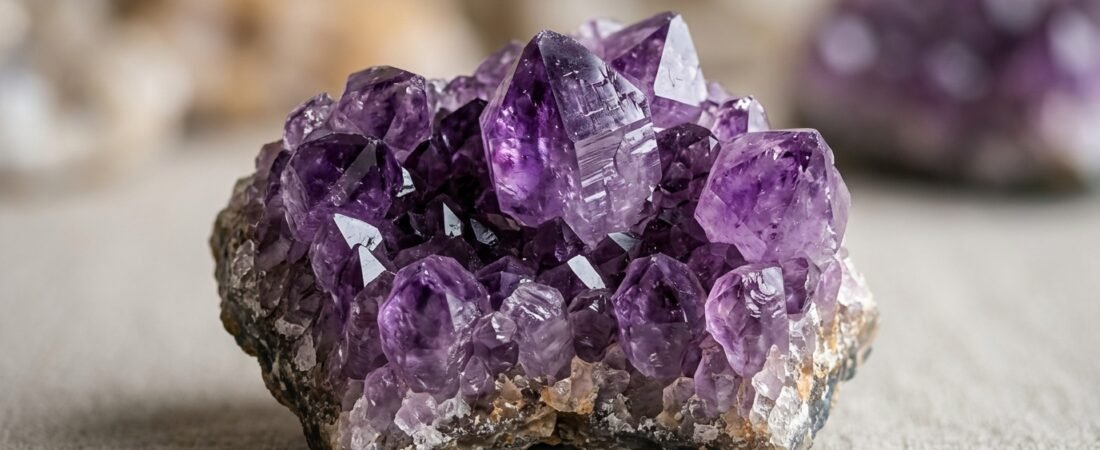
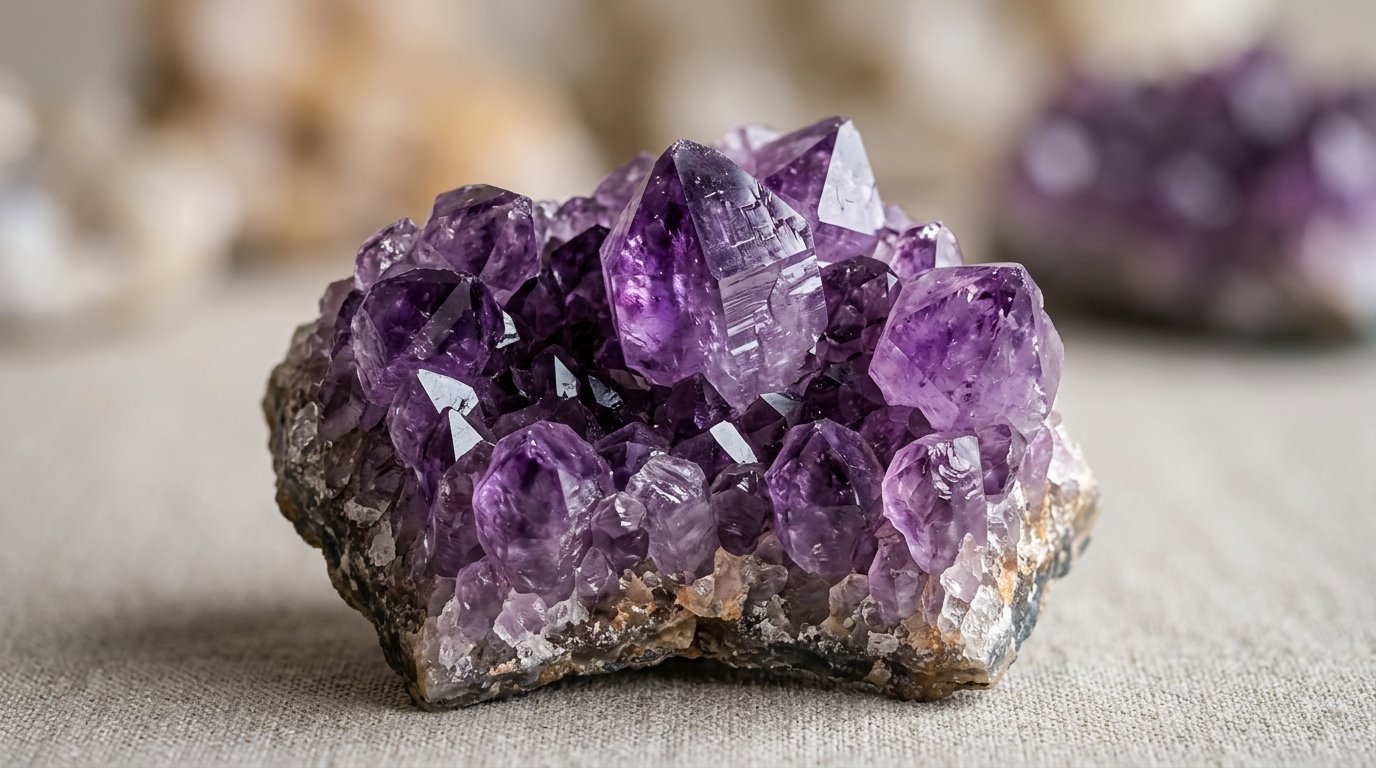
Few gemstones carry the same enduring allure as amethyst. With its rich violet hues ranging from pale lavender to deep royal purple, this crystal has captivated civilizations for thousands of years — not merely for its beauty, but for the profound significance attributed to it. Today, amethyst remains one of the most sought-after stones in both the world of crystal healing and fine jewelry. Whether you are drawn to it aesthetically, spiritually, or therapeutically, understanding what amethyst offers can transform the way you engage with it.
What Is Amethyst and What Does It Mean?
The Origin and History of Amethyst
Amethyst is a violet variety of quartz, its distinctive color produced by iron impurities and natural irradiation within the crystal’s structure. It belongs to the hexagonal crystal system and registers a 7 on the Mohs hardness scale, making it both durable and versatile. The finest specimens are typically found in Brazil, Uruguay, Zambia, and parts of Russia, though deposits exist across multiple continents.
The stone’s history stretches back to ancient Egypt, where it was carved into amulets and used as a protective talisman. The ancient Greeks and Romans held it in particularly high regard, associating it with the god Dionysus and believing it could prevent intoxication. This belief is reflected in the stone’s name, derived from the Greek word amethystos, meaning “not drunk” or “sober.” Wealthy citizens would fashion drinking vessels from amethyst or wear it during feasts, convinced it shielded them from the effects of wine.
Throughout the Middle Ages, amethyst was reserved almost exclusively for royalty and the clergy. Its deep purple color — historically associated with power, wisdom, and spiritual authority — made it a staple in royal crowns and ecclesiastical rings. It was only after the discovery of large deposits in South America during the 18th century that amethyst became more widely accessible, though its prestige never diminished.
Symbolic Meaning and Spiritual Significance of Amethyst
The amethyst crystal meaning extends far beyond aesthetics. Across cultures and centuries, it has consistently symbolized clarity of mind, spiritual protection, and inner peace. In many traditions, it is considered a stone of transformation — one that facilitates the transition from ordinary awareness to heightened consciousness.
Spiritually, amethyst is associated with the divine and the transcendent. Many practitioners view it as a bridge between the earthly and the spiritual realms, making it a favored stone for meditation and contemplative practice. Its purple coloration links it symbolically to the crown chakra, the energy center governing spiritual connection, intuition, and enlightenment.
In the context of modern crystal work, amethyst spiritual meaning encompasses themes of wisdom, sobriety of thought, and emotional equilibrium. It is frequently used as a stone of protection — believed to create a shield against negative energies, psychic intrusion, and environmental stress. For those navigating grief, anxiety, or major life transitions, amethyst is often recommended as a grounding companion that encourages inner stillness without emotional numbness.
Amethyst Healing Properties and Benefits
Physical and Emotional Healing Benefits
The amethyst healing properties attributed by crystal practitioners are both wide-ranging and deeply rooted in tradition. On a physical level, amethyst has long been associated with supporting the nervous system, improving sleep quality, and alleviating tension headaches. Placing an amethyst cluster in a bedroom or holding a tumbled stone before sleep is a common recommendation for those struggling with insomnia or restless nights.
Its purported benefits also extend to the immune and endocrine systems. Some holistic practitioners suggest that amethyst supports hormonal balance and aids in detoxification processes, though it is important to emphasize that these claims reflect energetic traditions rather than clinical medical evidence. Crystal healing should always complement, not replace, professional medical care.
Emotionally, amethyst benefits are perhaps most recognized. The stone is widely regarded as a powerful antidote to anxiety, stress, and emotional overwhelm. Its calming energy is said to quiet the mental chatter that so often accompanies worry, creating space for clarity and rational thought. For individuals prone to reactive emotional responses or addictive patterns — a connection that loops back to its ancient association with sobriety — amethyst is thought to encourage greater self-awareness and discipline.
Grief, anger, and deep-seated fear are also areas where amethyst is frequently employed. Its soothing vibration is believed to gently dissolve emotional blockages, allowing suppressed feelings to surface and be processed with greater ease. Many users report a sense of calm reassurance when working with the stone during emotionally turbulent periods.
Metaphysical and Chakra Healing Properties
Within the framework of energy medicine and metaphysical practice, amethyst crystal properties are intimately connected to two primary chakras: the third eye and the crown.
The third eye chakra, located at the center of the forehead, governs intuition, perception, and the ability to see beyond the surface of things. Amethyst is considered one of the most effective stones for activating and balancing this energy center, enhancing psychic sensitivity, dream recall, and imaginative vision. Those who practice clairvoyance, lucid dreaming, or deep meditation often work with amethyst to sharpen their inner sight.
The crown chakra, situated at the top of the head, represents the highest point of spiritual development — one’s connection to universal consciousness and divine intelligence. Amethyst chakra healing at this level is concerned with dissolving egoic attachments, expanding awareness, and facilitating states of transcendence. When this chakra is in balance, individuals often experience a profound sense of peace, purpose, and spiritual clarity.
Beyond chakra work, amethyst is also used in aura cleansing, space clearing, and energy protection. Its high vibration is said to transmute lower frequencies into higher ones, making it a valuable tool for anyone working in emotionally demanding environments or seeking to maintain energetic boundaries.
How to Use Amethyst in Your Daily Life
Ways to Wear and Carry Amethyst
One of the most immediate and accessible ways to engage with amethyst is through wearable forms. Amethyst jewelry — rings, pendants, bracelets, and earrings — allows for sustained contact with the stone throughout the day, enabling a continuous energetic exchange. Wearing amethyst close to the head, such as in earrings or a pendant near the throat and chest, is thought to amplify its effects on the mind and upper chakras.
Carrying a tumbled amethyst in your pocket or bag is equally effective for those who prefer a subtler approach. The stone’s presence serves as a tactile reminder to pause, breathe, and return to center during stressful moments. Many people find it beneficial to hold their amethyst during brief mindfulness breaks, using the physical sensation of the stone as an anchor for their attention.
Intention-setting is a meaningful part of working with amethyst crystal. Before wearing or carrying it, take a moment to hold the stone in your hands, close your eyes, and articulate — mentally or aloud — the specific quality you wish to cultivate. Whether that is calm, clarity, protection, or creative inspiration, stating an intention infuses your interaction with the stone with purpose and direction.
How to Place Amethyst in Your Home or Workspace
Understanding what amethyst is used for extends naturally into the realm of intentional placement. In the home, amethyst clusters or geodes are particularly popular because of their ability to radiate energy outward in multiple directions, effectively influencing the energy of an entire room. Placing a large cluster in a living room or communal space can help create an atmosphere of calm and harmonious interaction.
The bedroom is another ideal location. A small amethyst point or tumbled stone on the nightstand can support restful sleep, encourage vivid and meaningful dreams, and offer a gentle protective influence during the night. Some practitioners recommend placing amethyst under the pillow, though this can be disruptive for lighter sleepers and is ultimately a matter of personal preference.
In a workspace, amethyst helps mitigate the mental fatigue and tension that often accompany prolonged concentration. Positioned on a desk — particularly near a computer where electromagnetic stress may accumulate — it is said to support focused thinking, reduce irritability, and maintain a more balanced energetic field. For creative professionals, a piece of amethyst nearby may help bridge rational analysis and imaginative flow.
Those familiar with feng shui principles often place amethyst in the wealth corner of the home (the far left corner from the entrance) or in the knowledge and self-cultivation corner, recognizing the stone’s associations with both spiritual abundance and intellectual development.
How to Cleanse, Charge, and Care for Your Amethyst
Best Methods for Cleansing and Charging Amethyst
Knowing how to cleanse amethyst is essential for maintaining its energetic vitality. Like all crystals used for healing and energetic work, amethyst can absorb the emotional and environmental frequencies it encounters. Regular cleansing removes accumulated energies and restores the stone to its natural, receptive state.
Several methods are well-suited to amethyst:
- Moonlight: Placing amethyst under the light of a full moon overnight is one of the gentlest and most effective cleansing methods. The lunar energy both purifies and recharges the stone without risk of damage.
- Smoke cleansing: Passing amethyst through the smoke of sacred herbs such as white sage, cedar, or palo santo is a widely practiced method for clearing stagnant energy quickly and effectively.
- Sound: Using a singing bowl, tuning fork, or even a bell to bathe the stone in sound vibration is a non-invasive cleansing method that works particularly well for clusters or large pieces.
- Running water: Briefly rinsing amethyst under cool running water can dispel surface energies. However, extended soaking is not recommended, as prolonged water exposure can subtly affect the stone’s luster over time.
- Other crystals: Placing amethyst on a selenite charging plate or within a bowl of clear quartz points can cleanse and energize it passively over several hours.
To charge amethyst after cleansing, moonlight remains the preferred method given the stone’s natural affinity with lunar energy. Meditating with the stone in hand while visualizing white or violet light filling it is another powerful way to restore and amplify its properties.
Tips for Storing and Maintaining Your Amethyst Crystal
Caring properly for amethyst ensures both its physical longevity and energetic effectiveness. One of the most important considerations is light exposure. Amethyst is photosensitive — prolonged direct sunlight will cause its color to fade, sometimes irreversibly. Storing it away from windowsills and avoiding extended outdoor display in bright conditions is strongly advisable.
When not in use, amethyst should be stored individually or wrapped in a soft cloth to prevent surface scratching. While the stone’s hardness makes it relatively resistant to damage, contact with harder minerals or rough surfaces can leave marks over time. A dedicated pouch or lined box is ideal for protecting both tumbled stones and polished points.
Amethyst should be kept away from harsh chemical cleaners, perfumes, and saltwater solutions, all of which can damage the stone’s surface or diminish its natural finish. When cleaning it physically, a soft, damp cloth is sufficient. Ultrasonic cleaners are generally not recommended for amethyst, particularly if the stone contains inclusions or fractures, as vibration can exacerbate existing vulnerabilities.
Finally, treat your amethyst with intention. Crystals used consistently for healing work benefit from regular cleansing cycles — ideally monthly, or more frequently during periods of intensive use. Acknowledging the stone as a working tool rather than a passive ornament cultivates a more conscious and rewarding relationship with it.
Conclusion
Amethyst stands apart from other gemstones not only for its visual splendor but for the extraordinary depth of meaning and utility it has accumulated across millennia. From the courts of ancient Egypt to contemporary meditation rooms, its presence has consistently been associated with wisdom, protection, and spiritual elevation. Whether you choose to wear it, place it in your living space, or incorporate it into a healing practice, amethyst offers a remarkably accessible entry point into the world of crystal work. By understanding its properties, using it with intention, and caring for it thoughtfully, you invite a steady and refined energy into your daily experience — one that quietly encourages clarity, calm, and connection.
Discover More from Didier Lancelot
Amazon Author page: amazon.com/author/didierlancelot
Narmer Store: narmerstore.org
AI and Technology Ebooks
- Creative AI: Animated Drawings, Manga & Illustrations
- Build a Game with AI: The No-Code Guide
- AI Image Generation Made Easy
- Build a Website with AI: The No-Code Guide
- How to Connect AI to Your Blog: The Ultimate Automation Guide
- AI Productivity Habits: Get More Done in Less Time
- AI Avatars Made Easy
- The Book of AI Prompts: 100+ Proven Prompts
- Make Music with AI: Suno, Udio and AI Music Generators
- Click to Cash
- The Automated Edge: Outwork, Outpace, and Outperform with AI
- AI Side Hustle: How to Make Money with ChatGPT and AI Tools
- Work Smarter with AI
Health, Lifestyle and Home Ebooks
- Hidden Superfoods: The World’s Most Powerful Healing Foods
- Spanish Food: The Complete Cookbook for Authentic Home Cooking
- The Science of Happiness Explained
- The Psychology of Success
- The Secret Sauce of Consistency: What the Experts Don’t Tell You About Fitness
- The Complete Home Bartender’s Guide: Link 1 | Link 2
- Natural Beauty, Made Simple: Easy DIY Organic Skincare Recipes
- Garden Made Simple: Easy, Beginner-Friendly Techniques
- The Dog Training Bible