
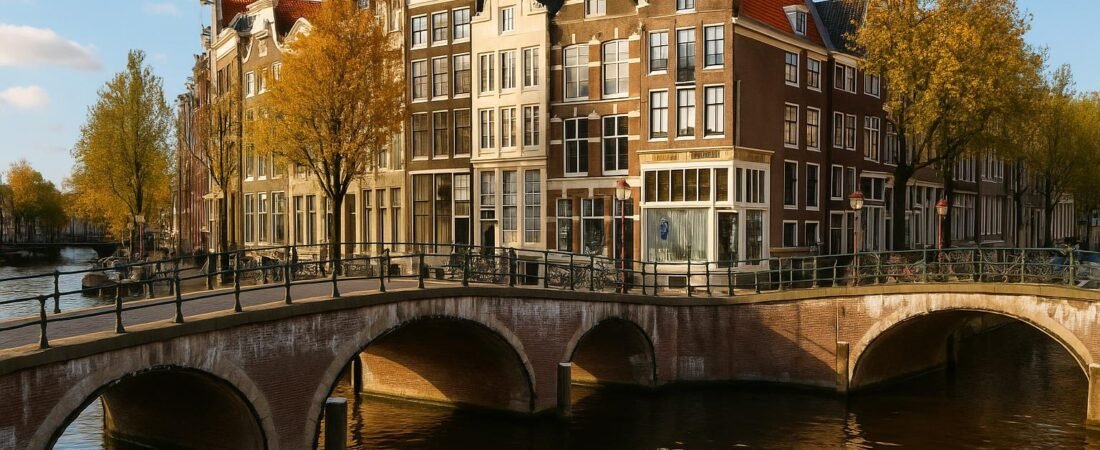
Canals glinting in the afternoon light, gabled houses leaning over narrow streets, cyclists moving past with effortless grace—Amsterdam is a city that feels both timeless and contemporary. It combines Golden Age grandeur with cutting-edge culture, intimate neighborhood charm with world-class attractions. This guide explores when to visit, what to see, where to stay, and how to savor the city’s culinary character, helping you plan an Amsterdam trip that is both memorable and well-balanced.
Best Time to Visit Amsterdam
Ideal Seasons for Travel
Amsterdam is a genuine year-round destination, but spring and early autumn are generally the most rewarding periods for travelers.
- Spring (April–May): Widely considered the prime season, spring brings tulip blooms, mild temperatures, and longer days. The city’s parks and canalsides come alive, and day trips to the nearby flower fields and the Keukenhof Gardens are at their best. Be aware that the week around King’s Day (27 April) is particularly busy and festive.
- Summer (June–August): This is peak tourist season with lively outdoor terraces, open-air festivals, and extended daylight that often stretches late into the evening. It is ideal for canal cruises, biking, and wandering the historic canal belt, but prices are higher and popular attractions can be crowded unless you book ahead.
- Autumn (September–October): Early autumn offers a sweet spot: fewer tourists than summer, yet still comfortable weather and a vibrant cultural calendar as theaters, concert halls, and galleries launch new seasons. The city’s tree-lined canals turn golden, creating particularly photogenic scenes.
- Winter (November–March): Winter is cold, but brings its own appeal. Museum visits, cozy brown cafés, and festive lights define the experience. December’s holiday markets and the Amsterdam Light Festival brighten the darker months. This is also when you will find more attractive hotel rates, aside from the Christmas and New Year period.
Weather Considerations
Amsterdam’s climate is temperate and maritime, meaning relatively mild but changeable weather throughout the year. Rain can appear at any time, often in brief showers rather than all-day downpours.
- Temperatures: Expect winter daytime temperatures around 2–7°C (36–45°F) and summer highs typically between 20–25°C (68–77°F). Heatwaves are possible but usually short-lived.
- Rain and wind: Pack a light, waterproof jacket regardless of the season. The city can be breezy, particularly near the waterfront and open squares, and showers frequently roll in from the North Sea.
- Daylight: In June, extended daylight allows for long days of exploration; in December, the sun sets early, making it wise to plan outdoor activities for late morning and early afternoon, leaving evenings for dining and cultural pursuits.
Layered clothing, comfortable walking shoes, and a compact umbrella or raincoat will make you resilient to the city’s shifting conditions and help you enjoy Amsterdam in any season.
Top Attractions in Amsterdam
Must-See Museums
Amsterdam’s museums form one of Europe’s most impressive cultural clusters, concentrated largely around Museumplein and the historic canal belt. Advance booking has become essential for the most popular institutions.
- Rijksmuseum: The Netherlands’ national museum is a masterclass in Dutch art and history. The collection includes Rembrandt’s “The Night Watch,” Vermeer’s intimate interiors, and an extensive decorative arts section. Plan at least two to three hours to explore, and consider visiting early in the morning to avoid the busiest times.
- Van Gogh Museum: Housing the world’s largest collection of Vincent van Gogh’s works, this museum traces his evolution as an artist, pairing famous masterpieces such as “Sunflowers” and “The Bedroom” with lesser-known sketches and letters. Timed-entry tickets are mandatory and often sell out days in advance.
- Anne Frank House: Located on the Prinsengracht, the former hiding place of Anne Frank offers a deeply moving, carefully curated experience. Exhibits combine original spaces with historical context and personal artifacts. Online reservations are required and should be made as early as possible.
- Stedelijk Museum: Amsterdam’s leading museum for modern and contemporary art and design showcases works by artists such as Mondrian, Matisse, and Warhol, alongside innovative temporary exhibitions that appeal to design enthusiasts and art lovers alike.
- Smaller, specialist museums: For a more niche experience, consider the Hermitage Amsterdam (hosting rotating exhibitions), FOAM (a respected photography museum), or the Willet-Holthuysen Museum, a canal house that reveals the lifestyle of wealthy 19th-century Amsterdammers.
Historic Landmarks and Iconic Sites
Beyond its museums, Amsterdam abounds with historic landmarks and iconic vistas that showcase the city’s architectural heritage and mercantile past.
- Canal Ring (Grachtengordel): The UNESCO-listed 17th-century canal belt is the city’s defining feature. Elegant merchant houses, arched bridges, and tree-lined quays reveal Amsterdam’s Golden Age prosperity. A guided canal cruise offers a compelling introduction, but walking or cycling along the canals provides a more intimate view.
- Dam Square and the Royal Palace: As the city’s symbolic center, Dam Square is home to the Neo-Classical Royal Palace, originally built as a city hall in the 17th century. When not in use for state ceremonies, the palace is open to visitors, who can admire opulent interiors and grand marble halls.
- Jordaan District: Once a working-class area, the Jordaan is now a charming quarter of narrow streets, independent boutiques, art galleries, and canal-side cafés. It is an ideal place to wander without a strict agenda, discovering hidden courtyards (hofjes) and atmospheric eateries.
- Begijnhof: Hidden behind a modest doorway off Spui square, this tranquil courtyard dates back to the Middle Ages. Historically home to a community of devout laywomen, it remains a quiet refuge with beautifully preserved houses and one of Amsterdam’s oldest wooden facades.
- De Oude Kerk and the historic core: The Oude Kerk (Old Church), located in the oldest part of the city, offers a striking juxtaposition of medieval architecture with contemporary art installations. Climb the tower when possible for panoramic views of the city’s rooftops and waterways.
- Vondelpark: Amsterdam’s most famous park is a green sanctuary amid the urban bustle. Locals and visitors alike come here to cycle, jog, picnic, or simply relax on the grass. In summer, the open-air theater hosts free performances, adding cultural flair to the leafy surroundings.
Where to Stay in Amsterdam
Best Neighborhoods for Tourists
Your choice of neighborhood in Amsterdam will influence the rhythm and character of your stay. Each district offers a distinct atmosphere, from tranquil canals to vibrant nightlife.
- Canal Belt (Herengracht, Keizersgracht, Prinsengracht): Staying along the main canals immerses you in quintessential Amsterdam scenery. This area is central yet relatively calm at night, ideal for travelers who value charm, architecture, and easy access to major sights.
- Jordaan: With its village-like feel, Jordaan suits visitors who enjoy wandering past galleries, specialty shops, and inviting bistros. It remains close to the city center but feels more residential and intimate than some adjoining districts.
- De Pijp: South of the historic center, De Pijp is youthful and cosmopolitan, filled with cafés, bars, and the lively Albert Cuyp Market. It is particularly appealing to food enthusiasts and travelers seeking a more local, everyday ambiance.
- Museum Quarter (Museumplein): Ideal for culture-focused stays, the Museum Quarter puts you within walking distance of the Rijksmuseum, Van Gogh Museum, and Vondelpark. The area is elegant and relatively quiet in the evenings, with excellent public transport connections.
- Centrum (Old Town and around Central Station): This is the most convenient base for short stays and for first-time visitors who plan frequent day trips by train. However, some streets can be noisy and crowded, particularly near the Red Light District and popular nightlife hubs.
- Eastern and Western Docklands, and Amsterdam-Noord: These emerging areas feature striking modern architecture, creative spaces, and waterfront views. They tend to offer better value and a contemporary feel, while remaining accessible by ferry, tram, or metro.
Recommended Hotels and Accommodations
Amsterdam’s accommodation portfolio ranges from canal-house boutique hotels to design-driven properties and comfortable apartment-style stays. Reserve early, particularly for spring and summer visits.
- Historic canal-house hotels: For a classic Amsterdam experience, boutique hotels in converted canal mansions provide high ceilings, period details, and intimate service. Many are located along the Herengracht and Keizersgracht, offering serene water views and easy access to the city center.
- Design and lifestyle hotels: Contemporary properties near the Museum Quarter and De Pijp combine minimalist interiors with thoughtful amenities such as bicycle rentals, rooftop bars, and locally inspired breakfast menus. These suit travelers who value style and modern conveniences.
- Apartment-style stays: Serviced apartments and apart-hotels in residential neighborhoods give more space and a kitchen, useful for longer visits or family travel. They provide a sense of living in the city rather than merely passing through, while maintaining hotel-level comfort.
- Budget-friendly options: Hostels, guesthouses, and simpler hotels cluster around Centrum and near key transport hubs. Many offer private rooms as well as dormitories. Booking well in advance is essential if you want affordable rates in central locations.
- Out-of-center hotels: Properties near business districts or suburban stations can be more economical, with fast tram or metro links into the heart of Amsterdam. This can be a smart option during peak seasons when central accommodation is scarce or expensive.
Focus on proximity to tram or metro lines and verify whether bicycle rentals are available on-site or nearby; cycling remains one of the most efficient and enjoyable ways to navigate the city.
Food and Dining in Amsterdam
Traditional Dutch Cuisine
Amsterdam’s dining scene reflects its trading history, with international influences layered over classic Dutch cooking. Sampling traditional dishes alongside contemporary interpretations offers insight into local tastes and seasonal rhythms.
- Stamppot and hearty mains: In colder months, look for stamppot, a flavorful mash of potatoes and vegetables, often served with smoked sausage or gravy. Pea soup (erwtensoep) is another winter staple, thick, hearty, and typically accompanied by rye bread and bacon.
- Herring and seafood: Raw herring (haring), usually served with chopped onions and pickles, is a characteristic Dutch snack. Try it from a traditional herring stand or fish stall. Fried cod bites (kibbeling) with garlic sauce are another popular choice, particularly at markets and casual eateries.
- Cheese: Gouda, Edam, and aged farmhouse cheeses occupy a central place in Dutch culinary culture. Visit a cheese shop or tasting room to sample a range of textures and maturities, often paired with mustards or chutneys.
- Street treats: Stroopwafels (thin waffles sandwiched with caramel syrup) are best enjoyed warm from specialized stalls. Poffertjes—small, fluffy pancakes topped with butter and powdered sugar—are a beloved fairground and market indulgence.
- Indonesian rijsttafel: A legacy of the colonial era, rijsttafel (“rice table”) consists of an array of small Indonesian dishes served with rice. It is now firmly integrated into Amsterdam’s dining landscape and offers a rich, shared tasting experience.
Popular Restaurants and Cafés
From refined dining rooms on the canals to bustling neighborhood cafés, Amsterdam provides a wide range of options for every palate and budget. Reservations are recommended for dinner, especially on weekends and during peak seasons.
- Canal-side fine dining: Elegant restaurants housed in historic buildings along the canals often focus on seasonal, locally sourced ingredients, with modern European menus and carefully curated wine lists. Many offer tasting menus that showcase Dutch produce in creative ways.
- Bistros and brasseries: In Jordaan, De Pijp, and the Canal Belt, numerous bistros serve well-executed classics such as roast meats, fish dishes, and inventive vegetarian plates. These establishments strike a balance between sophistication and relaxed charm.
- Indonesian and Surinamese eateries: Amsterdam’s multicultural communities have created vibrant dining scenes, particularly for Indonesian, Surinamese, and other global cuisines. Seek out established Indonesian restaurants for rijsttafel and smaller neighborhood spots for more informal meals.
- Cafés and brown bars: Traditional brown cafés—so named for their dark wood interiors and tobacco-stained walls—offer an authentic local atmosphere, serving beer, jenever (Dutch gin), and simple bar snacks. Modern specialty coffee bars, meanwhile, are ubiquitous and emphasize high-quality beans and skilled baristas.
- Markets and casual dining: Food halls and markets such as the Albert Cuyp Market or indoor venues in renovated industrial spaces provide an excellent opportunity to sample diverse bites in a single stop. These are convenient options for informal, flexible meals between sightseeing.
To experience Amsterdam’s culinary diversity fully, combine traditional Dutch dishes with global flavors, alternating between market snacks, neighborhood cafés, and at least one more formal meal featuring contemporary Dutch cuisine.
Conclusion
Amsterdam rewards both first-time visitors and seasoned travelers with its layered history, rich cultural institutions, and effortlessly livable atmosphere. By choosing the right season, focusing on neighborhoods that match your travel style, and balancing marquee attractions with quieter corners of the city, you can create an itinerary that feels personal rather than generic. Add in the city’s evolving dining scene—from heritage recipes to inventive modern cooking—and you have all the ingredients for a memorable European escape. With thoughtful planning and a willingness to wander beyond the main thoroughfares, Amsterdam reveals itself as a city that is as engaging in its details as it is in its iconic canal views.