
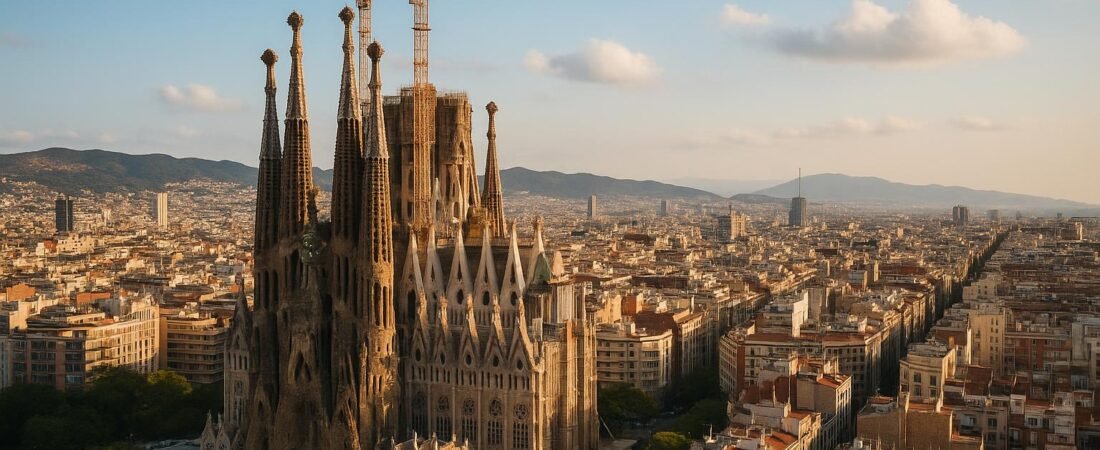
Barcelona is a city that rewards curiosity. From Modernist architecture and medieval alleyways to beachside promenades and cutting-edge gastronomy, it offers a rare balance of culture, coastal leisure, and urban energy. This guide walks you through the best time to visit, essential attractions, where to stay, what to eat, and how to move around efficiently, helping you design a trip that feels both inspired and practical.
Best Time to Visit Barcelona
Spring vs. Fall: Ideal Seasons for Travel
Barcelona is technically a year-round destination, but spring and fall are the most rewarding seasons for most travelers. Each offers distinct advantages in terms of weather, crowds, and pricing.
Spring (March to May) brings mild temperatures, blooming parks, and a general sense of renewal throughout the city. Daytime highs typically range from 15–22°C (59–72°F), ideal for walking between neighborhoods, visiting Gaudí’s works, and enjoying terrace cafés without the summer heat. Easter and the weeks around it, however, can be busy and more expensive; book ahead if you plan to visit during Semana Santa.
Fall (September to early November) is equally appealing, with pleasantly warm weather lingering well into October. The sea remains swimmable in early fall, yet the summer crowds begin to thin. Festivals such as La Mercè in late September give a vivid glimpse into local culture, while shoulder-season hotel rates are often more attractive than in peak summer months.
If your priority is the beach, early summer (June) can also work well, before the full high-season rush of July and August. Those peak months, while vibrant, come with higher prices, intense heat, and significant tourist density in central areas.
Weather Considerations and Packing Tips
Barcelona’s Mediterranean climate means hot summers, mild winters, and generally sunny days. Still, conditions vary enough throughout the year to warrant thoughtful packing.
- Spring and Fall: Pack light layers: breathable shirts, a light sweater, and a compact jacket for cooler evenings or unexpected breezes by the sea. Comfortable walking shoes are essential for uneven pavements in the Gothic Quarter and park trails in Montjuïc or Parc Güell.
- Summer: Expect temperatures frequently in the high 20s to low 30s°C (80s–90s°F). Bring lightweight clothing, a hat, sunglasses, and high-SPF sunscreen. A swimsuit and sandals are useful for Barceloneta Beach or hotel pools, but still pack closed shoes for long days of sightseeing.
- Winter: Temperatures are usually mild, rarely dropping below 5–8°C (41–46°F), but colder winds can make it feel brisk. A medium-weight coat, scarf, and closed shoes are sufficient; snow is exceptionally rare in the city.
Regardless of season, a small daypack, reusable water bottle, and a compact umbrella or rain jacket are practical additions. The city is walkable; prioritize comfort and versatility over fashion-only footwear.
Top Attractions in Barcelona
Must-See Landmarks: Gaudí’s Masterpieces
No visit to Barcelona is complete without engaging with the legacy of Antoni Gaudí, whose visionary architecture defines much of the city’s visual identity. His buildings are not just photogenic; they represent pioneering approaches to structure, light, and natural forms.
- Sagrada Família: This still-unfinished basilica is Barcelona’s most iconic landmark. Its intricate façades and forest-like interior columns are best appreciated with a timed-entry ticket booked well in advance. Consider a morning slot for softer interior light and slightly fewer crowds.
- Parc Güell: Originally planned as a garden city, Parc Güell is now a public park blending whimsical mosaic work, undulating benches, and panoramic views over Barcelona. The Monumental Zone requires a ticket; arrive early or late in the day to avoid the midday rush.
- Casa Batlló: Located on Passeig de Gràcia, Casa Batlló is distinguished by its colorful ceramic façade and wave-like design. The interior tour, with its organic lines and clever use of light, reveals the full extent of Gaudí’s innovation.
- La Pedrera (Casa Milà): Another masterpiece on Passeig de Gràcia, La Pedrera features a sculptural stone façade and a rooftop populated by surreal chimney “warriors.” Night tours and events on the roof add a dramatic perspective.
Complement these icons with other Modernist gems around the Eixample: works by Domènech i Montaner and Puig i Cadafalch round out the architectural story beyond Gaudí.
Cultural Experiences: Museums and Local Festivals
Barcelona’s cultural life extends far beyond its buildings. Its museums and festivals offer insight into Catalan identity, artistic heritage, and contemporary creativity.
- Museu Picasso: Housing one of the most extensive collections of Pablo Picasso’s early works, this museum in El Born traces the artist’s formative years in Barcelona. Advance booking is recommended, especially on weekends.
- Museu Nacional d’Art de Catalunya (MNAC): Perched on Montjuïc, MNAC holds an outstanding Romanesque art collection, as well as Gothic, Renaissance, and Modern art. The building itself offers sweeping views over Plaça d’Espanya and beyond.
- Fundació Joan Miró: Also on Montjuïc, this museum focuses on the Catalan surrealist Joan Miró, showcasing his playful, bold works in a bright, airy space.
- Museu d’Història de Barcelona (MUHBA): Beneath the Gothic Quarter, MUHBA reveals Roman ruins and medieval remains, accessible via walkways above the excavation sites.
Festivals provide a dynamic counterpoint to museum visits:
- La Mercè (September): The city’s biggest annual festival, with castellers (human towers), correfocs (fire runs), concerts, and street performances. It’s an immersive introduction to Catalan traditions.
- Festa Major de Gràcia (August): The Gràcia neighborhood decorates its streets with elaborate handmade installations. The atmosphere is convivial, with live music and local food stalls.
- Sant Jordi (April 23): Often described as the “Catalan Valentine’s Day,” Sant Jordi fills streets with book and flower stands. Locals exchange books and roses, and the city takes on a festive literary character.
Plan your itinerary around these cultural highlights to experience Barcelona not only as a destination, but as a living, evolving city.
Where to Stay in Barcelona
Best Neighborhoods for Tourists
Choosing the right neighborhood significantly shapes your experience. Barcelona’s districts offer distinct atmospheres, from coastal to bohemian to upscale.
- Gothic Quarter (Barri Gòtic): Ideal if you want to be in the historic heart, close to the Cathedral, Plaça Reial, and La Rambla. Expect narrow medieval streets, atmospheric plazas, and abundant dining options, but also more noise and crowds, particularly at night.
- El Born: Trendy yet historic, El Born offers a blend of boutique shops, excellent restaurants, and cultural attractions such as the Picasso Museum and Santa Maria del Mar. It is slightly less hectic than the Gothic Quarter, with a creative edge.
- Eixample: This elegant grid neighborhood is known for its Modernist architecture, wide boulevards, and central location. It suits travelers who value a balance of residential calm, quality dining, and easy access to key sites via public transport.
- Gràcia: Once a separate village, Gràcia feels more local and bohemian, with independent cafés, community squares, and a slower pace. It is a good choice for repeat visitors or those who prefer a neighborhood feel while still being a short metro ride from major attractions.
- Barceloneta and the Waterfront: Best for those prioritizing beach access. You’ll be close to the sea, promenade, and seafood restaurants, but farther from some cultural sights.
Budget Options vs. Luxury Accommodations
Barcelona’s accommodation landscape covers everything from economical hostels to high-end design hotels. Choosing wisely can significantly affect both comfort and budget.
- Budget Options: Hostels, guesthouses, and basic hotels are plentiful around El Raval, parts of Eixample, and Gràcia. Many offer private rooms alongside dorms. Look for properties with strong reviews regarding cleanliness, safety, and noise levels. Booking early, particularly for spring and fall, can secure excellent value close to the center.
- Mid-Range Hotels: This category is extensive in Eixample, El Born, and near Plaça Catalunya. You’ll typically find comfortable rooms, reliable Wi-Fi, and often a small rooftop or bar area, without the premium pricing of luxury brands. Boutique hotels in historic buildings are a compelling option if character matters to you.
- Luxury Stays: High-end hotels cluster along Passeig de Gràcia, in the Gothic Quarter, and near the marina. Expect refined service, spa facilities, sophisticated dining, and, in some cases, rooftop pools with city or sea views. These properties are best reserved well ahead of key events and holiday periods.
Short-term apartment rentals exist but are heavily regulated. Confirm that any apartment you book is licensed, both to comply with local rules and to ensure a better experience for you and the surrounding community.
Food and Dining in Barcelona
Traditional Catalan Dishes to Try
Barcelona’s cuisine blends coastal Mediterranean flavors with deep-rooted Catalan traditions. Exploring local dishes is one of the city’s most rewarding experiences.
- Pa amb tomàquet: Rustic bread rubbed with ripe tomato, olive oil, and salt. Simple yet omnipresent, it often accompanies meals rather than taking center stage.
- Escalivada: Roasted eggplant, peppers, and onions, usually served with olive oil and sometimes anchovies. It showcases the region’s reliance on quality produce.
- Botifarra amb mongetes: Grilled Catalan sausage with white beans, a satisfying and traditional combination.
- Fideuà: Similar to paella but made with short noodles rather than rice, typically featuring seafood. It is especially enjoyable in restaurants near the waterfront.
- Calçots (seasonal): In late winter and early spring, calçotades celebrate these charred, tender onions dipped in romesco sauce. While more rural in origin, some city restaurants and events recreate the experience.
- Crema catalana: A creamy dessert with a caramelized sugar topping, akin to crème brûlée but with its own regional nuances.
Pair meals with cava (Catalan sparkling wine) or a glass of local red or white from nearby wine regions such as Penedès or Priorat. For a casual drink and snack, vermut (vermouth) served on ice with an olive is a beloved tradition.
Top Restaurants and Tapas Bars
Barcelona’s dining scene ranges from centuries-old taverns to inventive Michelin-starred restaurants. Reservations are advisable at popular spots, especially on weekends.
- Tapas and Pintxos Bars: The city is rich in informal venues serving small plates—ideal for tasting widely in a single evening. Head to El Born and Poble-sec for clusters of atmospheric bars where you can try croquettes, grilled prawns, and classic patatas bravas.
- Traditional Catalan Restaurants: In Eixample and around Gràcia’s squares, you’ll find restaurants emphasizing seasonal Catalan dishes. Look for daily menus (menú del dia) at lunchtime, which offer excellent value.
- Seafood and Rice Dishes: Barceloneta and the Port Olímpic area host numerous restaurants specializing in paella, fideuà, and freshly grilled fish. Seek places frequented by locals, and avoid overly aggressive tourist touting along the main promenades.
- Contemporary and Fine Dining: Barcelona has a strong reputation for creative cuisine. A number of acclaimed restaurants experiment with modern techniques while drawing inspiration from Catalan roots. Book ahead for tasting menus and special occasions.
Markets are also central to the city’s food culture. While La Boqueria on La Rambla is famous, markets like Mercat de Sant Antoni or Mercat de la Concepció offer a more relaxed environment for sampling fresh produce, cheeses, and cured meats.
Getting Around Barcelona
Public Transportation: Metro, Buses, and Trams
Barcelona’s public transport network is efficient, extensive, and relatively easy to navigate, making it straightforward to move between neighborhoods and attractions.
- Metro: The metro is the backbone of urban transport, with multiple lines connecting major hubs such as Sagrada Família, Camp Nou, Montjuïc, and the city center. Trains are frequent, and signage is clear. Avoid peak rush hours if possible, especially with luggage.
- Buses: Buses fill in gaps where the metro does not reach directly and offer a scenic way to traverse the city. Digital displays and route maps are user-friendly, though traffic can slow journeys at busy times.
- Trams: Tram lines serve some outlying neighborhoods and business districts, particularly to the northeast and southwest. They are modern, comfortable, and less crowded than some metro lines.
Integrated travel cards, such as the T-casual (single-person multi-trip card) or multi-day passes, work across metro, buses, and trams, representing a cost-effective option for most visitors. Ticket machines at stations offer English-language instructions.
Walking and Cycling: Exploring the City on Foot
Barcelona is highly walkable, particularly in central districts. Much of its charm lies in wandering through narrow streets, discovering small squares, and lingering at outdoor cafés.
- On Foot: The Gothic Quarter, El Born, and sections of Eixample are best appreciated at a slow pace, especially in the early morning or evening when temperatures and crowds are more manageable. Comfortable shoes are vital; cobblestones and frequent stops quickly add up in daily distance.
- Cycling: Over recent years, Barcelona has invested in bike lanes and cycling infrastructure. Numerous rental shops and app-based services provide bicycles and e-bikes. Routes along the beachfront and through Eixample are especially enjoyable, though extra caution is advisable in older, narrow streets.
Taxis and ride-hailing services complement public transport, especially late at night or when carrying luggage. Official taxis are metered and relatively affordable within the city center.
Budgeting for Your Trip
Average Daily Costs in Barcelona
The cost of visiting Barcelona can vary widely depending on travel style, but approximate daily budgets per person can be outlined as follows (excluding flights):
- Budget Travelers: Around €60–€90 per day. This assumes a hostel or budget hotel, public transport, simple meals, and selective entry fees to attractions.
- Mid-Range Travelers: Approximately €120–€180 per day. This covers a comfortable hotel, restaurant dining once or twice a day, local transport, and several paid attractions.
- Luxury Travelers: €250+ per day. High-end accommodation, fine dining, private tours, and extensive shopping or nightlife can elevate costs significantly.
Entry fees to major sites such as Sagrada Família, Casa Batlló, and Parc Güell add up quickly. Allocate a dedicated portion of your budget to cultural visits, as these experiences are central to understanding the city.
Money-Saving Tips for Travelers
Thoughtful planning can help you experience Barcelona fully without overspending.
- Use Travel Passes: Multi-day transport passes or card bundles that include public transport and museum discounts can reduce cumulative costs, especially if you plan to move frequently between districts.
- Take Advantage of Lunch Menus: Many restaurants offer a menú del dia at lunchtime, typically including two courses, bread, and sometimes a drink at a favorable price compared to à la carte evening dining.
- Time Your Museum Visits: Some museums have free or reduced entry during specific hours or on certain days of the month. Check official websites and structure your itinerary accordingly.
- Explore Free Outdoor Attractions: Many of Barcelona’s pleasures—strolling along Passeig de Gràcia, watching street life in Plaça de Catalunya, hiking up to viewpoints on Montjuïc, or relaxing on the beach—cost nothing.
- Book in Advance: Pre-booking tickets for popular attractions often secures better prices and eliminates the risk of same-day sell-outs, saving both money and valuable time.
Pay attention to local norms regarding tipping (modest rounding up is customary rather than large percentages) and always confirm that taxes and service are included in hotel and restaurant bills.
Conclusion
Barcelona is a city of layers: Roman foundations, medieval quarters, Modernist avenues, and contemporary cultural spaces coexist within a compact, sea-facing landscape. By choosing the right season, staying in a neighborhood that matches your travel style, and balancing architectural landmarks with everyday experiences—like a leisurely vermut or an evening stroll along the waterfront—you can create a visit that is both memorable and deeply personal.
With thoughtful planning around transport, accommodation, and budget, Barcelona becomes not just a checklist of famous sites, but a place where you can settle into a rhythm of your own—absorbing its art, cuisine, and coastal light at a pace that suits you.