
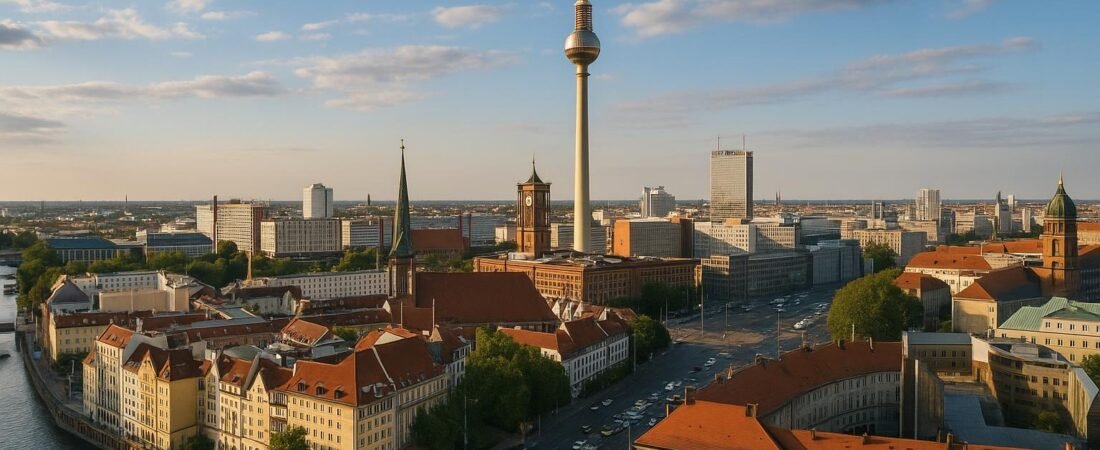
Berlin is a city that thrives on contrast. War-scarred monuments stand beside minimalist glass cubes; gritty street art frames Michelin-starred restaurants; lakes and forests fringe an avant-garde nightlife scene that rarely sleeps. For travelers, Berlin offers a potent mix of history, culture, and creative energy, all wrapped in a surprisingly relaxed, spacious urban landscape. This guide covers when to go, what to see, where to stay, and how to savor the city’s distinct culinary character.
Best Time to Visit Berlin
Seasonal Highlights
Berlin is a genuine year-round destination, but the experience shifts dramatically with the seasons. Your ideal time to visit depends on whether you prioritize outdoor exploration, cultural programming, or atmospheric winter charm.
Spring (April–June) is one of the most rewarding times to visit. After the long northern winter, Berliners spill into parks, riverbanks, and outdoor terraces. Temperatures are mild, trees blossom along the Landwehr Canal, and museum queues are shorter than in peak summer. It is an excellent season for cycling, strolling through Tiergarten, or exploring neighborhoods like Kreuzberg and Prenzlauer Berg on foot.
Summer (July–August) is high season. Long daylight hours and warm temperatures transform Berlin into an open-air playground. Lakes such as Wannsee and Müggelsee become de facto city beaches, and open-air cinemas, street festivals, and rooftop bars animate the evenings. Crowds at headline attractions like the Reichstag dome and Museum Island are at their peak, so advance reservations and early starts are advisable.
Autumn (September–October) brings crisp air, vivid foliage in the city’s vast parks, and a slower pace after summer. It is arguably the best compromise between pleasant weather and manageable visitor numbers. Cultural life gears up with new exhibitions, performances, and festivals. Layers are essential, as temperatures fluctuate and nights cool quickly.
Winter (November–March) is cold, often gray, and can be snowy, yet it has a distinctive appeal. The early onset of darkness highlights Berlin’s luminous architecture, and Christmas markets are a compelling draw from late November through December. Museum visits, cozy cafés, and hearty traditional dishes come into their own. Outside the holidays, winter offers very good value, with lower accommodation prices and fewer crowds at major sites.
Events and Festivals
Berlin’s calendar is dense with events that reflect its artistic, political, and hedonistic identity. Planning your trip around a key festival can add another dimension to your stay.
- Berlin International Film Festival (Berlinale, February) – One of the world’s premier film festivals, Berlinale transforms Potsdamer Platz and cinemas across the city into a hub of premieres, red carpets, and public screenings. It is an outstanding time for film lovers, though accommodation books up quickly.
- Gallery Weekend (late April / early May) – Contemporary art galleries across Berlin open their doors for a curated weekend of exhibitions and events. This is ideal if you want to explore the city’s cutting-edge art scene beyond the major institutions.
- Karneval der Kulturen (May / June) – A sprawling celebration of Berlin’s multicultural communities, centered in Kreuzberg. Expect parades, global street food, and live music. It is vibrant and crowded, with a distinctly local atmosphere.
- Fête de la Musique (21 June) – On the summer solstice, musicians of all genres perform free concerts in streets, courtyards, and parks, underscoring Berlin’s deep connection to live music.
- Christopher Street Day (CSD, July) – Berlin’s largest LGBTQ+ Pride celebration, combining political demonstration with exuberant street party. The parade and surrounding events highlight the city’s progressive spirit.
- Festival of Lights (October) – Landmarks such as Brandenburg Gate, the Berliner Dom, and the TV Tower are illuminated with elaborate projections. Evening walks during this festival offer a stunning, photogenic perspective on the city.
- Christmas Markets (late November–December) – From the elegant Gendarmenmarkt (currently relocated due to renovations but still operating nearby) to the more intimate markets in Charlottenburg and around the Kulturbrauerei, Berlin’s Weihnachtsmärkte offer artisanal gifts, mulled wine, and festive ambiance.
Top Attractions in Berlin
Must-See Historical Sites
Berlin’s layered history is one of its greatest draws. From Prussian grandeur to the trauma of the 20th century and the Cold War division, the city’s landmarks are powerful, often moving, reminders of the past.
Brandenburg Gate is Berlin’s most iconic monument, a neoclassical triumphal arch that once stood in the no-man’s land between East and West. Today it symbolizes reunification. Visit early in the morning for a more tranquil experience, then walk along Unter den Linden for a sense of imperial Berlin.
Nearby, the Reichstag Building, home to the German Bundestag, fuses 19th-century stone with Norman Foster’s striking glass dome. The dome’s spiraling ramp offers panoramic city views and an informative audio guide explaining the sights and Germany’s parliamentary system. Advance online registration is mandatory and highly recommended well ahead of your visit.
The Memorial to the Murdered Jews of Europe, just south of the Brandenburg Gate, is a stark field of concrete stelae that invites silent reflection. Beneath it, an informative underground exhibition centers on the individuals and families targeted during the Holocaust. Approaching this site with respect is essential.
No visit to Berlin is complete without confronting the history of the Berlin Wall. At East Side Gallery, a 1.3-kilometer stretch of preserved wall is covered in murals by artists from around the world, transforming a once-oppressive structure into an open-air gallery. For a more documentary perspective, the Berlin Wall Memorial on Bernauer Strasse offers a preserved section of the border fortifications, a visitor center, and a viewing platform explaining the reality of division.
Checkpoint Charlie, the former crossing point between American and Soviet sectors, is more overtly touristic, with a replica guardhouse and nearby museum. While it can feel commercialized, it still offers insight into Cold War tensions and escape attempts.
Those interested in the Nazi period should visit the Topography of Terror, built on the site of the former Gestapo and SS headquarters. Its free indoor and outdoor exhibitions provide a sober, meticulously documented account of the regime’s machinery of persecution.
For a glimpse of Prussian opulence, head to Charlottenburg Palace, Berlin’s largest royal residence. Its baroque and rococo interiors, landscaped gardens, and lakeside setting offer a serene contrast to the city center. In summer, concerts and open-air events are occasionally held on the grounds.
Popular Museums and Galleries
Berlin’s museums are world-class, and you could easily dedicate several days to them alone. Prioritize according to your interests and consider purchasing a museum pass if you plan multiple visits.
Museum Island (Museumsinsel), a UNESCO World Heritage site on the Spree River, is the logical starting point. It comprises five major institutions:
- Pergamonmuseum – Famous for monumental reconstructions such as the Ishtar Gate of Babylon and the Market Gate of Miletus. Parts of the museum are undergoing extensive renovation, so check current access before visiting.
- Neues Museum – Showcases Egyptian and prehistoric collections, including the renowned bust of Nefertiti. Its restoration, blending war-damaged architecture with contemporary design, is worth appreciating in its own right.
- Alte Nationalgalerie – Focuses on 19th-century art, including Romantic and Impressionist works, housed in a stately temple-like building.
- Bode-Museum – Holds an impressive array of sculptures, Byzantine art, and coins, with an atmospheric riverside setting.
- Altes Museum – Dedicated primarily to classical antiquities, set behind a columned façade fronting Lustgarten.
Beyond Museum Island, the Jewish Museum Berlin is essential. Daniel Libeskind’s angular architecture and the thoughtful, interactive exhibitions explore centuries of Jewish life in German-speaking territories, the Holocaust, and its aftermath.
Art enthusiasts should not miss Hamburger Bahnhof – Nationalgalerie der Gegenwart, a former railway station turned major contemporary art museum, with works by Beuys, Warhol, and many others. For more avant-garde exploration, the collections at KW Institute for Contemporary Art and Hallesches Ufer’s galleries provide a look into Berlin’s present-day creative scene.
If your interests lean toward technology and design, the Deutsches Technikmuseum offers hands-on exhibits covering industrial history, aviation, railways, and communications, making it particularly suitable for families. Meanwhile, the Bauhaus-Archiv (currently undergoing major redevelopment; check for temporary exhibitions) delves into the influential Bauhaus movement that shaped modern architecture and design.
Where to Stay in Berlin
Best Neighborhoods for Tourists
Berlin’s decentralized layout means there is no single “best” district; instead, each neighborhood provides a distinct atmosphere. Public transport is efficient, so choose an area that suits your style and interests.
Mitte is the most central choice, ideal if you want to walk to headline sights such as Museum Island, Unter den Linden, and Hackescher Markt. The area combines historical landmarks with chic boutiques, galleries, and restaurants. It is particularly convenient for first-time visitors with limited time.
Prenzlauer Berg, just north of Mitte, offers leafy streets, renovated 19th-century buildings, and a relaxed café culture. It is popular with families and travelers seeking a slightly quieter base that still feels urban and stylish. The area around Kollwitzplatz is especially appealing, with weekly markets and numerous independent shops.
Kreuzberg is more bohemian, historically known for counterculture, street art, and multicultural dining. Neighborhoods around Bergmannkiez and the Landwehr Canal are lively yet liveable, packed with bars, casual eateries, and late-night venues. It suits those who value creative energy and nightlife.
Friedrichshain, across the Spree from Kreuzberg, skews younger and edgier, particularly around Simon-Dach-Strasse and Boxhagener Platz. It is a good option if you want easy access to club culture, the East Side Gallery, and a dense cluster of bars and budget-friendly eateries.
Charlottenburg-Wilmersdorf, in former West Berlin, offers a more traditional, refined atmosphere. The area near Kurfürstendamm (Ku’damm) is known for upscale shops, historic cafés, and proximity to the Berlin Zoo and Charlottenburg Palace. It is a strong choice for those who prefer classic hotels and quieter evenings.
Neukölln has evolved rapidly, with creative studios, bars, and restaurants proliferating around the Weserstrasse and Reuterkiez areas. It offers relatively good value and a distinctly local feel, though it is slightly farther from some central attractions.
Recommended Hotels and Hostels
Berlin’s accommodation spectrum is broad, from design-forward boutique hotels to efficient hostels and luxury properties. The following options illustrate different styles and budgets.
Luxury and High-End
- Hotel Adlon Kempinski (Mitte) – A Berlin institution overlooking the Brandenburg Gate. Classic interiors, refined service, and a prime location make it a top choice for travelers seeking old-world grandeur.
- The Ritz-Carlton, Berlin (Potsdamer Platz) – Combines polished service with elegant, contemporary design. Its central location works well for culture-focused itineraries and business travelers alike.
- SO/ Berlin Das Stue (Tiergarten) – Housed in a former Danish embassy, this intimate design hotel borders the zoo and Tiergarten, with sophisticated interiors and an excellent restaurant.
Boutique and Design Hotels
- Casa Camper Berlin (Mitte) – Understated, stylish rooms near Hackescher Markt, with a guest lounge offering snacks and city views, ideal for urban explorers.
- Michelberger Hotel (Friedrichshain) – A creative, informal property opposite the East Side Gallery, popular with design-conscious travelers and those drawn to the city’s music scene.
- 25hours Hotel Bikini Berlin (Charlottenburg) – Playful, jungle-themed interiors overlooking the zoo and a popular rooftop bar with sweeping city views.
Mid-Range and Budget-Friendly
- The Circus Hotel (Mitte) – A well-run, characterful hotel with an associated hostel, known for friendly staff, compact but smart rooms, and an excellent location.
- Hotel Oderberger (Prenzlauer Berg) – Set in a converted 19th-century public bathhouse, it blends historic architecture with contemporary comfort.
- Motel One (various locations) – This design-focused budget chain offers consistent quality, modern rooms, and strategic locations across the city.
Hostels and Social Stays
- The Circus Hostel (Mitte) – Exceptionally organized, with a range of dorms and private rooms, regular events, and an on-site café-bar. Suitable for budget-conscious travelers of all ages.
- Wombat’s City Hostel Berlin (near Alexanderplatz) – Offers clean dorms, a convivial rooftop bar, and easy access to central attractions and transport.
- Sunflower Hostel (Friedrichshain) – A relaxed, colorful hostel close to nightlife hotspots and the East Side Gallery.
Food and Dining in Berlin
Traditional Dishes to Try
Berlin’s cuisine reflects both regional traditions and waves of migration. You will find hearty classics, inventive reinterpretations, and a remarkable breadth of international flavors.
Currywurst is perhaps Berlin’s most emblematic street food: sliced pork sausage topped with spiced ketchup and curry powder, usually served with fries. It is inexpensive, quick, and ubiquitous at snack stands across the city. Many locals have strong opinions on the best Imbiss; part of the fun is forming your own.
Berliner Pfannkuchen (often simply called “Berliner” outside the city) is a jam-filled doughnut dusted with sugar, traditionally enjoyed during Carnival season but available year-round in bakeries. It is an ideal companion to a mid-morning coffee.
Eisbein (pork knuckle), served either roasted with crackling or boiled, typically comes with sauerkraut and potatoes. It is substantial and best attempted with a hearty appetite. Similar comfort dishes include Königsberger Klopse (meatballs in a creamy caper sauce) and regional potato specialties.
Due to a large Turkish community, Döner kebab has become a de facto Berlin classic. Invented in its current form in the city, Berlin-style Döner features shaved meat (or increasingly, vegetarian alternatives), fresh salad, and sauces wrapped in flatbread. Numerous kebab stands claim cult status; queues often signal quality.
The city is also at the forefront of plant-based dining. You will find numerous vegan and vegetarian restaurants, from casual falafel spots to fine-dining establishments reinventing German staples without animal products.
Popular Restaurants and Cafes
Berlin’s dining landscape is diverse and dynamic, ranging from humble street food to acclaimed gastronomy. Reservations are recommended at popular venues, especially on weekends.
Casual and Street-Food Favorites
- Curry 36 (Kreuzberg) – Frequently cited for standout Currywurst, open late and ideal for a quick bite before or after a night out.
- Mustafa’s Gemüse Kebap (Kreuzberg) – Known for vegetable-studded Döner kebabs, often with a line to match its reputation. Arrive off-peak if possible.
- Markthalle Neun (Kreuzberg) – A restored market hall hosting local producers, artisanal stands, and themed food events. Street Food Thursday showcases global dishes from small vendors.
Modern German and Fine Dining
- Tim Raue (Kreuzberg) – A Michelin-starred restaurant offering bold, Asian-influenced cuisine in a refined yet unpretentious setting.
- Nobelhart & Schmutzig (near Checkpoint Charlie) – Focuses on hyper-local, “vocally local” ingredients from producers in and around Berlin, served at a counter facing the open kitchen.
- Katz Orange (Mitte) – Located in a courtyard of a former brewery, it serves seasonal dishes with a focus on sustainable sourcing in a warm, atmospheric dining room.
International and Plant-Based Options
- Daluma (Mitte) – Specializes in health-focused bowls, cold-pressed juices, and plant-based dishes, popular for breakfast and lunch.
- Cordon Bleu and Vietnamese eateries (various in Prenzlauer Berg, Mitte, and Friedrichshain) – Berlin’s sizable Vietnamese community has created a wealth of excellent, affordable restaurants. Chains like Madami and neighborhood spots such as Monsieur Vuong are consistently popular.
- Kopps (Mitte) – A sophisticated vegan restaurant offering inventive tasting menus and a well-regarded weekend brunch.
Cafés and Coffee Culture
- Five Elephant (Kreuzberg / Mitte) – Renowned for specialty coffee and outstanding cheesecake. Also a micro-roastery with beans for sale.
- The Barn (Mitte / Prenzlauer Berg) – A benchmark in Berlin’s third-wave coffee scene, emphasizing carefully sourced beans and minimalist interiors.
- Annelies (Kreuzberg) – A refined brunch spot serving thoughtful plates and excellent coffee in a calm setting near Görlitzer Park.
Conclusion
Berlin rewards curiosity. It is a city where you can stand atop the Reichstag dome in the morning, contemplate the remnants of the Wall by midday, wander through a contemporary art space in the afternoon, and end the evening in a courtyard bar or concert venue. The juxtaposition of solemn history, progressive politics, and creative experimentation is at the heart of its appeal.
Whether you come for the museums and memorials, the lakes and green spaces, the nightlife, or the evolving culinary landscape, Berlin offers a depth of experience that reveals itself layer by layer. With thoughtful planning around seasons, neighborhoods, and your particular interests, you will find a version of Berlin that feels both compelling and distinctly your own.