
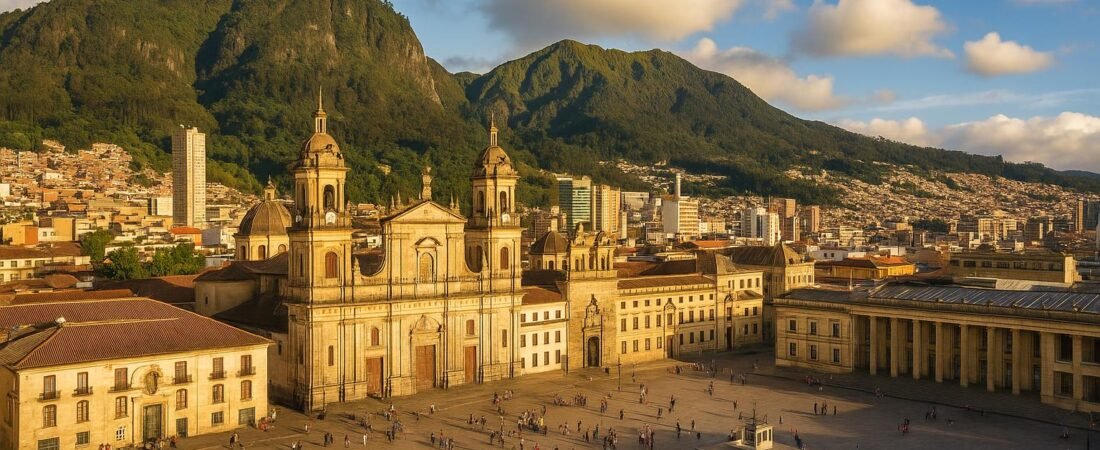
Bogotá is a city of altitude and attitude: a high‑Andean capital where colonial streets meet bold contemporary architecture, and street art competes with mountain views. At 2,640 meters above sea level, Colombia’s largest city rewards curious travelers with serious culture, inventive cuisine, and a buzzing urban energy tempered by cool mountain air. This guide covers the best time to visit Bogotá, what to see, where to stay, and how to savor its flourishing food scene.
Best Time to Visit Bogotá
Weather and Climate
Bogotá’s climate is defined more by altitude than by season. Temperatures are relatively stable year-round, typically hovering between 9°C (48°F) at night and 19°C (66°F) during the day. Expect crisp mornings, intense midday sun, and evenings that call for a light jacket.
Instead of four seasons, Bogotá has wet and drier periods, with rain possible at any time. The heaviest showers usually fall between April–May and October–November. Rain tends to come in short, intense bursts rather than all-day storms, so sightseeing is still very feasible with a compact umbrella or waterproof jacket.
The drier stretches from December to March and again in July–August are generally the most pleasant for first-time visitors. Skies are often clearer, making it an ideal time to ride the cable car up to Monserrate or stroll the historic streets of La Candelaria. Regardless of month, pack layers—sun, wind, and a sudden chill can all occur in a single afternoon.
Events and Festivals
Bogotá’s cultural calendar is one of the most vibrant in Latin America, and timing your trip around a major event can completely transform your experience of the city.
- Festival Iberoamericano de Teatro (every two years, March/April) – One of the world’s largest theater festivals, this citywide celebration brings international and local troupes to stages, streets, and plazas. Tickets sell quickly, and accommodation near the historic center should be booked well in advance.
- Rock al Parque (usually June/July) – A massive free rock festival held in Parque Simón Bolívar. Expect an eclectic lineup, from local alternative bands to internationally recognized acts, and large, passionate crowds.
- Jazz al Parque (September) – A more relaxed open-air festival, ideal if you prefer a laid-back atmosphere. Bring a blanket, buy snacks from nearby vendors, and enjoy high-caliber performances in the park.
- Festival de Verano (August) – A citywide summer celebration with sports events, concerts, and family-friendly activities centered on Bogotá’s large urban parks.
- Christmas and New Year – December transforms Bogotá with elaborate light displays along major avenues, festive markets, and traditional novena gatherings. The atmosphere is lively but not overwhelmingly touristy.
For a quieter, more contemplative stay focused on museums, gastronomy, and neighborhood exploration, visit outside major festivals and public holidays, when prices and crowd levels tend to be lower.
Top Attractions in Bogotá
Must-Visit Landmarks
Bogotá’s urban landscape mixes colonial heritage with contemporary design, framed by the green slopes of the Eastern Hills. Several key landmarks help orient first-time visitors and showcase the city’s evolution.
- Cerro de Monserrate – Rising above the city at over 3,100 meters, Monserrate offers the definitive Bogotá panorama. You can ascend via funicular, cable car, or a steep hiking trail (best tackled early in the morning and avoided after dark for safety). At the summit, visit the whitewashed church, browse small handicraft stalls, and linger over Andean views in one of the restaurants.
- La Candelaria Historic Center – The cobbled heart of Bogotá, La Candelaria is a compact district of colorful facades, baroque churches, and colonial mansions. Wander past carved wooden balconies, peer into leafy courtyards, and discover striking murals that reflect the city’s contemporary artistic pulse.
- Plaza de Bolívar – The main square encapsulates Colombia’s political and religious power. Here you will find the neoclassical Catedral Primada, the Capitolio Nacional (seat of Congress), the Palacio de Justicia, and the Alcaldía Mayor (City Hall). The plaza is also a stage for demonstrations, public concerts, and everyday city life.
- Usaquén – Once a separate town, now an upmarket northern district with cobbled streets, a charming main square, and a Sunday flea market. It is an excellent place to experience Bogotá’s blend of tradition and trend, with chic boutiques set inside old brick houses.
- Zona T and Parque de la 93 – These upscale zones in the north exemplify Bogotá’s modern, cosmopolitan side, with high-end shopping, sleek office towers, and a concentration of top restaurants and bars.
Cultural Institutions and Museums
Bogotá is Colombia’s cultural capital, home to a dense network of museums, galleries, and theaters that make it an outstanding city for art and history enthusiasts.
- Museo del Oro (Gold Museum) – Widely considered one of the finest museums in South America, the Gold Museum houses over 50,000 pre-Hispanic pieces in gold and other materials. Meticulous displays explain the symbolic and ritual importance of these objects to indigenous cultures such as the Muisca and Quimbaya. Allocate at least two hours to appreciate the collection.
- Museo Botero – Housed in a colonial mansion in La Candelaria, this museum showcases works donated by the celebrated Colombian artist Fernando Botero, alongside pieces by Picasso, Dalí, Renoir, and others. Admission is free, and the peaceful inner courtyards provide a welcome respite from the city’s bustle.
- Museo Nacional de Colombia – Located in a former prison, this is the country’s oldest museum. Its extensive collection spans pre-Columbian artifacts, colonial religious art, republican-era portraits, and contemporary works, offering a sweeping overview of Colombian history and identity.
- MAMBO (Museo de Arte Moderno de Bogotá) – A key institution for modern and contemporary art, MAMBO regularly hosts thought-provoking temporary exhibitions and installations by Colombian and international artists.
- Street Art in Bogotá – Much of Bogotá’s most compelling visual culture is outdoors. Graffiti and murals throughout neighborhoods like La Candelaria, Teusaquillo, and San Felipe explore themes from politics to music and daily life. Consider a guided street art tour to gain context, visit lesser-known alleys, and learn about the artists behind the work.
- Biblioteca Virgilio Barco and Biblioteca Luis Ángel Arango – More than just libraries, these impressive cultural centers host exhibitions, concerts, and lectures. Their architecture and landscaped surroundings make them rewarding stops for design and urban-planning aficionados.
Where to Stay in Bogotá
Best Neighborhoods for Tourists
Bogotá’s districts each have a distinct character. Choosing the right base depends on your priorities—history, nightlife, gastronomy, or calm residential ambiance.
- La Candelaria – Ideal for travelers focused on museums, colonial architecture, and walking access to the main historic sights. Boutique guesthouses occupy restored mansions with inner patios and wooden beams. Evenings are quieter than in the north, and steep streets mean you should be comfortable with some uphill walking.
- Chapinero and Chapinero Alto – A diverse, creative area popular with students, young professionals, and the LGBTQ+ community. Expect an excellent selection of cafés, bars, and independent restaurants, plus easy access by taxi or ride-hailing to both the center and the north. A good choice if you want nightlife without the polished feel of the business districts.
- Zona G – Bogotá’s “Gourmet Zone,” packed with acclaimed restaurants and sophisticated cafés. The neighborhood is largely residential and business-oriented, making it calmer at night. It suits food-focused travelers who appreciate a walkable area with high-end dining options immediately on hand.
- Zona T / Zona Rosa – The city’s primary nightlife and shopping hub, adjacent to major malls such as Andino and El Retiro. Upscale hotels, cocktail bars, and nightclubs line pedestrian-friendly streets. This area works well for those prioritizing modern comforts, nightlife, and ease of transportation.
- Parque de la 93 and Chicó – Leafy, affluent districts with green spaces, embassies, and corporate offices. They offer a relaxed, secure atmosphere, stylish apartments, and a strong selection of international restaurants. These neighborhoods are particularly attractive for business travelers and families seeking a quieter base.
Recommended Hotels and Lodging Options
Bogotá offers a full spectrum of accommodation, from characterful guesthouses to polished international chains. Below are representative options across several categories and neighborhoods.
- Boutique hotels in La Candelaria
- Casa deco-style guesthouses – Restored townhouses often feature original wooden floors, colorful tiled patios, and individually designed rooms. Many include breakfast with fresh fruit and Colombian coffee, and staff are usually well-versed in local history and walking routes.
- Art-focused stays – Some smaller properties double as galleries, displaying works by Bogotá-based painters and photographers. These can be ideal if you want to immerse yourself in the city’s creative scene from the moment you arrive.
- Mid-range and design hotels in Chapinero and Zona G
- Design-forward hotels – Sleek, minimalist rooms, strong Wi-Fi, and coworking-style lobbies cater to digital nomads and business travelers. Proximity to both gourmet restaurants and more casual eateries makes daily planning easy.
- Eco-conscious properties – A growing number of hotels emphasize sustainability, with energy-efficient systems, local sourcing, and responsible waste management, appealing to travelers who prioritize low-impact stays.
- High-end hotels in Zona T and Parque de la 93
- International brands – Well-known chains offer consistent standards, full-service spas, fitness centers, and extensive breakfast buffets. These properties often include concierge desks with strong local connections for arranging city tours and day trips.
- Luxury boutiques – Smaller upscale hotels distinguish themselves through personalized service, refined interior design, and on-site restaurants led by recognized Colombian chefs.
- Alternative stays
- Serviced apartments – In areas like Chicó and Santa Bárbara, serviced apartments provide kitchen facilities and more space, appealing to families or longer-stay visitors.
- Hostels and coliving spaces – Bogotá’s hostel scene has evolved well beyond dorm beds. Many properties now feature private rooms, communal kitchens, and curated social events, particularly in La Candelaria and Chapinero.
When choosing accommodation, consider Bogotá’s scale and traffic. Staying closer to the activities you care about most—whether that is museums, gastronomy, or nightlife—will significantly improve your experience.
Food and Dining in Bogotá
Traditional Dishes to Try
Bogotá’s cuisine reflects its Andean setting: hearty, comforting dishes built around potatoes, corn, and local produce, complemented today by inventive contemporary interpretations.
- Ajiaco Santafereño – Bogotá’s signature soup, traditionally made with three varieties of potatoes, chicken, corn on the cob, and guasca (a native herb that imparts a distinctive aroma). It is served with capers, cream, and avocado on the side, allowing you to tailor each spoonful. Ajiaco is particularly satisfying on a chilly afternoon.
- Bandeja Paisa – Although closely associated with Medellín and the Antioquia region, this abundant platter is widely available in Bogotá. It usually includes beans, rice, ground or grilled beef, chorizo, plantain, avocado, arepa, fried egg, and crispy pork belly. It is substantial enough to share.
- Tamales Cundiboyacenses – Corn dough filled with pork or chicken, carrots, peas, and spices, wrapped in banana leaves and steamed. Bogotá’s tamales are typically eaten for breakfast, often accompanied by a cup of hot chocolate.
- Changua – A traditional breakfast soup of milk, water, eggs, and scallions, sometimes with bread or arepa pieces. Its mild, comforting flavor makes it a classic start to the day, especially on colder mornings.
- Arepas and empanadas – Street-corner staples. Andean-style arepas are often thick and plain, served as a side, while empanadas are usually deep-fried corn pastries stuffed with beef, potato, or cheese, best enjoyed with spicy ají sauce.
- Desserts and sweets – Try obleas (wafer sandwiches filled with arequipe caramel, jam, or cheese), postre de natas, and cuajada con melao. Local fruits—such as lulo, feijoa, and uchuva (golden berry)—appear in juices, ice creams, and pastries.
- Hot chocolate with cheese – A distinctive Bogotá ritual involves dropping pieces of mild cheese into a steaming mug of thick hot chocolate, waiting for them to soften, then fishing them out with a spoon. It is more delicious than it may sound.
Popular Restaurants and Cafés
Bogotá’s dining landscape is among the most dynamic in South America, with everything from traditional corrientazo lunch spots to avant-garde tasting menus. Reservations are essential at many popular venues, especially on weekends.
- Fine dining and contemporary Colombian cuisine
- Zona G – This area is packed with restaurants that reinterpret Colombian ingredients through modern techniques. Expect seasonal menus that showcase Andean tubers, Amazonian fruits, and sustainably sourced seafood, often paired with thoughtful wine or cocktail programs.
- Chapinero Alto – Young chefs are opening intimate bistros and chef’s-table concepts here, focusing on small, frequently changing menus that highlight regional producers and lesser-known preparations.
- Traditional eateries and casual dining
- La Candelaria – Around the historic center, longstanding restaurants and fondas serve classic dishes such as ajiaco, overstuffed tamales, and homemade desserts in atmospheric settings with wooden beams and colonial decor.
- Local lunch spots – Throughout the city, small neighborhood restaurants offer menú del día (set lunch menus) including soup, main course, drink, and sometimes dessert at excellent value. These are ideal for experiencing everyday Bogotano food culture.
- Cafés and coffee culture
- Specialty coffee shops – Bogotá has embraced Colombia’s third-wave coffee movement. In Chapinero, Usaquén, and Zona T you will find cafés that source single-origin beans directly from farms in regions like Huila, Nariño, and the Coffee Triangle, offering pour-over, Aeropress, and cold brew preparations.
- Work-friendly cafés – Many spots cater to remote workers with strong Wi-Fi, abundant outlets, and relaxed policies about laptop use. They are excellent places to spend a few hours planning your next move or catching up on work in between sightseeing.
- Street food and markets
- Mercado de Paloquemao – A vast, colorful market where Bogotanos shop for flowers, fruit, meat, and spices. Visitors can sample freshly squeezed juices, deep-fried empanadas, tamales, and traditional soups in the market’s informal food stalls.
- Evening snacks – Around busy intersections and park entrances, vendors sell grilled corn, arepas de choclo (sweet corn arepas with cheese), and skewered meats. These are best enjoyed where there is a steady crowd and good turnover.
- Nightlife and bars
- Zona T and Parque de la 93 – The most polished nightlife districts, with cocktail bars, wine bars, and clubs playing everything from salsa to electronic music. Many establishments feature outdoor seating, making them lively yet comfortable in Bogotá’s cool evenings.
- Chapinero – A more alternative, creative scene, known for LGBTQ+ venues, small live-music bars, and experimental cocktail spots.
Conclusion
Bogotá rewards travelers who take the time to look beyond first impressions. Its cool, high-altitude climate, rich museum circuit, historic quarters, and burgeoning gastronomy scene combine into an urban experience that feels both distinctly Colombian and confidently global. Whether you are sipping hot chocolate in a centuries-old courtyard, exploring cutting-edge galleries, sharing a hearty ajiaco, or gazing over the metropolis from Monserrate at dusk, the city reveals new layers with each day.
By choosing the right season, basing yourself in a neighborhood that matches your travel style, and embracing both traditional flavors and contemporary creativity, you will discover a Bogotá that is complex, engaging, and deeply memorable.