
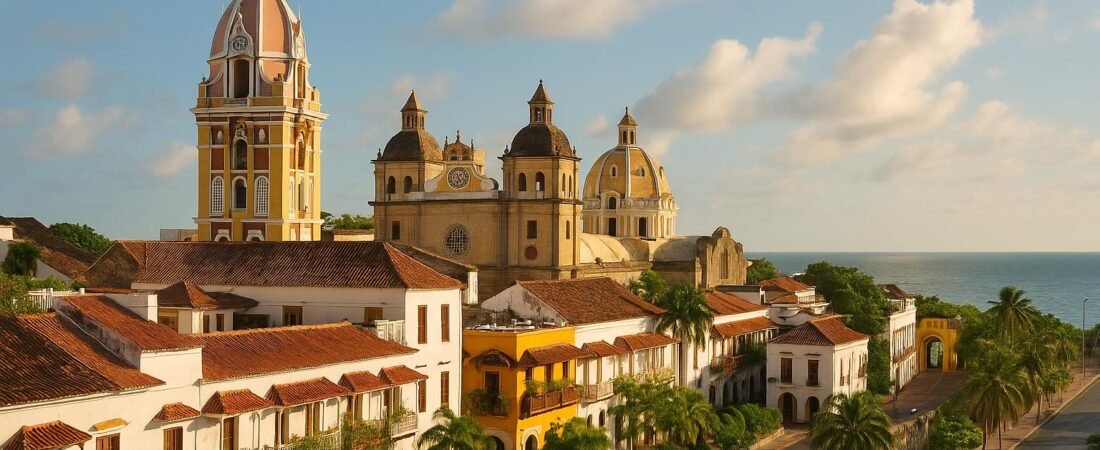
Cartagena is the kind of city that lingers in your memory long after you have left: ochre and pastel facades draped in bougainvillea, sea-salted breezes drifting through colonial plazas, and a rhythm that seems to pulse from the city walls themselves. This Caribbean port on Colombia’s northern coast blends UNESCO-listed history, vibrant street culture, and tropical beaches into one compelling destination. Whether you are drawn by the walled Old Town’s romance, the nearby Rosario Islands’ clear waters, or the city’s rapidly evolving culinary scene, Cartagena rewards careful planning. This guide walks you through the best time to visit, where to stay, what to eat, how to budget, and practical tips to help you experience Cartagena at its best.
Best Time to Visit Cartagena
Weather Overview
Cartagena enjoys a hot, humid tropical climate year-round, with temperatures rarely straying far from 27–31°C (81–88°F). The real variable is rainfall rather than temperature, so the “best time” has more to do with dry versus wet months than with warm versus cool weather.
The drier season typically runs from mid-December through April. During these months, trade winds help to temper the heat, skies are mostly clear, and humidity—while still noticeable—feels more manageable. This period is ideal for walking the historic center, enjoying rooftop bars, and making day trips to nearby beaches without the risk of frequent downpours.
The wetter season spans roughly May to November, with October often the rainiest month. Showers are usually intense but brief, often in the late afternoon or evening rather than all-day storms. Humidity climbs, but there are also advantages: fewer crowds (outside of specific holidays), more flexible hotel rates, and a lusher, greener landscape on nearby islands and along the coast.
Peak Tourist Seasons
Cartagena’s high season aligns with the Northern Hemisphere winter and major Colombian holidays. The most crowded—and expensive—times include:
- Late December to mid-January: Christmas, New Year, and the Colombian summer vacation period. Expect packed streets, fully booked top hotels, and premium pricing.
- Holy Week (Semana Santa): Dates vary, but this religious holiday draws both domestic and international visitors. Processions and special events make it atmospheric but crowded.
- June to early August: Another Colombian vacation window. Not as intense as December–January, but still noticeably busier.
If you prefer a balance of pleasant weather and manageable crowd levels, consider shoulder periods such as late January to March or mid-November to early December. During these weeks, you can often secure better hotel deals, enjoy shorter restaurant waits, and still benefit from mostly sunny skies.
Top Attractions in Cartagena
Historical Sites
Cartagena’s Old Town is a living museum, and wandering its cobbled streets is the city’s single greatest attraction. Built on the wealth of colonial trade and protected by massive fortifications, it showcases a remarkably preserved blend of Spanish, African, and Caribbean influences.
- Ciudad Amurallada (Walled City): The heart of Cartagena. Within its thick stone walls, you will find colorful mansions with carved wooden balconies, quiet cloisters, and lively plazas. Do not miss Plaza Santo Domingo, Plaza Bolívar, and Plaza de la Aduana.
- Castillo San Felipe de Barajas: This hulking fortress is one of the most impressive Spanish military constructions in the Americas. Climb to the top for panoramic views of the city and explore the network of tunnels that once helped repel pirate attacks.
- Convento de la Popa: Perched on the city’s highest hill, this convent offers sweeping vistas over Cartagena’s bay, Bocagrande skyline, and the walled center. Inside, you will find a charming cloister and a revered image of the Virgen de la Candelaria.
- Getsemaní: Once a working-class quarter, now Cartagena’s trendiest district. Its streets are filled with murals, independent galleries, and music spilling from corner bars. Plaza de la Trinidad anchors the neighborhood and comes alive after dark.
- Museo del Oro Zenú: Small but worthwhile, this museum presents exquisite goldwork and artifacts from the indigenous Zenú culture, providing context for the region long before Spanish arrival.
Beaches and Islands
While Cartagena’s urban beaches offer convenience, the most beautiful sand and sea experiences lie just offshore. Plan at least one day—ideally more—for island-hopping or a beach escape.
- Bocagrande, Laguito, and Castillogrande: These city beaches are fringed by high-rise hotels and apartments. The sand is darker and the water less clear than on nearby islands, but they are easy to access and good for a quick swim or sunset stroll.
- Islas del Rosario: This archipelago of coral islands boasts turquoise waters and excellent snorkeling. Popular spots include Isla Grande, Isla Barú, and smaller private islets with beach clubs. Many operators offer day trips with lunch and water activities; for a calmer experience, spend a night or two on one of the islands.
- Playa Blanca (Barú Peninsula): Known for its bright sand and clear water, this is one of the area’s most famous beaches—and also one of the busiest. To avoid the heaviest crowds, arrive early, consider staying overnight in a simple eco-lodge or boutique hotel, and walk beyond the main drop-off area.
- Tierra Bomba: Just across the bay, this island offers beach clubs and views back to Cartagena’s skyline. It is an easy half-day getaway if you do not want to travel far.
When booking boat trips, choose reputable operators, check what is included (meals, snorkel gear, national park fees), and clarify departure times to avoid rushed experiences.
Where to Stay in Cartagena
Best Neighborhoods for Tourists
Cartagena’s compact size makes it fairly straightforward to choose a base, but each neighborhood has a distinct character, price level, and nightlife profile.
- Walled City (Centro Histórico): Ideal for first-time visitors who want to be immersed in Cartagena’s colonial charm. You will be within walking distance of major sights, fine dining, and boutique shops. Evenings are atmospheric but can be noisy near busy plazas and nightlife hubs.
- Getsemaní: Trendy, artsy, and slightly more affordable than the Old Town’s core. This district is perfect if you enjoy street art, live music, and a bohemian atmosphere. Stay on quieter side streets if you are sensitive to late-night noise.
- Bocagrande and Laguito: These modern beachfront districts feel more like a contemporary resort area, with high-rise hotels, shopping malls, and easy beach access. They suit travelers who prioritize ocean views, larger hotel properties, and a more conventional resort experience.
- Castillogrande: A more residential extension of Bocagrande, quieter and slightly more upscale. It is a good option for families or anyone seeking a peaceful environment while remaining a short taxi ride from the Old Town.
Recommended Hotels and Accommodations
Cartagena offers everything from luxurious boutique hotels in 17th-century mansions to simple guesthouses and hostels. Consider these categories and examples (always verify current standards and reviews):
- Luxury Boutique Hotels:
- Casa San Agustín (Centro Histórico): A restored colonial mansion with an intimate atmosphere, refined design, and an elegant courtyard pool.
- Sofitel Legend Santa Clara (San Diego sector of Old Town): Occupying a former convent, this property blends historical architecture with resort-style amenities, including a large pool and acclaimed restaurants.
- Hotel Charleston Santa Teresa: Another high-end option housed in a historic building, offering rooftop views and polished service.
- Mid-Range Favorites:
- Hotel Boutique Casa del Coliseo (Centro Histórico): Stylish rooms in a restored building, balancing character and comfort.
- Allure Chocolat (Getsemaní): A modern property with a rooftop pool facing the bay, convenient for both Old Town and the convention center.
- Hotel Playa Club (Bocagrande): A practical choice close to the beach with solid value for money.
- Budget-Friendly Options:
- Hostels in Getsemaní: Numerous hostels offer dorms and private rooms, often with social common areas and tour desks. Check recent reviews for cleanliness and noise levels.
- Guesthouses in San Diego and residential streets of Getsemaní: Small, family-run properties can be excellent value, with breakfast and local insight included.
Wherever you stay, prioritize air-conditioning, reliable Wi-Fi, and, if possible, a pool or easy beach access. Cartagena’s heat and humidity make these more than just optional comforts.
Local Cuisine and Food Experiences
Must-Try Dishes
Cartagena’s cuisine reflects its coastal Caribbean setting and multicultural history. Expect an abundance of seafood, coconut, ripe plantains, and tropical fruits.
- Arroz con Coco: Coconut rice, slightly sweet and aromatic, often served with fried fish and patacones. It is a staple of the Caribbean coast and a standout side dish.
- Pescado Frito (Fried Fish): Typically whole red snapper or similar local fish, simply seasoned and fried until the skin is crisp. Served with coconut rice and salad, this is a classic beachside meal.
- Ceviche Cartagenero: Local ceviche uses shrimp or mixed seafood marinated in citrus with onion, cilantro, and sometimes a touch of ketchup or mayonnaise—a distinct style compared with Peruvian ceviche.
- Arepas de Huevo: Deep-fried cornmeal pockets filled with egg (and often ground meat). Crisp on the outside and rich inside, they are a quintessential Cartagena street snack, especially in the mornings and evenings.
- Patacones: Twice-fried green plantain discs, crunchy and often served with seafood, hogao sauce, or cheese. They appear as both side dish and snack.
- Posta Cartagenera: Slow-cooked beef marinated in cola and spices, yielding a dark, caramelized sauce. Typically served with coconut rice and fried plantains.
- Exotic Fruits: Seek out lulo, maracuyá (passion fruit), guanábana, and corozo juices, as well as sliced mango with lime and salt from street vendors.
Best Restaurants and Street Food
Cartagena’s dining scene runs from high-end tasting menus to humble carts that have served the same street for decades.
- Fine Dining and Contemporary Cuisine:
- Carmen Cartagena: Known for innovative Colombian-Caribbean fusion, creative cocktails, and a refined setting within the walled city.
- Restaurante 1621 (Sofitel Legend Santa Clara): Offers a sophisticated tasting menu in a historical convent setting—ideal for a special occasion.
- Mar y Zielo or similar rooftops: Rooftop restaurants serving seafood-focused menus with city and sea views; reservations recommended, especially at sunset.
- Casual Local Favorites:
- La Cevichería: Popularized internationally, it remains a solid spot for fresh ceviche and seafood dishes in the Old Town.
- La Mulata: A relaxed restaurant offering well-executed local plates—seafood stews, coconut rice, and hearty daily specials at fair prices.
- Local corrientazo eateries: Modest lunch spots offer daily set menus (soup, main dish, juice) at budget-friendly prices; look for places busy with locals.
- Street Food and Market Experiences:
- Arepa and empanada carts: Found around Getsemaní, Plaza de la Trinidad, and the Old Town’s side streets. Opt for stalls with high turnover.
- Fruit vendors: Women in colorful dresses (palenqueras) and market stalls sell fresh-cut fruit and juices; confirm the price before ordering.
- Mercado de Bazurto (for adventurous travelers): An intense, sprawling local market where you can sample traditional dishes and observe daily life. Visit with a guide, go during daylight, and leave valuables at your hotel.
Reservations are recommended for popular restaurants, especially during high season and weekends. Many establishments accept credit cards, but smaller eateries and street vendors are often cash-only.
Budgeting for Your Trip
Average Daily Costs
Cartagena can be experienced on a range of budgets, but as one of Colombia’s most visited destinations, it tends to be pricier than many inland cities. Approximate daily budgets per person (excluding flights) might look like:
- Budget Traveler (US$40–70):
- Dorm bed or simple guesthouse in Getsemaní or outside the walls.
- Street food, market lunches, and occasional casual restaurant meals.
- Walking tours, public buses or shared taxis, and a limited number of paid attractions.
- Mid-Range Traveler (US$80–180):
- Comfortable boutique hotel or mid-range property in the Old Town, Getsemaní, or Bocagrande.
- Mix of local eateries and reputable restaurants; one or two organized tours or island day trips.
- Frequent use of taxis or ride-hailing apps.
- Luxury Traveler (US$200+):
- High-end boutique hotel within the walled city or a top resort-style property.
- Fine dining, private guides, and boat charters to the Rosario Islands.
- Spa treatments, rooftop cocktails, and premium experiences.
These ranges will fluctuate with exchange rates, seasonality, and personal preferences. Island stays, boat rentals, and upscale dining can quickly elevate daily spending.
Money-Saving Tips
With smart choices, you can experience Cartagena’s highlights without overspending.
- Travel in shoulder season: Late January–March and November–early December often offer better room rates and fewer crowds.
- Stay just outside the prime tourist core: A guesthouse in Getsemaní or San Diego can be significantly cheaper than a luxury hotel in the heart of the Old Town.
- Use set lunch menus: Seek out “menú del día” or “corrientazo” at local restaurants for hearty, inexpensive midday meals.
- Limit organized tours: Many attractions—such as the city walls, plazas, and Getsemaní—can be explored independently. Consider one high-quality walking tour for orientation, then wander on your own.
- Compare island excursion options: Group boat trips cost far less than private charters. Confirm exactly what is included and avoid add-ons you do not need.
- Use cash strategically: Smaller purchases, local transport, and street food are often cash-only. Withdraw moderate amounts to avoid ATM fees and carrying excess cash.
Getting Around Cartagena
Public Transportation Options
Cartagena’s historic center is compact, but you may still rely on various forms of transportation, particularly for beaches and the airport.
- Taxis: Widely available and relatively inexpensive compared to many cities, though pricier than public transport. Meters are not common; agree on the fare before departing or use an approximate rate table as a guideline.
- Ride-hailing apps: Services like Uber or local equivalents may operate in a gray legal area but are widely used. They offer greater transparency on pricing and route.
- Transcaribe buses: This bus rapid transit system connects key areas of the city and can be very economical. It is useful if you are staying outside the main tourist zones or heading to residential neighborhoods.
- Airport transfers: Rafael Núñez International Airport is only a short drive from the Old Town. Taxis operate with fairly standard rates to major hotel areas; many hotels can arrange private transfers for convenience.
Walking and Biking in the City
Within the walled city and Getsemaní, walking is not only practical but also the best way to absorb Cartagena’s atmosphere. Distances are short and you will discover hidden courtyards, art galleries, and cafes by simply exploring on foot.
- Walking: Streets can be uneven, with cobblestones and occasional potholes, so comfortable footwear is essential. Daytime is safe in tourist areas, while late-night walks are best kept to busy, well-lit routes.
- Biking: Several companies rent bicycles and offer guided bike tours, which are a pleasant way to cover more ground along the waterfront and newer districts. Keep in mind the heat; early morning or late afternoon rides are more comfortable.
- Horse-drawn carriages: Popular for romantic rides around the Old Town, though they are more of a tourist experience than a practical means of transport. If you choose this option, select operators that appear to treat animals responsibly.
Regardless of how you move around, always carry water, sunscreen, and a hat. Cartagena’s sun is intense, even on overcast days.
Travel Tips for Cartagena
Safety Advice
Cartagena is one of Colombia’s most visited cities and is generally safe in tourist areas, but it remains important to exercise standard urban precautions.
- Petty theft: Pickpocketing and bag-snatching can occur, especially in crowded areas, busy plazas, and on public transport. Use a crossbody bag, keep valuables out of sight, and avoid displaying expensive jewelry or electronics.
- Nighttime caution: At night, take taxis or ride-hailing services when moving between neighborhoods, particularly outside the Old Town and Getsemaní’s main squares.
- Beach and boat scams: Confirm prices for sunbeds, umbrellas, drinks, and food before ordering on the beach or during island excursions. Ask for a written menu or clarify costs to avoid inflated bills.
- Alcohol and nightlife: Drink responsibly and keep an eye on your beverages. Stay with trusted companions and avoid isolated areas late at night.
- Health considerations: Tap water is not always recommended for visitors; opt for bottled or filtered water. Heat and humidity can be draining, so stay hydrated and take breaks in the shade or air-conditioned spaces.
Cultural Etiquette
Colombians in Cartagena are generally warm and welcoming, and a few points of etiquette will help you connect respectfully with locals.
- Greetings and politeness: Begin interactions with “buenos días,” “buenas tardes,” or “buenas noches” rather than launching straight into a request. A courteous tone goes a long way.
- Language: Spanish is the main language. While many people in tourism speak some English, learning basic phrases will enrich your experience and is appreciated.
- Tipping: A 10% service charge is often added to restaurant bills; you can increase this slightly for excellent service. For guides, drivers, and hotel staff, modest tips are standard if you are satisfied with the service.
- Dress code: Cartagena’s climate encourages light clothing, but dress respectfully in churches and when visiting more traditional neighborhoods. Swimwear belongs on beaches and pools, not in restaurants or city streets.
- Photography: Always ask permission before photographing individuals, especially street vendors, palenqueras in traditional dress, or performers. Some may request a small payment for posed photos.
- Bargaining: Negotiation is common at markets and with some tour operators, but keep it friendly and respectful. Once a price is agreed, honor it.
Conclusion
Cartagena is more than a postcard-perfect colonial city; it is a place where centuries of history meet Caribbean energy and contemporary creativity. From the imposing ramparts of San Felipe de Barajas to the laid-back shores of the Rosario Islands, from fragrant street food stalls to candlelit courtyards in restored mansions, the city reveals new layers with every day you spend here.
By choosing the right season, selecting a neighborhood that suits your travel style, sampling both refined and humble kitchens, and understanding how to move around and engage respectfully with local culture, you will be well positioned to experience Cartagena at its most rewarding. Plan carefully, but leave room for serendipity—an unplanned sunset on the city walls, an impromptu dance in Getsemaní, or a chance conversation over coconut rice may become your lasting memory of this captivating Caribbean city.
Discover More from Didier Lancelot
Amazon Author page: amazon.com/author/didierlancelot
Narmer Store: narmerstore.org
AI and Technology Ebooks
- Creative AI: Animated Drawings, Manga & Illustrations
- Build a Game with AI: The No-Code Guide
- AI Image Generation Made Easy
- Build a Website with AI: The No-Code Guide
- How to Connect AI to Your Blog: The Ultimate Automation Guide
- AI Productivity Habits: Get More Done in Less Time
- AI Avatars Made Easy
- The Book of AI Prompts: 100+ Proven Prompts
- Make Music with AI: Suno, Udio and AI Music Generators
- Click to Cash
- The Automated Edge: Outwork, Outpace, and Outperform with AI
- AI Side Hustle: How to Make Money with ChatGPT and AI Tools
- Work Smarter with AI
Health, Lifestyle and Home Ebooks
- Hidden Superfoods: The World’s Most Powerful Healing Foods
- Spanish Food: The Complete Cookbook for Authentic Home Cooking
- The Science of Happiness Explained
- The Psychology of Success
- The Secret Sauce of Consistency: What the Experts Don’t Tell You About Fitness
- The Complete Home Bartender’s Guide: Link 1 | Link 2
- Natural Beauty, Made Simple: Easy DIY Organic Skincare Recipes
- Garden Made Simple: Easy, Beginner-Friendly Techniques
- The Dog Training Bible