
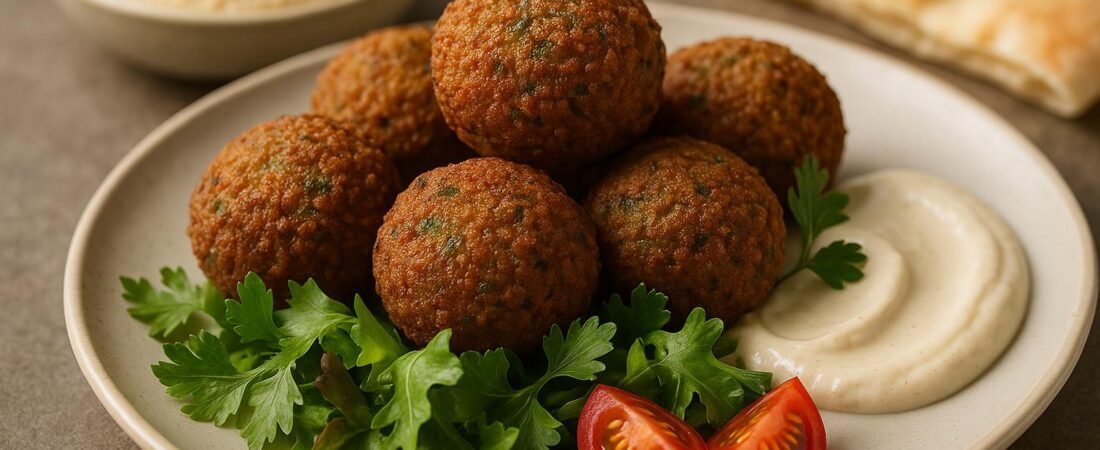
Falafel has become a beloved staple of Mediterranean cuisine across the globe, celebrated for its rich flavor, satisfying texture, and entirely plant-based composition. More than just a popular street food, falafel embodies centuries of culinary tradition while fitting seamlessly into modern preferences for nutritious, sustainable meals. Understanding its origins, nutritional profile, and preparation techniques can help you appreciate this dish on a deeper level—and prepare it confidently at home.
What is Falafel?
Origins and History of Falafel
The precise falafel history is contested, yet several narratives converge in the eastern Mediterranean and Middle Eastern regions. Many food historians trace its roots to Egypt, where Coptic Christians are believed to have prepared fried fava bean fritters as a meatless meal during religious fasts. Over time, this early version spread northward through trade routes and migration, evolving as it reached different communities.
As falafel traveled to the Levant—modern-day Lebanon, Syria, Palestine, Jordan, and Israel—cooks began substituting or combining fava beans with chickpeas. This change in falafel ingredients gave rise to the chickpea-based patties most familiar in international restaurants today. Each region adapted the spice blend, herb selection, and cooking techniques, producing nuanced local variations while maintaining the same essential concept: spiced legumes, ground, shaped, and fried.
In the 20th century, falafel emerged as a popular street food, particularly in bustling urban centers. Vendors served it in pita bread with salad and tahini sauce, making it an affordable, filling option for workers and travelers. With the global rise of vegetarian and vegan diets, falafel’s status shifted from regional specialty to international icon—a dish that bridges tradition and contemporary dietary trends.
Traditional Ingredients and Preparation
Traditional falafel preparation is deceptively simple, yet mastering it requires attention to detail. At its core, falafel relies on a base of dried legumes—either chickpeas, fava beans, or a blend of both. Crucially, the beans are not cooked before grinding. Instead, they are soaked in water for several hours or overnight, then drained thoroughly. This technique preserves their structure and helps the mixture bind without becoming mushy.
To the soaked legumes, cooks add fresh herbs such as parsley and cilantro, along with aromatics like onion and garlic. The seasoning usually includes ground cumin, coriander, salt, and black pepper. Some recipes incorporate a small amount of baking powder to lighten the texture. The mixture is then ground until it reaches a coarse, granular consistency—smooth enough to hold together, yet textured enough to yield a crisp exterior.
Once seasoned, the mixture is shaped into small balls or patties using wet hands or a special falafel scoop. They are then deep-fried in hot oil until the exterior turns a deep golden brown and the interior remains moist and tender. When done correctly, the result is a contrast of textures and flavors: crunchy outside, fragrant and delicate inside, with bright herbal notes and warm spices.
Health Benefits of Falafel
Nutritional Profile
Falafel offers an impressive array of nutritional benefits, making it much more than a comfort food. Its primary ingredient—chickpeas or fava beans—provides complex carbohydrates, dietary fiber, plant-based protein, and a spectrum of vitamins and minerals. This combination promotes lasting satiety and stable energy levels.
A typical serving of falafel (three to four small pieces) delivers a substantial amount of protein, as well as fiber that supports digestive health and may help regulate blood sugar. Chickpeas, in particular, are rich in folate, iron, phosphorus, and manganese. They also contain resistant starch and soluble fiber, which contribute to heart health by assisting in the management of cholesterol levels.
Herbs and spices further enhance the nutritional benefits of falafel. Parsley and cilantro bring antioxidants and vitamin K, while garlic and onions have been studied for their potential anti-inflammatory and cardiovascular-supportive properties. When falafel is prepared using high-quality oil and served with fresh vegetables, it becomes a balanced dish that can fit comfortably into many health-conscious eating patterns.
Falafel as a Plant-Based Protein Source
As demand for plant-based protein continues to rise, falafel stands out as a versatile and accessible option. It is inherently vegan, making it suitable for those avoiding animal products, as well as individuals looking to diversify their protein intake beyond meat and dairy.
The protein content in falafel can contribute meaningfully to daily requirements, especially when served alongside complementary foods such as whole grains or tahini sauce. Chickpeas and fava beans are not complete proteins on their own, but when consumed as part of a varied diet that includes foods like rice, bread, or seeds, they help provide a full spectrum of essential amino acids.
Because of its fiber and protein combination, vegan falafel can help curb hunger between meals and may be beneficial for weight management when prepared thoughtfully. Baking or air-frying, rather than deep-frying, further enhances its profile for those monitoring fat intake, while still preserving much of the characteristic flavor and texture.
How to Make Falafel at Home
Step-by-Step Recipe Guide
The following homemade falafel recipe is designed for reliability and authentic flavor. It uses dried chickpeas, which are essential for the proper texture.
- 1 cup dried chickpeas (do not substitute canned)
- 1 small onion, roughly chopped
- 3–4 cloves garlic
- 1 cup fresh parsley leaves, loosely packed
- 1/2 cup fresh cilantro leaves (optional but recommended)
- 1–1.5 teaspoons ground cumin
- 1–1.5 teaspoons ground coriander
- 1 teaspoon salt (adjust to taste)
- 1/2 teaspoon black pepper
- 1/4 teaspoon cayenne or chili flakes (optional, for heat)
- 1 teaspoon baking powder
- 2–3 tablespoons all-purpose flour or chickpea flour (as needed)
- Neutral oil for frying (such as sunflower, canola, or grapeseed)
1. Soak the chickpeas
Rinse the dried chickpeas and remove any debris. Place them in a large bowl and cover with plenty of cold water—at least triple their volume. Soak for 12–24 hours, then drain and pat dry. The chickpeas should be fully hydrated but still firm.
2. Prepare the mixture
In a food processor, combine the soaked chickpeas, onion, garlic, parsley, cilantro, cumin, coriander, salt, pepper, and cayenne if using. Pulse in short bursts, scraping down the sides, until the mixture resembles coarse, moist crumbs. It should hold together when pressed but not form a smooth paste.
3. Adjust texture and seasonings
Transfer the mixture to a bowl. Stir in the baking powder and 2 tablespoons of flour. Mix thoroughly, then test by forming a small ball. If it is too soft or falls apart, add a little more flour. Taste and adjust salt and spices as needed.
4. Rest the mixture
Cover the bowl and refrigerate for at least 30 minutes, and up to a few hours. This resting period allows the flavors to meld and the mixture to firm, improving its ability to hold shape during frying.
5. Shape the falafel
Using wet hands or a falafel scoop, form small balls or flattened patties, about the size of a walnut. Compress them gently but firmly to prevent cracking.
6. Fry the falafel
Pour oil into a deep pan or pot to a depth of 4–5 cm and heat to approximately 175–180°C (350–360°F). Fry a test piece first; it should sizzle and turn golden within a few minutes without disintegrating. Fry in batches, avoiding overcrowding. Turn as needed until evenly browned, then transfer to a paper towel–lined plate to drain.
7. Serve
Serve immediately while hot and crisp, accompanied by salads, sauces, and bread, or incorporate them into a broader Mediterranean-inspired meal.
Tips for Perfecting Your Falafel
Certain details can dramatically improve your results when making falafel at home. The most critical is the use of dried, soaked chickpeas rather than canned. Canned chickpeas are too soft and waterlogged, leading to dense, mushy patties that fall apart in hot oil. Proper soaking and thorough draining create the ideal structure.
Consistency is equally important. The mixture should be finely chopped enough to bind, yet retain some texture. Over-processing into a puree yields heavy, doughy falafel. Aim for a crumbly, moist mixture that compresses easily without oozing water. If it feels too wet, a small amount of flour or chickpea flour will help stabilize it.
Oil temperature can make or break the final texture. Oil that is too cool will cause the falafel to absorb excess fat and become greasy; too hot and the exterior will burn before the interior cooks through. A thermometer is useful, but you can also test by dropping a small piece of mixture into the oil: it should bubble actively and rise to the surface without darkening instantaneously.
For those seeking lighter alternatives, baking or air-frying is possible. Lightly brush or spray the shaped falafel with oil, arrange on a lined baking tray, and bake at around 200°C (390°F), turning once until golden. While the crust may be slightly less crisp than the deep-fried version, the flavor remains appealing and the nutritional benefits of falafel are preserved with reduced added fat.
Best Ways to Serve Falafel
Classic Falafel Dishes
Falafel shines in its traditional formats, many of which are iconic elements of Mediterranean cuisine. One of the most familiar is the falafel sandwich: warm pita bread filled with hot falafel, shredded lettuce or cabbage, tomato, cucumber, pickles, and a generous drizzle of tahini sauce. This combination balances textures and flavors—crisp, creamy, tangy, and fragrant.
Another classic approach is the falafel platter. Here, the patties are served alongside hummus, baba ghanoush, tabbouleh, and fresh or pickled vegetables. Pita or flatbread completes the plate, allowing diners to assemble each bite to their preference. This style of serving highlights falafel as part of a broader plant-based feast, showcasing the diversity and richness of regional culinary traditions.
In some settings, falafel appears in simple mezze spreads, offered as one of several small dishes to be shared. This encourages leisurely dining and conversation, emphasizing variety and balance rather than a single centerpiece dish.
Creative Falafel Serving Ideas
Beyond the classics, there are numerous falafel serving ideas that adapt this traditional food to contemporary tastes. For a lighter option, consider a falafel salad bowl: arrange mixed greens, roasted or raw vegetables, grains such as quinoa or bulgur, and top with warm falafel pieces. Finish with a tahini-lemon dressing or a yogurt-based sauce for contrast.
Falafel also works well as a filling for wraps and grain bowls. Combine it with brown rice, roasted sweet potatoes, leafy greens, and a sharp, herbaceous sauce for a substantial yet balanced meal. Crumbled falafel can stand in for ground meat in tacos or lettuce cups, paired with salsa, pickled onions, and a creamy dressing for a fusion-style dish that remains entirely plant-based.
For entertaining, miniature falafel balls can be served as canapés with various dipping sauces—tahini, spicy harissa, or a cooling cucumber yogurt dip. They can even be tucked into small flatbread triangles for bite-sized pockets. This approach underscores the versatility of falafel as a plant-based protein that lends itself to informal gatherings as easily as to everyday meals.
Conclusion
Falafel is more than a convenient street food; it is a culinary expression of history, culture, and modern nutritional insight. From its debated origins in the eastern Mediterranean to its role today as a widely appreciated vegan dish, it has remained true to its essence: seasoned legumes transformed through traditional falafel preparation into something greater than the sum of their parts.
By understanding its ingredients, recognizing the nutritional benefits of falafel, and learning how to execute a reliable homemade falafel recipe, you can incorporate this dish into your kitchen repertoire with confidence. Whether served in a classic pita sandwich, on a generous mezze platter, or in innovative, contemporary formats, falafel offers a satisfying way to enjoy plant-based protein that is both nourishing and deeply flavorful.
Discover More from Didier Lancelot
Amazon Author page: amazon.com/author/didierlancelot
Narmer Store: narmerstore.org
AI and Technology Ebooks
- Creative AI: Animated Drawings, Manga & Illustrations
- Build a Game with AI: The No-Code Guide
- AI Image Generation Made Easy
- Build a Website with AI: The No-Code Guide
- How to Connect AI to Your Blog: The Ultimate Automation Guide
- AI Productivity Habits: Get More Done in Less Time
- AI Avatars Made Easy
- The Book of AI Prompts: 100+ Proven Prompts
- Make Music with AI: Suno, Udio and AI Music Generators
- Click to Cash
- The Automated Edge: Outwork, Outpace, and Outperform with AI
- AI Side Hustle: How to Make Money with ChatGPT and AI Tools
- Work Smarter with AI
Health, Lifestyle and Home Ebooks
- Hidden Superfoods: The World’s Most Powerful Healing Foods
- Spanish Food: The Complete Cookbook for Authentic Home Cooking
- The Science of Happiness Explained
- The Psychology of Success
- The Secret Sauce of Consistency: What the Experts Don’t Tell You About Fitness
- The Complete Home Bartender’s Guide: Link 1 | Link 2
- Natural Beauty, Made Simple: Easy DIY Organic Skincare Recipes
- Garden Made Simple: Easy, Beginner-Friendly Techniques
- The Dog Training Bible