
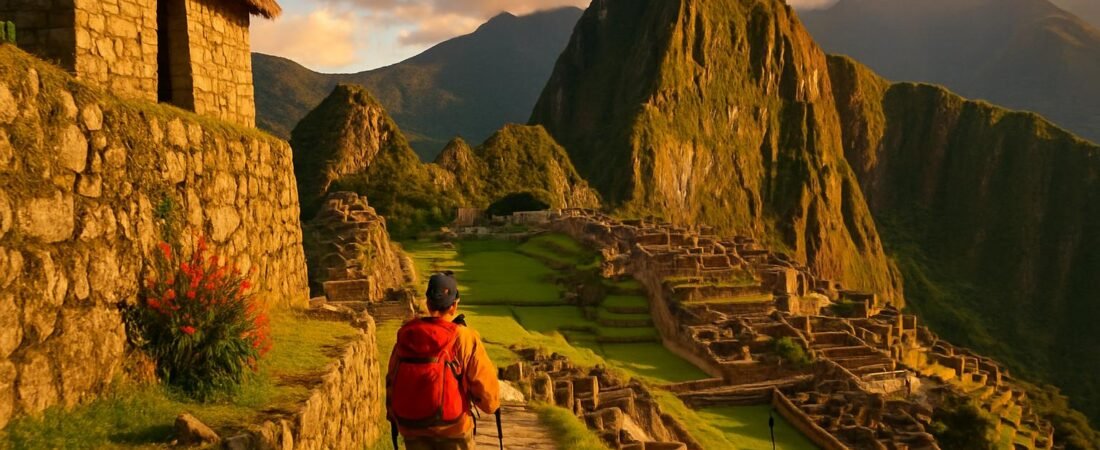
There are famous hikes, and then there’s the Inca Trail to Machu Picchu – a four-day pilgrimage through Andean cloud forest, misty granite passes and ancient stone pathways that have carried travelers for centuries. This isn’t just a walk to a viewpoint; it’s a slow, immersive arrival at one of the world’s most iconic archaeological sites, with every step building the anticipation.
If you love immersive experiences – from grabbing a pint in character-filled spots like historic bars in New York City to dining in surreal underwater restaurants – the Inca Trail is the outdoor equivalent: atmospheric, theatrical and unforgettable.
Why the Inca Trail Is So Special
There’s a quicker way to reach Machu Picchu: you can simply take the train and bus from Cusco. But the classic Inca Trail offers something the day-trippers don’t get – a deep sense of journey.
- Walking in ancient footsteps: Much of the route follows original Inca stone paths, laid without mortar but still remarkably intact. You’re literally trekking along the backbone of an empire.
- Dozens of ruins before the “main event”: The trail passes lesser-known Inca sites like Llactapata, Runkurakay, Sayacmarca, Phuyupatamarca and Wiñay Wayna. Many hikers say these quiet, semi-ruined cities in the clouds are just as moving as Machu Picchu itself.
- Dramatic Andean scenery: Over four days you’ll climb through high-altitude passes, walk along ridgelines with sweeping valley views, and dip into lush cloud forests where orchids, bromeliads and hummingbirds are common companions.
- The grand reveal: On the final morning, hikers reach the Sun Gate (Inti Punku) just after dawn. The first glimpse of Machu Picchu from here – usually veiled in early mist, then slowly revealed – feels like stepping into a legend.
This combination of landscape, history and suspenseful build-up is what has made the Inca Trail one of the world’s great bucket-list hikes.
What the Classic 4-Day Inca Trail Is Really Like
The “classic” Inca Trail is a roughly 43 km (26 mile) trek usually completed over four days and three nights, always with a licensed tour operator. Here’s how the experience generally unfolds:
Day 1: Gentle Start Through the Sacred Valley
Most treks begin with an early pickup from Cusco or the Sacred Valley, then a drive to Km 82, the classic trailhead. The first day is a relatively gentle warm-up along the Urubamba River, passing small villages, terraced fields and your first ruins at Llactapata.
You’ll camp in a designated site, get to know your group, and watch your porters perform superhero feats as they set up tents and cook hearty meals.
Day 2: Conquering Dead Woman’s Pass
This is the toughest day and the one most hikers psych themselves up for. You’ll climb steadily to Warmiwanusca, or “Dead Woman’s Pass,” the highest point of the trail at about 4,200 m (13,800 ft). It’s steep, the air is thin, and the steps seem endless – but reaching the pass and looking back over the valleys is a moment you won’t forget.
After the summit, a long descent takes you to camp. Your legs will feel it, but the sense of accomplishment is huge.
Day 3: Ruins, Ridges and Cloud Forest
If Day 2 is about physical challenge, Day 3 is about beauty. You’ll roll over smaller passes, visit atmospheric sites like Runkurakay and Sayacmarca, and follow a dramatic stone path along mountainsides, often skimming through cloud forest dripping with moss and ferns.
The day often ends near Wiñay Wayna, a spectacular complex of terraces and ritual baths clinging to a steep slope. Many hikers say it’s their favorite site on the trail, even compared to Machu Picchu.
Day 4: Sunrise at the Sun Gate and Machu Picchu
You’ll wake up painfully early (around 3–4 a.m.) to queue at the final checkpoint, then walk in the pre-dawn hush to the Sun Gate. As the sky lightens, Machu Picchu comes into view below, framed perfectly by the surrounding mountains – a goosebumps moment.
From there, it’s a final descent to the citadel itself, where your guide will lead a tour. Afterward, you’ll usually catch a bus down to Aguas Calientes and a train back toward Cusco.
Each operator runs things slightly differently, but you can expect long hiking hours, hearty meals, and simple but memorable campsites under the Andean stars.
Planning Your Inca Trail Adventure
Best Time to Hike
- Dry season (roughly May–September): Clearer skies, cooler nights, and the best chance of sweeping views. This is peak season, so permits sell out fast and campsites are busy.
- Shoulder months (April and October): A great compromise with fewer crowds, some showers, and lush scenery.
- Rainy season (November–March): Rains can make the trail slippery and visibility patchy. The Inca Trail is usually closed for maintenance in February.
Permits are limited and fixed per day year-round, so whichever month you choose, plan well ahead.
Permits and Booking
- The Inca Trail is strictly regulated; you must hike with a licensed tour operator that secures your permit.
- Permits often sell out several months in advance for popular dates (especially June–August). Book as early as you can.
- When comparing operators, look for responsible porter treatment, environmental policies, and clear inclusions (meals, equipment, bus and train tickets).
Because prices, availability and regulations can change, always check the operator’s and official tourism websites before committing.
Fitness and Altitude
You don’t need to be a mountaineer, but you should be comfortable with several hours of hiking, including steep ascents and descents on stone steps.
- Acclimatize: Spend at least 2–3 days in Cusco or the Sacred Valley beforehand to adjust to the altitude.
- Train smart: Regular walks, stair climbing, and hill hikes with a backpack in the weeks before your trip help a lot.
- Take it slow: Guides set a steady, manageable pace; the idea is to arrive, not to race.
What to Pack and Wear on the Inca Trail
Clothing Essentials
- Layering system: Lightweight moisture-wicking base layers, a warm mid-layer (fleece or light down) and a waterproof, windproof shell. Temperatures swing from hot sun by day to near freezing at night.
- Hiking pants and shorts: Quick-dry fabrics are key; many hikers like convertible pants.
- Good hiking boots: Sturdy, broken-in boots with decent ankle support and grip. Don’t bring them brand-new.
- Warm accessories: Hat, gloves, and warm socks for chilly evenings and high passes.
Gear to Bring
- Daypack: For water, snacks, camera, layers and rain gear. Many operators carry your main duffel via porters.
- Reusable water bottle or hydration bladder: Operators typically provide treated water after the first day; confirm before you go.
- Trekking poles: A knee-saver on steep descents; make sure they have rubber tips, as required on the trail.
- Sun and rain protection: Sunglasses, high-SPF sunscreen, lip balm, wide-brimmed hat and a compact poncho or pack cover.
- Headlamp: Essential for early starts and moving around camp at night.
Your operator may provide tents, sleeping mats and sometimes sleeping bags; double-check their gear list so you don’t overpack or miss anything important.
Food, Comfort and Little Luxuries
- Snacks: Your team will provide meals, but bring your favorite energy bars, nuts or chocolate for the trail.
- Toiletries: Biodegradable soap, hand sanitizer, toilet paper and a small pack towel.
- Extras: Lightweight sandals for camp, earplugs, and a small power bank for charging your phone or camera.
Budget, Comfort Level and Overall Experience
The Inca Trail can be done in different styles, but overall this is a mid-range experience, with options that tilt toward either budget or more comfortable “glamping.”
- Budget operators: More basic gear and meals, larger groups, simpler service. Can be good if you’re used to camping and don’t need frills, but research carefully.
- Mid-range operators: The most common choice: solid tents, good food, professional guides and reasonable group sizes. This is where most travelers land.
- Premium options: Smaller groups, upgraded tents and pads, extra dining comforts and sometimes hotel nights before/after built in. Think of it as the trek equivalent of choosing something a bit special, like a splurge dinner at an atmospheric restaurant in the Maldives.
Remember, you’re also paying for permits, park fees, porter support, transport and guides – not just the hike itself. Since specifics change regularly, check inclusions and the operator’s site before booking.
From Dream to Departure
Hiking the Inca Trail to Machu Picchu is one of those rare adventures that lives up to the daydream. The switchbacks are steep, the altitude is real, and you’ll probably end a few days coated in trail dust – but you also get sunrise over green mountains, silent ruins hidden in the mist, and that once-in-a-lifetime moment at the Sun Gate.
If you’re drawn to experiences with atmosphere and story – whether it’s catching a show at a historic cinema like Le Grand Rex in Paris or sharing a drink in a storied bar – the Inca Trail is the outdoor epic you’ve been looking for. Start training, start researching operators, and start picturing that first view of Machu Picchu appearing through the morning cloud. The path is ancient, but the adventure will feel entirely your own.
About the Author
Didier Lancelot is an independent author and creator of the Everyday AI Series, with books on technology, travel, cooking, wellness and personal growth written in plain language. Explore all his books on his Amazon Author page or visit Narmer Store.