
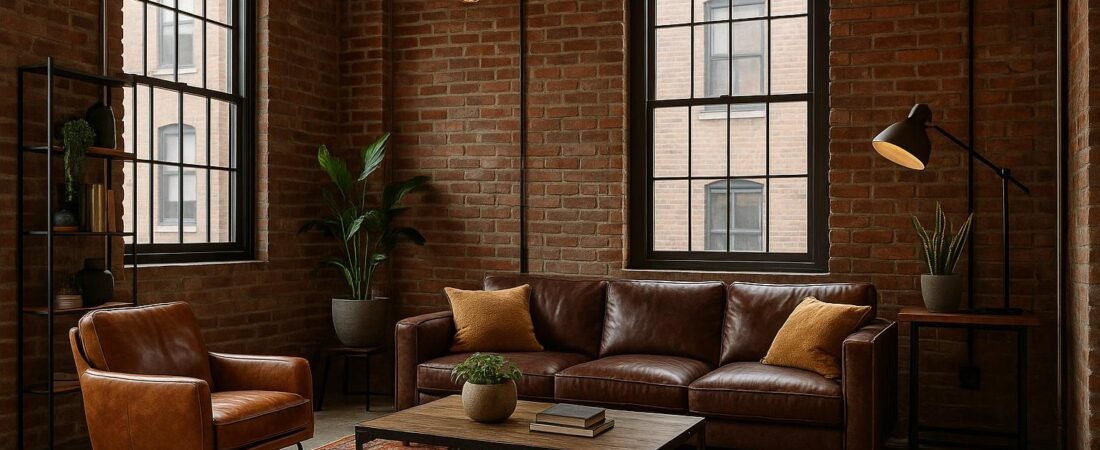
Industrial Interior Design Ideas with Urban Charm
Industrial interior design has come a long way from cold concrete boxes and stark lofts. The 2026 version is still cool and urban, but it’s also warmer, softer, and far more livable. Think exposed brick, steel, and concrete carefully balanced with cozy textiles, layered lighting, and a richer, earthier color palette.
If you love the city-loft aesthetic but don’t want your home to feel like a warehouse, this guide will walk you through modern industrial interior design ideas that blend authentic grit with inviting urban charm.
What Is Modern Industrial Interior Design?
Classic industrial style was born from converted factories and warehouses: open floor plans, exposed structure, and utilitarian finishes. The current evolution keeps those bones but shifts the focus toward comfort, wellness, and warmth.
Today’s industrial interiors are defined by:
- Exposed materials: Brick, concrete, steel, visible ductwork, and structural elements left in view.
- Open layouts: Loft-like spaces with minimal walls and plenty of natural light.
- Reclaimed and vintage pieces: Aged leather, reclaimed wood, and furniture with patina and history.
- Statement lighting: Metal pendants, cage lights, and sculptural fixtures as focal points.
- Intentional minimalism: Less ornamentation, more function, and a focus on quality over clutter.
The key difference now is balance: industrial design is less about looking “unfinished” and more about layering texture, color, and light to create spaces that feel both urban and deeply livable.
Core Elements of Industrial Style with Urban Charm
1. Mix Hard and Soft Materials
Industrial interiors are all about contrast. Hard surfaces give the style its edge; soft materials make it feel human and comfortable.
- Pair exposed brick or concrete walls with wool, linen, or bouclé upholstery.
- Soften polished concrete or raw wood floors with generous area rugs and runners.
- Combine steel-framed furniture with plush cushions, throws, and tactile fabrics.
- Use leather (especially aged or distressed) to bridge the gap between hard and soft.
This mix preserves the industrial character while avoiding the echoey, cold feel of an empty warehouse.
2. Embrace Exposed Structure (But Make It Intentional)
Exposed beams, columns, ductwork, and brick are still at the heart of industrial design, but the way you present them matters.
- Highlight brick walls with warm, angled lighting rather than leaving them in shadow.
- Paint exposed pipes or ducts in a cohesive tone (matte black, deep charcoal, or warm white) to make them feel designed, not forgotten.
- Keep ceiling beams natural or stained for a rustic-industrial blend.
- Use steel-framed glass partitions to define areas without closing off light or views.
The goal is to showcase structure as character, not as leftover construction.
3. Use Warmer Metals and Mixed Finishes
Matte black hardware still has its place, but the most current industrial interiors lean into warmer, more refined metal tones.
- Swap some black fixtures for brushed brass, bronze, or antique gold for a soft, urban glow.
- Mix black steel and warm brass in lighting or hardware for a curated look.
- Choose satin or brushed finishes over high gloss to maintain a grounded, industrial feel.
- Anchor the room with one dominant metal and use others as accents to avoid visual chaos.
This shift instantly takes industrial design from purely edgy to elegantly urban.
4. Lean into Warm Neutrals and Earth Tones
The era of all-gray, all-black industrial interiors is fading. Instead, the palette is expanding to include richer, earthier tones that complement raw materials.
- Base your scheme on warm neutrals: sand, taupe, mushroom, cream, and warm gray.
- Layer in earth tones: terracotta, clay, muted olive, rust, and deep brown.
- Keep black and charcoal as grounding accents in frames, lighting, and hardware.
- Use one deeper color (like olive, charcoal, or rust) to give depth to a feature wall or large piece of furniture.
These hues sit beautifully against brick, wood, and metal, making industrial spaces feel more inviting and less austere.
5. Add Greenery to Soften the Edges
Biophilic touches are an easy way to soften the sharp lines of industrial design and improve the atmosphere of city homes.
- Use large potted plants (like fiddle leaf figs or rubber trees) to fill negative corners.
- Introduce trailing plants on open shelving to break up straight lines.
- Try industrial-style planters in concrete, metal, or matte ceramic for cohesion.
- In small spaces, opt for wall-mounted planters or a simple row of herbs in the kitchen.
Greenery instantly adds warmth, color, and a sense of wellness to industrial interiors.
6. Choose Sculptural and Artisanal Pieces
Industrial design used to lean heavily on purely utilitarian objects. The modern approach still values function, but favors pieces with craft and personality.
- Look for handmade ceramics, sculptural vases, or artisanal bowls on coffee tables and shelving.
- Choose furniture with interesting silhouettes—curved sofas, angular chairs, or live-edge tables.
- Incorporate textured art or wall hangings instead of flat, mass-produced prints alone.
- Mix in a few vintage or reclaimed items that tell a story: old factory stools, vintage signage, or a reclaimed workbench as a console.
This elevates industrial style from “converted warehouse” to “curated urban loft.”
7. Prioritize Layered, Warm Lighting
Lighting is one of the biggest differentiators between a harsh, echoing space and an inviting industrial home.
- Combine ambient lighting (ceiling fixtures), task lighting (desk lamps, reading lights), and accent lighting (wall washers, picture lights).
- Use warm white bulbs for a cozy, evening-friendly glow.
- Highlight industrial character with cage pendants, metal sconces, and Edison-style bulbs used thoughtfully, not excessively.
- Consider dimmers so brightness can shift from work mode to relaxed evenings.
Layered lighting lets you enjoy the drama of industrial features without sacrificing comfort.
Room-by-Room Industrial Interior Design Ideas
Industrial Living Room with Urban Charm
The living room is where industrial style can feel both bold and welcoming if you balance materials and scale.
- Anchor the room with a large rug. Choose a textured neutral or subtle pattern to soften hard floors and define the seating area.
- Invest in a quality sofa. A leather or linen sofa in tan, cognac, charcoal, or warm gray sets the tone for the space.
- Add a reclaimed wood coffee table. Look for simple, solid designs with metal legs or a chunky wood base.
- Highlight brick or concrete walls. Keep them visible and pair with understated artwork or a large, simple mirror.
- Use metal floor and table lamps. Industrial-inspired lamps with articulating arms or cage shades add both style and function.
- Layer textiles. Cushions in wool, bouclé, or washed linen and a soft throw push the space firmly into “cozy loft” territory.
Keep decor minimal but meaningful—a few well-chosen objects and a stack of books are often enough.
Industrial Kitchen with City-Loft Character
An industrial kitchen is the perfect place to showcase functional design and strong material contrasts.
- Opt for open shelving. Wood shelves with black steel brackets keep the space airy and provide a chance to display everyday ceramics and glassware.
- Choose simple, durable cabinetry. Flat-front doors in matte black, deep gray, or warm white pair well with industrial elements.
- Select practical countertops. Wood, concrete, or stone-look surfaces all suit the style; balance harder finishes with warm lighting.
- Use statement pendant lights. Hang a row of metal cage, dome, or globe pendants above an island or dining bar.
- Upgrade hardware. Black, brass, or mixed-metal handles and taps add a refined industrial edge.
- Bring in greenery. A line of herbs, a trailing plant, or a large potted tree softens tile and metal.
If space allows, add counter-height stools with metal frames and wood or leather seats for a relaxed, urban feel.
Industrial Bedroom That Still Feels Soft
In the bedroom, the goal is to preserve industrial character without sacrificing calm and comfort.
- Start with a simple bed frame. A metal bed or streamlined upholstered frame works well; avoid overly ornate designs.
- Choose layered, natural bedding. Linen, cotton, and wool in soft neutrals with one or two deeper accent tones (olive, charcoal, rust) feel both modern and restful.
- Keep the palette restrained. Let texture—rather than color—do most of the work.
- Add warm, low-level lighting. Wall sconces, bedside pendants, or small table lamps create a cozy, hotel-like ambience.
- Consider a warm accent wall. Clay, terracotta, deep taupe, or muted green against metal or wood adds depth without overwhelming.
- Include a soft rug. A large rug under the bed or layered runners lessen the hardness of concrete or wood floors.
Limit visible storage where possible; clutter quickly breaks the calm of an industrial bedroom.
Industrial Workspace or Home Office
Industrial interiors are naturally suited to creative, productive workspaces, especially in urban apartments and lofts.
- Use steel-framed glass partitions. They create a defined office while preserving light and an open feel.
- Choose a solid, simple desk. Wood and metal combinations feel robust and grounded.
- Add industrial task lighting. Anglepoise-style lamps, clamp lights, or articulated wall lamps provide focused illumination.
- Incorporate open shelving. Metal brackets with wood shelves echo the industrial theme and keep work essentials accessible.
- Soften the space. A comfortable, ergonomic chair in fabric or leather, a rug underfoot, and a plant or two make long hours more pleasant.
Keep cables and equipment tidy; industrial style embraces visible structure, but not visual noise.
Practical Tips for Bringing Industrial Style into Any Home
Work with What You Have
You don’t need an exposed-brick loft to create an industrial interior.
- Highlight existing materials like wood floors, concrete columns, or simple plaster walls with industrial-inspired lighting and furniture.
- Use faux finishes (like limewash, textured paint, or brick-effect panels) selectively to suggest industrial character.
- Introduce the style through movable pieces—lighting, side tables, shelving, and decor—rather than major construction.