
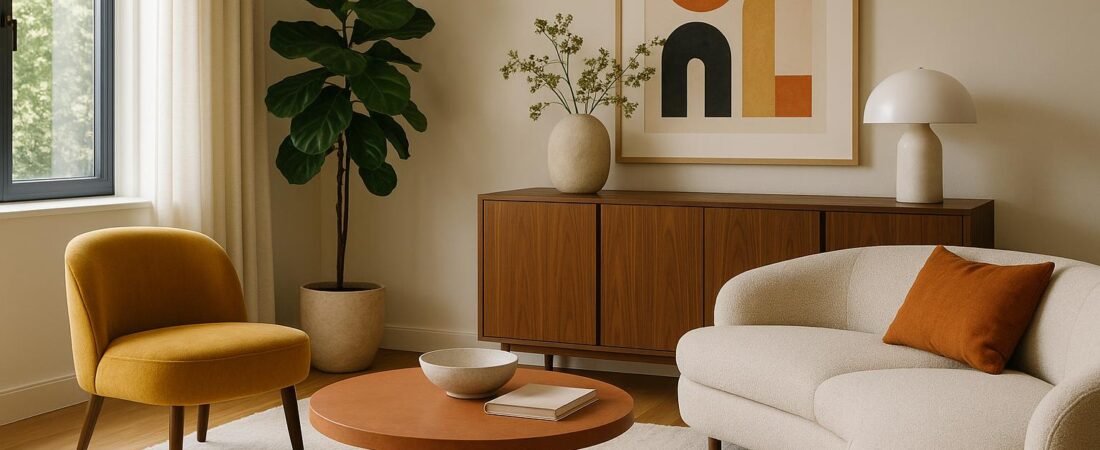
Modern interiors are in the middle of a quiet revolution. The cool, hyper-minimal homes that dominated Instagram for years are giving way to spaces that feel warmer, softer, and more deeply personal. In 2026, the most influential interior design trends are less about perfection and more about creating modern homes that are textured, collected, and genuinely lived in.
Below, we’ll look at the key trends defining modern interiors now, what’s fading out, and how to translate these ideas into your own home in a way that feels current but not quickly dated.
What’s Fading: The End of Sterile Minimalism
One of the clearest shifts in modern interior design is what people are moving away from:
- All-white everything – Stark white walls, white sofas, and glossy finishes are being replaced with warmer neutrals and richer tones.
- Showroom-style perfection – Spaces that look untouched or staged feel out of step with how people actually live at home.
- Overly curated minimalism – Bare walls, empty surfaces, and identical furniture sets are being traded for character, patina, and personal pieces.
In their place: interiors that still feel streamlined and modern, but also layered, tactile, and emotionally warm.
1. Warm, Lived-In Minimalism
Minimalism isn’t disappearing; it’s maturing. The new minimalism is softer and more forgiving, focused on calm rather than strictness.
Key characteristics
- Fewer, better pieces that are comfortable as well as beautiful.
- Warmer palettes—think oatmeal, mushroom, camel, and greige instead of stark white and cold gray.
- Soft edges and plush upholstery instead of hard, linear silhouettes everywhere.
- Visible life—a stack of books, a throw over the sofa, a lamp left on—rather than the feeling that nothing is ever used.
To bring this look home, edit out what you don’t use, then layer back in warmth through textiles, lighting, and natural materials. The result is a space that feels relaxing and intentional, but not precious.
2. Natural Materials and Honest Texture
Nature-based design has moved from a niche idea to a core principle of modern interiors. In 2026, it’s not just about adding a few plants; it’s about using materials that have depth and authenticity.
Materials to watch
- Wood with visible grain—oak, walnut, ash, rift-cut finishes, and even reclaimed boards.
- Stone like travertine, limestone, marble, and soapstone in honed or textured finishes.
- Clay and terracotta in tiles, vessels, and decorative objects.
- Textiles such as linen, bouclé, wool, and heavy cotton with a tactile hand.
- Woven elements in caning, jute, sisal, raffia, and rattan.
The emphasis is on visible texture—finishes you can see and feel. Matte and honed surfaces are preferred over high-gloss, which can read as colder and more formal.
3. Curves and Organic Silhouettes
Curved forms have been building momentum for several seasons, and they’re now central to modern interior design. They instantly soften a room and break up rigid architectural lines.
Where curves are showing up
- Sofas and armchairs with rounded backs and sloping arms.
- Coffee and side tables in organic, pebble-like shapes.
- Arched doorways and openings that make transitions feel more fluid.
- Curved kitchen islands and softened corners in cabinetry.
- Lighting and decor with sculptural, rounded profiles.
You don’t need to rebuild your home to tap into this trend. Start with one or two curved pieces—a rounded accent chair, an oval dining table, or an arched floor lamp—to offset boxier furniture and bring a more organic flow to the room.
4. Earthy and Saturated Color Palettes
Color is returning to modern homes in a big way, but it’s not the neon or ultra-bright palettes of the past. The new direction is earthy, moody, and saturated.
Colors defining 2026 interiors
- Rich browns like chocolate, coffee, and tobacco.
- Deep reds and plums—burgundy, oxblood, fig, and mulberry.
- Greens ranging from olive and moss to deep forest.
- Smoky blues and inky blue-grays that feel cocooning rather than coastal.
- Terracotta and clay tones that add warmth without feeling loud.
Hue drenching: immersive color
A standout 2026 idea is hue drenching—painting walls, trim, doors, and sometimes even ceilings in the same or closely related shade. This enveloping approach creates mood and depth, especially in bedrooms, dining rooms, and cozy living spaces.
If you’re cautious about strong color, experiment in smaller rooms first (a powder room, office, or guest bedroom) or try rich tones on cabinetry, interior doors, or soft furnishings.
5. Pattern and Layered Textures
Flat, ultra-uniform rooms are giving way to more visually layered spaces. Pattern and texture are used together to create dimension without overwhelming the eye.
How pattern is returning
- Wallpaper with botanical, geometric, or heritage-inspired prints.
- Patterned upholstery and accent chairs in checks, stripes, and small-scale florals.
- Decorative flooring—parquet, checkerboard stone, patterned tiles, or inlaid designs.
- Textured walls using limewash, plaster, or subtle paint techniques.
The key is layering with intention. Mix scales (a large-scale rug, medium-scale wallpaper, and small-scale upholstery pattern) and keep a consistent color story so the room feels cohesive rather than chaotic.
6. Traditional Details with a Modern Twist
“Modern heritage” is one of the most influential design attitudes of the moment. It blends traditional architectural details with contemporary furniture and finishes, creating spaces that feel rooted but not stuffy.
Elements of modern heritage interiors
- Crown molding and millwork paired with minimalist lighting and clean-lined furnishings.
- Paneled walls or picture-frame molding painted in deep, saturated hues.
- Classic patterns like checks, stripes, or herringbone used on modern silhouettes.
- Vintage or antique pieces alongside contemporary designs for contrast.
This approach works particularly well in older homes, but it can also add character to newer builds—simple applied molding, a traditional-style fireplace surround, or a statement ceiling detail can shift a space from generic to distinctive.
7. Personal, Collected Spaces
The most definitive shift in modern interiors is toward homes that feel deeply personal. People are looking beyond “copy-and-paste” looks and investing in spaces that reflect their own histories, interests, and daily lives.
From curated to collected
- Books on display—not just as color-coordinated decor, but as an honest reflection of what you read and love.
- Meaningful objects—heirlooms, travel finds, handmade ceramics, original art.
- Mixed eras and styles rather than a single “theme.”
- Visible hobbies—a piano, a craft table, a record collection, or framed photography.
Book drenching and library walls
One striking 2026 feature is book drenching: entire walls or rooms lined with bookshelves, sometimes even wrapping windows or doorways. These library walls turn storage into statement architecture and instantly make a room feel more intellectual, lived-in, and soulful.
Even in a small space, a single full-height bookcase or a built-in around a doorway can create this effect and double as a backdrop for video calls or entertaining.
8. Boutique-Hotel Bedrooms and Suite-Like Spaces
Bedrooms are evolving into small personal sanctuaries that borrow ideas from boutique hotels and spa-like retreats. Comfort and sensory experience are central.
Key features of the new bedroom
- Plush bedding with layered duvets, quilts, and multiple pillow types.
- Soft, enveloping color on walls and textiles for a cocooning feel.
- Thoughtful lighting—wall sconces, reading lights, dimmers, and warm temperature bulbs.
- Suite-style zoning with a small seating area, vanity, or desk integrated into the room.
- Textured window treatments like heavy linen drapes or layered blinds and curtains.
If a full bedroom makeover isn’t in the cards, start with upgraded bedding, better lighting, and a more cohesive color palette. These three changes alone can transform how the space feels.
9. Sculptural Stone and Decorative Flooring
Surfaces are becoming more architectural and expressive. Stone, tile, and wood aren’t just practical choices; they’re focal points.
Sculptural stone
- Stone plinths and side tables used like art pieces.
- Monolithic sinks and vanities in bathrooms and powder rooms.
- Chunky stone coffee tables and consoles with bold veining or texture.
Decorative flooring
- Checkerboard floors in stone or tile, especially in entryways and kitchens.
- Herringbone and chevron wood adding subtle pattern and movement.
- Patterned tiles used to define zones in open-plan spaces.
These elements work best when balanced with simpler surroundings: think a sculptural stone table in an otherwise pared-back living room, or a checkerboard floor with plain walls and clean cabinetry.
10. Wellness, Functionality, and Smart Living
Modern design is no longer just about how a space looks; it’s equally about how it supports your life and well-being. Wellness and functionality have moved from “nice extras” to core design considerations.
Wellness-focused design ideas
- Better natural light through window treatments that can fully open and reflectivity-conscious finishes.
- Dedicated recharge zones—reading corners, meditation spots, or tech-free areas.
- Air quality and acoustics addressed through plants, textiles, rugs, and acoustic panels.
Smart and accessible features
- Smart lighting and climate control that adjust to routines and save energy.
- Integrated storage to reduce visual clutter and support daily habits.
- Universal design details—wider clearances, lever handles, and thoughtful layouts that work for all ages and abilities.
The common thread is ease: homes that work with you, not against you, and that feel restorative at the end of the day.
Bringing 2026 Interior Design Trends into Your Home
To update your home without chasing short-lived fads, focus on the underlying shifts rather than specific “must-have” items:
- Choose warmth over starkness in color, materials, and lighting.
- Prioritize texture through textiles, finishes, and natural materials.
- <