
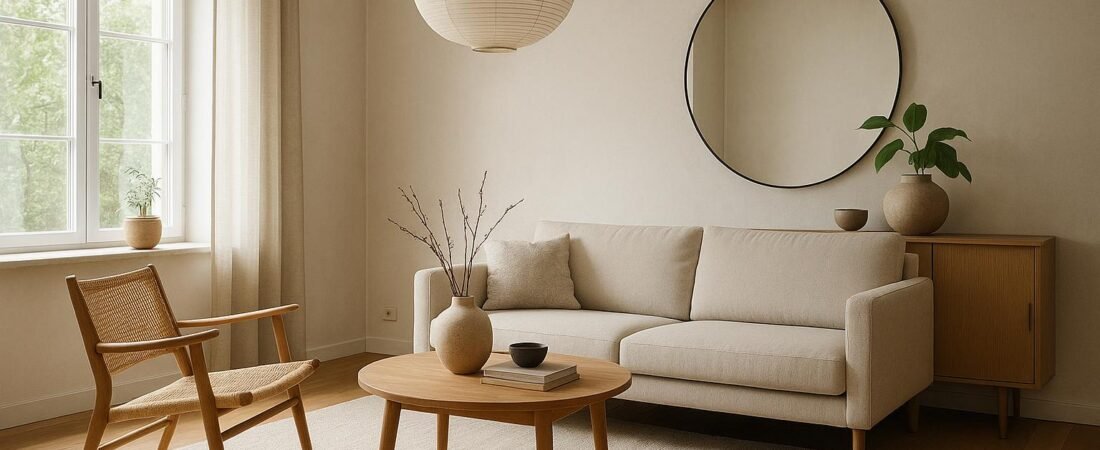
Japandi Interior Design: Where Japan Meets Scandinavia
Japandi has quietly moved from niche Pinterest boards to the heart of mainstream interior design. In 2026, it’s no longer just about beige rooms and stark minimalism. The most interesting homes embracing this look now feel warmer, softer, and far more lived-in.
At its core, Japandi is a thoughtful fusion: the calm restraint of Japanese minimalism meets the cozy functionality of Scandinavian design. If you’re craving a home that feels peaceful, intentional, and visually quiet—but still warm and welcoming—Japandi is the style to watch.
What Is Japandi, Exactly?
Japandi is a hybrid interior design style that blends:
- Japanese minimalism – guided by wabi-sabi, the idea that there is beauty in imperfection, patina, and the passage of time.
- Scandinavian design – known for hygge, a sense of coziness, well-being, and practical comfort.
Put together, you get a look that is calm but not cold, minimal but not empty. Japandi interiors favor simplicity and restraint, but they’re softened with natural materials, comfortable textures, and a lived-in feel.
Key Principles of Japandi Design
1. Calm, Intentional Spaces
Japandi is a direct response to visually noisy, cluttered interiors. The aim is to create rooms that feel restorative—places where your eye can rest. Every piece has a purpose, and empty space is treated as valuable as any object.
2. Wabi-Sabi Meets Hygge
- Wabi-sabi encourages you to embrace imperfection: a slightly uneven ceramic vase, a knotted wood tabletop, or linen with a natural crinkle.
- Hygge adds human warmth: a soft throw, a reading lamp, a cozy chair placed to catch the morning light.
The result is an interior that feels serene but not sterile, curated but not precious.
3. Function First, Then Beauty
Both Japanese and Scandinavian design place a strong emphasis on functionality. Storage is built in, furniture is practical, and decorative objects are chosen carefully. Beauty emerges not from excess, but from well-made pieces that are genuinely used.
The Japandi Look: How to Recognize It
Clean Lines and Low-Profile Furniture
Japandi spaces typically feature low, grounded pieces—sofas closer to the floor, platform beds, simple benches, and coffee tables with a solid, reassuring presence. Lines are clean and geometric, but with softened edges and comfortable proportions.
Uncluttered Layouts and Negative Space
There is space between objects, walls, and furniture. Surfaces aren’t overloaded; shelves hold a few meaningful items instead of dozens of knick-knacks. This negative space is what allows the texture and form of what’s there to truly stand out.
Connection to Nature
Natural materials are non-negotiable in Japandi interiors. Common elements include:
- Light or mid-tone woods (oak, ash, beech, cedar-like tones)
- Linen, cotton, and wool textiles
- Stone and ceramic accents
- Greenery and branches rather than elaborate floral arrangements
The palette and materials work together to create a subtle indoor–outdoor dialogue, even in city apartments.
2026 Japandi: Warmer, Softer, More Textured
The latest evolution of Japandi moves away from the ultra-cool, almost gallery-like spaces that dominated early interpretations. The 2026 direction is distinctly warmer and more tactile.
The New Japandi Color Palette
Instead of stark white and high-contrast black, the current Japandi palette leans into:
- Soft neutrals: mushroom, warm white, putty, greige
- Grounding browns: caramel, coffee, walnut, chocolate
- Earth tones: terracotta, clay, sand, stone
- Deep accents: charcoal, inky indigo, olive green, cedar-inspired shades
These hues keep the look minimal, but add comfort, depth, and a sense of quiet richness.
Texture Over Perfection
Another major shift: surfaces are becoming more tactile and visibly “real.” Designers are deliberately choosing:
- Hand-thrown ceramics with irregular rims
- Open-grain wood with knots and variations
- Limewash or matte, slightly textured walls
- Natural fiber rugs (jute, sisal, wool) with subtle variation
The emphasis is on touchable, handcrafted surfaces rather than glossy finishes and showroom-perfect perfection.
Layered, Low-Level Lighting
Japandi homes in 2026 rely less on a single overhead light and more on layered sources to shape mood:
- Soft, diffuse floor and table lamps
- Wall lights that wash light gently across surfaces
- Paper, rice, or fabric shades that soften brightness
- Layouts that maximize daylight and sightlines to windows
This lighting approach reinforces the calming, cocoon-like feel of the style.
Why Japandi Is So Popular Right Now
Japandi’s rise is not just about how it looks—it’s about how it feels to live in these spaces.
- Calm in a busy world: With constant digital noise and visual clutter, there is a strong desire for interiors that feel like a reset, not another source of stimulation.
- Intentional living: Japandi aligns with a “buy less, buy better” mindset. People want fewer, higher-quality pieces and homes that reflect mindful choices.
- Cross-cultural appeal: The blend of Eastern and Northern European design languages resonates globally, from compact city apartments to larger family homes.
- Sustainability: The focus on natural materials, longevity, and craftsmanship fits neatly with more sustainable design values.
The result is a style that feels both contemporary and timeless—rooted in clear principles, yet flexible enough to evolve.
How to Create a Japandi Interior at Home
You don’t have to renovate your entire home to move toward Japandi. Start with a single room and use these practical steps.
1. Start with a Neutral Base
- Choose warm, soft neutrals for walls: think mushroom, warm white, or light greige.
- If you have bright white walls, soften them visually with warm-toned textiles and wood.
- Keep patterns minimal and subtle; let color and texture do the work.
2. Prioritize Natural Materials
Whenever you replace or add something, ask if it can be natural instead of synthetic:
- Swap glossy finishes for matte or satin.
- Choose wood over high-shine metal where practical.
- Layer linen or cotton curtains, wool throws, and natural fiber rugs.
Over time, these changes build a more grounded, tactile environment.
3. Keep Furniture Low, Simple, and Functional
- Opt for low sofas and beds with clean lines, no heavy ornamentation.
- Choose furniture with visible legs and lightness, but enough solidity to feel stable.
- Look for hidden storage in benches, sideboards, or under-bed drawers to reduce visual clutter.
Think about how you live day-to-day. Japandi pieces should support real use, not just look good in photos.
4. Embrace Negative Space
- Leave breathing room around major furniture pieces.
- Resist filling every wall or surface; choose one or two focal points.
- Curate open shelving with only a few items and plenty of open space.
This restraint is what gives Japandi its characteristic sense of calm.
5. Add Organic Texture and Handcrafted Objects
- Introduce woven baskets, ribbed ceramics, tactile cushions, and knitted throws.
- Display one or two handcrafted pieces: a wooden bowl, a ceramic tea set, a handwoven wall hanging.
- Let small imperfections show—chips, glaze variations, and knots create personality.
These details prevent a neutral space from feeling flat or impersonal.
6. Layer Warmth With Textiles and Light
- Use multiple light sources at different heights: a floor lamp, a table lamp, and a wall light instead of a single central fixture.
- Choose warm white bulbs for a softer glow.
- Layer textiles—rugs, cushions, throws—within the range of your palette so the room feels cohesive and inviting.
Lighting and textiles are often the easiest way to move an existing room toward Japandi without major purchases.
Room-by-Room Japandi Ideas
Living Room
- Anchor the space with a low, neutral sofa and a simple wooden coffee table.
- Add a wool or jute rug that covers a generous portion of the floor for warmth.
- Keep the color palette tight: two or three neutrals, plus one deep accent tone (charcoal, olive, or indigo).
- Use a large plant or sculptural branch arrangement as a focal natural element.
Bedroom
- Choose a low-profile bed frame in wood, with simple bedding in layered tones of white, mushroom, and taupe.
- Replace harsh overhead lights with bedside lamps or wall sconces.
- Keep surfaces clear, with just one or two meaningful objects—such as a ceramic bowl, a book, or a small vase.
Kitchen and Dining
- Opt for flat-front cabinets in wood or painted in a calm neutral.
- Keep open shelving curated: a few everyday ceramics, a wooden cutting board, glass jars.
- Choose a simple wooden dining table with comfortable, unfussy chairs.
- Use linen napkins, a neutral table runner, and a single centerpiece branch for understated warmth.
Common Mistakes to Avoid
- Going too cold or stark: Pure white walls, black accents, and hard surfaces with no texture can feel clinical. Add warmer tones and textiles.
- Over-accessorizing: Japandi is curated by nature. If a shelf or surface feels busy, remove a few items and let the rest breathe.
- Mixing too many styles: Mid-century, industrial, and boho pieces can be integrated selectively, but keep Japandi’s simplicity and material palette consistent.
- Choosing style over comfort: If a chair looks great but is uncomfortable, it doesn’t align with Japandi’s focus on livability.
Japandi as a Long-Term Design Direction
Unlike fast-moving trends, Japandi is anchored in enduring values: simplicity, craftsmanship, restraint, and comfort. Its 2026 evolution toward warmer colors, richer texture, and softer minimalism suggests it’s adapting to how people actually live, not just how interiors photograph.
If you’re drawn to calm, intentional spaces that feel both contemporary and timeless, Japandi offers a clear, flexible framework. Start small—change a palette, edit your belongings, add a few natural materials—and let the style evolve room by room. Over time, you’ll create a home that doesn’t just look serene, but genuinely supports the way you want to live.