
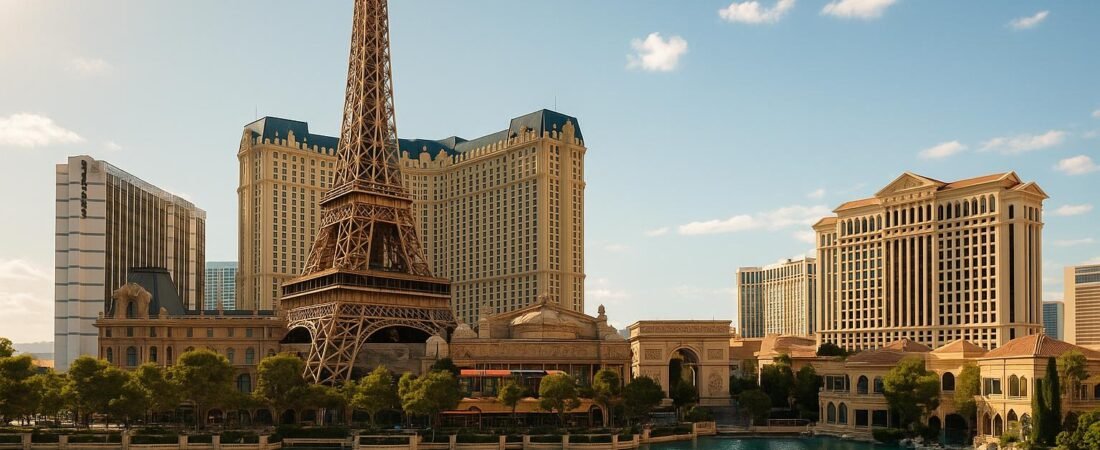
Las Vegas is a city of superlatives: brighter, louder, bigger, and more theatrical than almost anywhere else on earth. Yet beyond the shimmering Strip and its neon skyline lies a surprisingly diverse destination, from gourmet restaurants and luxury hotels to desert trails and contemporary art. This guide distills the essentials—when to go, what to see, where to stay, and how to eat exceptionally well—so you can craft a Las Vegas itinerary that suits your style, whether you are a first-time visitor or a returning traveler looking for new experiences.
Best Time to Visit Las Vegas
Seasons Overview
Las Vegas is a true desert city, with low humidity, intense sunshine, and dramatic temperature swings between day and night. Your ideal travel window will depend on how you plan to spend your time.
Spring (March–May) is often considered the most pleasant season. Daytime temperatures usually range from the low 70s to upper 80s Fahrenheit (around 21–31°C), perfect for walking the Strip, lounging by resort pools, or making a day trip to Red Rock Canyon. Hotel rates can rise around spring break and major conventions, but the overall balance of weather and cost is favorable.
Summer (June–August) brings intense heat. It is not unusual for daytime highs to top 105°F (40°C) or more. If you tolerate heat well and plan to spend most of your time in air-conditioned casinos, restaurants, and entertainment venues, summer can still work—especially as you might find discounts on accommodations, particularly midweek. However, outdoor activities are best scheduled for early morning or after sunset.
Autumn (September–November) offers a second sweet spot. September can still be hot, but by October and November the temperatures become noticeably more comfortable. Pool scenes are active through early fall, and the city’s energy builds as major sporting events and conferences return. This period is excellent for couples’ getaways and food-focused trips, as restaurant reservations are generally easier to secure than during peak holidays.
Winter (December–February) in Las Vegas is milder than in many North American cities, with highs often in the 50s and 60s°F (10–18°C) and cool desert nights. The holiday season transforms the Strip with elaborate displays, ice rinks, and special shows. New Year’s Eve is one of the city’s busiest nights, with corresponding spikes in hotel rates and crowds. Outside of that peak, winter can be a good value season, especially for midweek stays, and ideal if you prefer exploring without the heat.
Special Events and Festivals
Las Vegas hosts a steady stream of high-profile events that can significantly shape both atmosphere and pricing. Planning around them—either to join in or to avoid the crowds—will improve your experience.
- New Year’s Eve: One of the most dramatic nights in Las Vegas. The Strip is closed to traffic, fireworks erupt from resort rooftops, and parties run into the early morning. Book accommodation months in advance if you intend to be here for the festivities.
- Major Fight Nights & Sports Events: Championship boxing, UFC events, and marquee games, including NFL matchups at Allegiant Stadium, draw global visitors. Expect elevated room rates and high demand at restaurants and bars, especially near the hosting venues.
- Music and Cultural Festivals: Events such as the Life is Beautiful Festival in Downtown Las Vegas bring headlining artists, street art, and culinary pop-ups, transforming the area into a walkable, open-air celebration. Other recurring festivals highlight everything from electronic music to food and wine.
- Convention Season: Large trade shows, including CES in January and other major industry gatherings, can quietly push occupancy and pricing citywide. If you travel during these dates, reserve hotels and key restaurant bookings as early as possible.
- Holiday Weekends: Memorial Day, Labor Day, and other long weekends typically see crowded pools, vibrant nightlife, and surge pricing. For a more relaxed ambiance, target weekdays before or after these peaks.
Before finalizing travel dates, consult the Las Vegas events calendar. A quick check can ensure that your visit aligns with your tolerance for crowds, noise, and late-night revelry.
Top Attractions in Las Vegas
Iconic Landmarks
The best-known sights in Las Vegas are mostly concentrated along the Strip, a roughly four-mile corridor lined with interconnected resorts. Even a short stay should include a walking tour of its classic landmarks.
Welcome to Fabulous Las Vegas Sign: Positioned at the southern end of the Strip, this 1959 sign is a quintessential photo stop. Visit early in the morning to avoid queues and harsh midday light, or arrive at dusk when the neon glows against the desert sky.
Bellagio Fountains and Conservatory: The choreographed fountain shows in front of the Bellagio remain one of the most captivating free attractions in the city, with jets of water dancing to everything from classical music to pop ballads. Inside, the Bellagio Conservatory & Botanical Gardens features elaborately themed floral installations that change seasonally.
The Venetian’s Grand Canal and Piazza: Gondolas gliding along indoor canals beneath a painted sky, ornate bridges, and a replica of St. Mark’s Campanile create a theatrical reimagining of Venice. While unabashedly artificial, the craftsmanship is impressive and worth exploring, particularly in the quieter morning hours.
High Roller Observation Wheel: Located at The LINQ Promenade, this observation wheel offers panoramic views of the Strip and the surrounding valley from enclosed glass cabins. A nighttime ride reveals the full drama of the city’s neon landscape, while daytime offers clearer views of the desert and distant mountains.
Fremont Street Experience: Downtown Las Vegas delivers a different mood altogether. The Fremont Street canopy becomes a massive LED screen with immersive light shows synchronized to music, and street performers create an always-changing spectacle. It is louder and grittier than the Strip, but its vintage neon and historic casinos evoke the city’s earlier era.
Off-the-Beaten-Path Activities
Beyond the famous casinos and shows, Las Vegas offers a surprising mix of nature, art, and alternative entertainment for travelers who want a more layered experience.
Red Rock Canyon National Conservation Area: Just a short drive west of the Strip, Red Rock Canyon feels worlds away. A scenic loop road reveals towering sandstone formations and desert vistas, while well-marked trails cater to all levels of hikers. Visit early to avoid both heat and crowds, and consider timed entry reservations if required during peak seasons.
Valley of Fire State Park: About an hour’s drive from the city, Valley of Fire showcases otherworldly rock formations, petroglyphs, and luminous red sandstone. It makes for a memorable day trip, especially for photography enthusiasts seeking dramatic landscapes at sunrise or sunset.
Neon Museum: This outdoor museum curates retired neon signs from classic hotels and businesses, preserving a visual history of Las Vegas’s evolution. Guided tours provide context and storytelling, particularly atmospheric at night when selected signs are illuminated.
Arts District (18b): South of Downtown, the Arts District has become a hub for galleries, independent shops, craft breweries, and street art. First Friday events draw locals and visitors for live music, food trucks, and open studios. It is an excellent area for those who want to see a more creative, everyday side of the city.
Seven Magic Mountains: This large-scale desert art installation by Ugo Rondinone features brightly colored stacked boulders rising from the barren landscape, located just south of town. The contrast between neon hues and muted desert tones makes for striking photos and a brief but memorable stop.
Immersive Entertainment and Museums: Beyond traditional shows, Las Vegas now hosts interactive experiences: escape rooms, digital art exhibits, and themed attractions tied to popular films and games. Venues like Meow Wolf’s Omega Mart blend art, narrative, and exploration in a way that appeals to travelers seeking something distinctly different from casino floors.
Where to Stay in Las Vegas
Luxury Hotels
Las Vegas has refined the art of high-end hospitality. Luxury properties along the Strip deliver expansive suites, destination restaurants, designer boutiques, and meticulously curated spa experiences.
Bellagio: Renowned for its elegant Italian-inspired design, Bellagio combines refined interiors with one of the city’s most iconic exteriors: the dancing fountains. Inside, you will find sophisticated rooms, art installations, notable restaurants, and a serene pool complex, all with an emphasis on polished service.
Wynn and Encore: These sister resorts sit on the northern Strip and are known for their lush landscaping, high ceilings, and contemporary art. Rooms are spacious and thoughtfully designed, many with floor-to-ceiling windows. The properties also stand out for their fine-dining options, upscale shopping, and a well-regarded golf course just steps from the main complex.
The Cosmopolitan of Las Vegas: The Cosmopolitan offers a modern, urban aesthetic with an emphasis on design and nightlife. Many rooms feature private terraces overlooking the Strip—something rare in Las Vegas—and the dining lineup includes several acclaimed restaurants. Its central location makes it a convenient base for exploring neighboring resorts on foot.
ARIA Resort & Casino: ARIA delivers sleek, technologically advanced rooms and suites, floor-to-ceiling windows, and a strong culinary program. Located in the heart of the CityCenter complex, it appeals to travelers who prefer clean, contemporary lines over themed décor, and who value proximity to shopping and entertainment.
Non-Gaming Luxury Options: For a quieter, retreat-like atmosphere, properties such as the Four Seasons Hotel Las Vegas, set within Mandalay Bay but without its own casino floor, provide five-star service with easy access to the Strip. These are ideal for travelers who want the best of Las Vegas while maintaining a calm base.
Budget-Friendly Options
Travelers on a tighter budget will still find abundant choices, especially if they are flexible with dates and locations. The key is to balance room rate, resort fees, and transportation costs.
Mid-Range Strip Hotels: Properties like The LINQ, Flamingo, and Excalibur often offer competitive nightly rates, especially midweek. Rooms are simpler than in the top-tier resorts, but you remain within walking distance of major attractions. Consider total cost, including daily resort fees and parking, when comparing deals.
Downtown Las Vegas: Hotels along Fremont Street and surrounding blocks, such as the Fremont Hotel, Golden Nugget, or more contemporary options like the Downtown Grand, generally provide lower rates than the Strip, while placing you near the Fremont Street Experience, cocktail bars, and the Arts District. This area suits travelers who enjoy a lively, slightly retro vibe.
Off-Strip Properties: Resorts and hotels a short drive from the main corridor—particularly along Flamingo Road, Paradise Road, or in neighborhoods like Henderson—frequently offer better value, larger rooms, and free parking. Some feature their own casinos and pools, but without the constant intensity of the Strip.
Practical Tips for Value: Visiting midweek instead of over a weekend, avoiding major event dates, and joining hotel loyalty programs can unlock significant savings. Booking flexible, cancellable rates allows you to recheck prices closer to your travel date and adjust if better offers appear.
Food and Dining in Las Vegas
Must-Try Restaurants
Las Vegas has evolved into a serious culinary destination, with an impressive concentration of celebrity chefs, global cuisines, and inventive tasting menus. Securing a few standout meals can be as memorable as any show.
Fine Dining on the Strip: Resorts house numerous acclaimed restaurants. You will find refined French cuisine, Japanese omakase counters, and modern American tasting menus, often helmed by chefs with international reputations. Many offer prix fixe options and sommelier-curated wine pairings, making them a highlight for gastronomically inclined visitors.
Steakhouses: A classic Las Vegas dining experience, steakhouses range from old-school rooms with dark wood and banquettes to contemporary spaces with open kitchens and extensive raw bars. They typically feature prime beef, robust wine lists, and polished service, ideal for a celebratory night out.
Buffets Reimagined: The city’s famous buffets have modernized, with top-tier offerings focusing on quality and variety rather than sheer volume. Live cooking stations, fresh seafood, made-to-order dishes, and extensive dessert spreads can make a buffet brunch or dinner a satisfying way to sample multiple cuisines in a single sitting.
Local Favorites Off the Strip: Beyond the resort corridors, neighborhoods such as Chinatown and Spring Mountain Road are rich with excellent, often more affordable options—dim sum houses, ramen shops, regional Chinese restaurants, and inventive fusion concepts. Exploring these areas by car or rideshare rewards diners willing to venture beyond the usual tourist zones.
Unique Dining Experiences
Las Vegas excels at turning a meal into a full sensory event, blending design, performance, and cuisine.
Sky-High Dining: Several restaurants perched on high floors or rooftop terraces present sweeping views of the Strip and surrounding desert. Sunset reservations allow you to watch the city transition from daylight to its famous nighttime neon, an ideal setting for special occasions.
Chef’s Tables and Tasting Counters: For an intimate encounter with the culinary process, consider a chef’s table experience or omakase counter. Guests sit close to the open kitchen, watching dishes prepared and receiving customized courses, often with direct interaction and explanation from the chefs.
Themed and Immersive Venues: Some restaurants and lounges lean into storytelling, with décor, music, and menus designed around particular narratives or eras. Expect elaborate interiors, costumed staff, and sometimes theatrical presentations of dishes and drinks. These venues are ideal if you want dining to double as evening entertainment.
Late-Night Eats: Given that Las Vegas operates around the clock, quality late-night dining is easy to find. From upscale spots serving full menus well past midnight to casual counters offering excellent tacos, noodles, or burgers, you can plan your meals around shows and nightlife without worrying that everything will be closed.
Dietary Considerations: Most major restaurants in Las Vegas are well-versed in accommodating vegetarian, vegan, gluten-free, and other dietary needs. Inform staff when you reserve or upon arrival so the kitchen can adjust tasting menus or suggest suitable options.
Conclusion
Las Vegas is far more than a backdrop for casinos and bachelor parties. Timed correctly, a visit can encompass desert sunrises, world-class art and architecture, ambitious cuisine, and evenings filled with performances and city lights. Whether you seek the iconic spectacle of the Strip, the vintage character of Downtown, or quieter luxury in non-gaming hotels, the city offers an array of ways to tailor the experience.
By choosing your season thoughtfully, aligning your trip with or around major events, mixing headline attractions with off-the-beaten-path excursions, and balancing indulgent meals with local discoveries, you can experience a version of Las Vegas that feels both exhilarating and surprisingly nuanced. The city rewards curiosity—and each visit reveals another layer beyond the neon.