
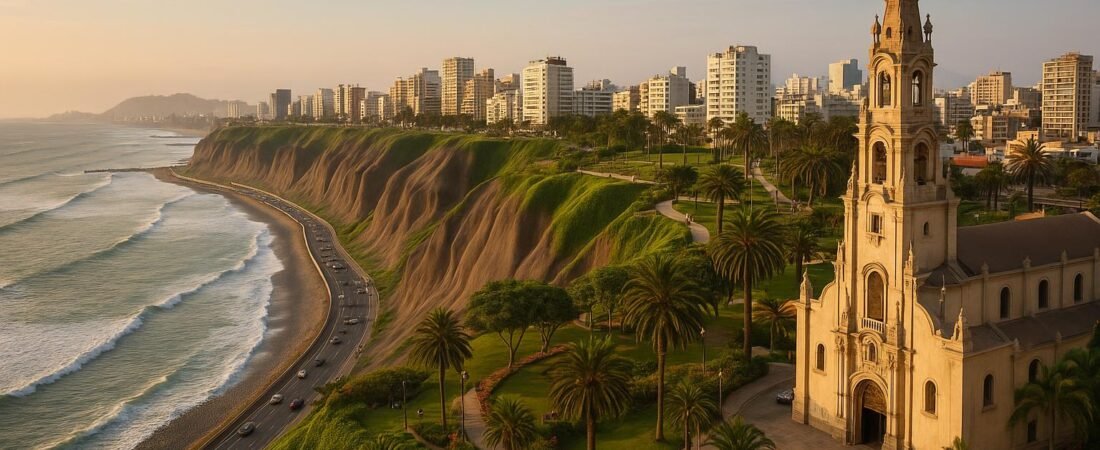
Lima is a city of contrasts: Pacific beaches and desert cliffs, pre-Columbian ruins and cutting-edge cuisine, frenetic traffic and tranquil colonial plazas. For many travelers, it is a mere stopover en route to Cusco and Machu Picchu. Yet those who linger discover one of South America’s most compelling capitals, where history, gastronomy, and contemporary Peruvian culture converge.
This guide covers everything you need to plan a rewarding trip to Lima: when to go, where to stay, what to see and eat, how to get around, and how to navigate the city confidently and respectfully.
Best Time to Visit Lima
Climate and Weather Overview
Lima’s climate is shaped by the cold Humboldt Current and the coastal desert. Temperatures remain relatively mild year-round, but the city’s microclimate means that “summer” and “winter” feel quite different from what many visitors expect.
- Summer (December–April): This is Lima’s warmest and sunniest period. Daytime highs range from 26–30°C (79–86°F), especially in February and March. Skies are usually clear, humidity is high but manageable, and this is the best time for beaches, coastal walks, and outdoor dining.
- Shoulder Seasons (November and May): Transitional months with comfortable temperatures, fewer crowds, and more availability in hotels and restaurants. You may still enjoy sunny spells, particularly in November.
- Winter (June–October): Expect cooler temperatures, around 16–20°C (61–68°F), and the famous garúa—a persistent coastal mist that blankets the city in gray clouds. Rain is rare, but the air is damp, and evenings can feel chilly. It is not beach season, but it is pleasant for sightseeing, museums, and food-focused travel.
For most travelers, the best time to visit Lima is between December and April for sun and ocean views, or May and early June for milder weather and lower prices.
Seasonal Events and Festivals
Lima’s cultural calendar is busy throughout the year, with a mix of religious processions, culinary events, and arts festivals.
- New Year’s Eve (December 31): Celebrated with fireworks along the Costa Verde and rooftop parties in Miraflores and Barranco.
- Verano en la Costa Verde (January–March): Summer brings beach culture to the forefront: surfing competitions, outdoor concerts, and seaside nightlife.
- Carnaval (February/March): Not as extravagant as in Brazil, but you may encounter local celebrations, water games, and neighborhood parades.
- Semana Santa (Holy Week, March/April): Religious processions in Lima’s Historic Center, especially around the Cathedral and churches such as San Francisco and Santo Domingo.
- Fiestas Patrias (July 28–29): Peru’s Independence Day is marked by parades, military displays, and a surge of national pride. Expect higher domestic tourism and busier hotels.
- Mistura (dates vary): Peru’s flagship food festival, when held in Lima, gathers top chefs, regional specialties, and street vendors from across the country. It is an extraordinary occasion for culinary exploration.
- Señor de los Milagros (October): One of the largest Catholic processions in Latin America, with thousands of devotees dressed in purple. It offers deep insight into Lima’s religious traditions.
Top Attractions in Lima
Must-Visit Historical Sites
Lima’s history is visible in layers: pre-Hispanic temples, colonial mansions, republican plazas, and modern high-rises coexist within relatively short distances.
- Historic Center of Lima (Centro Histórico): A UNESCO World Heritage Site, the old center revolves around the Plaza Mayor. Visit the Lima Cathedral, the Government Palace, and the Archbishop’s Palace with its ornate balconies. The architecture illustrates Lima’s former status as the capital of the Spanish Viceroyalty of Peru.
- Convento de San Francisco: This baroque complex is renowned for its library, cloisters, and atmospheric catacombs. Guided tours explain the religious and social history of colonial Lima.
- Huaca Pucllana: An adobe pyramid dating from the Lima Culture (circa 200–700 AD), dramatically set amid Miraflores’ modern buildings. Night visits, when the ruins are illuminated, are particularly memorable.
- Huaca Huallamarca: A smaller but well-preserved pre-Inca site in San Isidro, offering insight into early coastal societies and a quiet alternative to busier attractions.
- Museo Larco: Housed in an 18th-century mansion in Pueblo Libre, this private museum holds one of the most important collections of pre-Columbian art in the world, including exquisite ceramics, gold, and silver. Its gardens and café provide a pleasant break from the city’s pace.
Best Cultural Experiences
Lima is the cultural heart of Peru, blending indigenous, European, African, and Asian influences. Experiencing this diversity is essential to understanding the city.
- Barranco’s Bohemian Quarter: Once a seaside resort, Barranco is now Lima’s artistic hub. Stroll past colorful mansions, street art, and galleries, then cross the Puente de los Suspiros (Bridge of Sighs). In the evenings, find live music, intimate bars, and contemporary Peruvian cuisine.
- Museo de Arte de Lima (MALI) and MAC: MALI, in the Parque de la Exposición, traces Peruvian art from pre-Columbian times to the present. The Museum of Contemporary Art (MAC) in Barranco focuses on modern and contemporary works, reflecting today’s creative scene.
- Magic Water Circuit (Circuito Mágico del Agua): An illuminated fountain park in the Parque de la Reserva, popular with locals and families. Night shows combine water, light, and music, offering a more playful facet of Lima.
- Surfing and Coastal Activities: The constant Pacific swells make Lima a surf destination. Beginners can take lessons at beaches such as Makaha in Miraflores, while experienced surfers head to Punta Roquitas or further south along the coast.
- Peruvian Cooking Classes and Market Tours: Join a guided visit to Surquillo or San Isidro markets to learn about native ingredients like ají peppers, lucuma, and quinoa, followed by a hands-on class preparing classic dishes.
- Peñas and Afro-Peruvian Music: Traditional music venues known as peñas host criollo and Afro-Peruvian performances with cajón rhythms, guitar, and dance. They are an engaging way to experience local nightlife beyond mainstream bars.
Where to Stay in Lima
Recommended Neighborhoods
Choosing the right neighborhood in Lima significantly influences your experience, especially given the city’s size and traffic.
- Miraflores: The most popular area for visitors, known for its clifftop parks overlooking the Pacific, the Malecón promenade, shopping centers like Larcomar, and a wide range of hotels and restaurants. It is safe, walkable, and well-connected.
- Barranco: Ideal for travelers seeking a more artistic, laid-back vibe. Expect boutique hotels in restored mansions, eclectic cafés, and nightlife. It is slightly quieter than Miraflores during the day, with a strong local character.
- San Isidro: Lima’s financial district combines corporate towers with leafy residential streets. It offers upscale hotels, excellent restaurants, and attractions such as the Bosque El Olivar and Huaca Huallamarca. It is a good choice for business travelers and those seeking a more residential environment.
- Historic Center: Staying here offers immediacy to colonial architecture and museums, but it is busier, noisier, and quieter at night. It suits travelers focused on history who are comfortable with urban environments that feel less polished.
Types of Accommodation
Lima’s lodging options cater to every style and budget, from luxury hotels to characterful guesthouses.
- Luxury Hotels: International chains and high-end local properties are concentrated in Miraflores and San Isidro. Look for ocean-view rooms, rooftop pools, and refined restaurants that highlight contemporary Peruvian cuisine.
- Boutique Hotels: Particularly in Barranco and Miraflores, boutique properties occupy historic houses or modern design-led buildings, focusing on personalized service, curated decor, and intimate atmospheres.
- Mid-Range Hotels: A broad selection of well-managed three- and four-star hotels provide comfortable rooms, strong Wi-Fi, and included breakfast. These are ideal for travelers prioritizing practicality and location.
- Guesthouses and B&Bs: Smaller, often family-run accommodations offer a homely feel and local insight. They are common in Miraflores and Barranco and can be a good value option.
- Hostels: Budget travelers and backpackers will find hostels with dorms and private rooms, communal kitchens, and social events. Quality varies, so recent reviews are essential.
- Short-Term Rentals: Apartments can be cost-effective for longer stays or groups. They provide more space and the convenience of a kitchen, but ensure they are in safe, central neighborhoods and verify building security.
Food and Dining in Lima
Popular Local Dishes
Lima is often described as the gastronomic capital of South America. Its culinary scene blends indigenous ingredients with Spanish, African, Chinese, and Japanese influences, resulting in a remarkably diverse cuisine.
- Ceviche: The emblematic Peruvian dish, made with fresh fish cured in lime juice, ají peppers, red onion, and cilantro. It is typically served with sweet potato and corn. Eat it at lunchtime, when the fish is at its freshest.
- Lomo Saltado: A wok-fried stir-fry of beef, onions, tomatoes, and soy sauce, served with rice and French fries. It reflects the deep influence of Chinese-Peruvian (chifa) cuisine.
- Ají de Gallina: Shredded chicken in a creamy, mildly spicy sauce made with ají amarillo peppers, bread, milk, and cheese, accompanied by rice and potatoes. Comfort food at its best.
- Causa Limeña: A chilled dish of seasoned mashed yellow potato layered with fillings such as tuna, chicken, or seafood, often garnished elaborately.
- Anticuchos: Grilled skewers, traditionally of marinated beef heart, cooked over charcoal and sold at both restaurants and street stands. Smoky and flavorful, they are a quintessential Lima street food.
- Pollo a la Brasa: Rotisserie chicken marinated in spices and served with fries and sauces. It is a national favorite and an affordable, satisfying meal.
- Picarones and Desserts: Picarones are ring-shaped fritters made from squash and sweet potato, drizzled with molasses syrup. Try also suspiro a la limeña, a rich caramel and meringue dessert originating in Lima.
Best Restaurants and Street Food Spots
Lima offers everything from world-famous tasting menus to humble neighborhood eateries. Booking ahead is advisable for renowned establishments.
- Fine Dining and Contemporary Cuisine: Lima hosts several restaurants consistently ranked among the world’s best. While specific rankings change, venues in Miraflores and Barranco often feature multi-course tasting menus that reinterpret Peruvian ingredients with avant-garde techniques. Reservations are essential, sometimes months in advance.
- Nikkei and Seafood Restaurants: The fusion of Japanese and Peruvian traditions has produced outstanding Nikkei cuisine. Seek out cevicherías and sushi bars along the Costa Verde and in Miraflores, where tiraditos, makis, and ceviches share the menu.
- Cevicherías: Casual seafood restaurants, best visited for lunch. Many close or reduce menus in the evening. Ask locals or your hotel for current recommendations, as ceviche trends evolve quickly.
- Traditional Picanterías and Huariques: These home-style eateries offer classic coastal dishes at reasonable prices. Often unassuming, they deliver some of the city’s most authentic flavors.
- Chifas (Chinese-Peruvian Restaurants): Ubiquitous throughout Lima, chifas serve dishes such as arroz chaufa (fried rice) and tallarín saltado (stir-fried noodles), reflecting a century of Chinese immigration.
- Street Food: In the evenings, look for vendors selling anticuchos, picarones, and butifarras (pork sandwiches). For hygiene, choose busy stands with high turnover. Some parks and corners in Miraflores and Barranco have well-known, longstanding vendors.
- Cafés and Bakeries: Lima’s café culture is growing, with specialty coffee shops and bakeries serving excellent espresso, pastries, and light meals. They provide comfortable spaces to pause between sightseeing.
Budgeting for Your Trip to Lima
Average Daily Costs
Lima can accommodate a range of travel budgets. Costs vary based on neighborhood, season, and your preferences for dining and activities.
- Budget Travelers: Around US$35–60 per day. This includes a hostel bed or basic guesthouse, local meals, public transport, and a few entry fees.
- Mid-Range Travelers: Approximately US$70–150 per day. Expect a comfortable hotel room, meals at reputable restaurants, café visits, and occasional taxis or ride-hailing services.
- Luxury Travelers: From US$180 and upwards per day. High-end hotels, fine-dining experiences, private tours, and premium transportation increase expenses significantly.
Entrance fees for major museums and archaeological sites are generally modest. The most significant costs usually come from accommodation and dining in premium restaurants.
Tips for Saving Money
With strategic planning, Lima can be surprisingly affordable without compromising quality.
- Travel Off-Peak: Visiting outside of major holidays and festivals, and steering clear of peak summer weekends, can result in lower hotel rates and airfares.
- Eat Where Locals Eat: Menus del día (set lunch menus) in local restaurants offer soup, a main course, and a drink at very reasonable prices.
- Limit High-End Meals: Experience one or two top-tier tasting menus, then balance your budget with excellent mid-range and traditional eateries.
- Use Public Transport and Ride-Sharing: Buses and the Metropolitano are inexpensive. When using ride-hailing apps, compare prices during peak hours to avoid surge pricing.
- Choose Central Neighborhoods: Staying in well-located areas such as Miraflores or Barranco reduces the need for long, expensive taxi rides and saves time in traffic.
- Free and Low-Cost Activities: Walking the Malecón, visiting public parks, exploring markets, and admiring street art in Barranco cost little or nothing.
Getting Around Lima
Public Transportation Options
Lima’s size and traffic can be daunting, but understanding the main transport options simplifies navigation.
- Metropolitano Bus System: A bus rapid transit line running along dedicated lanes from northern Lima through the city center to Barranco and Chorrillos. It is often faster than regular buses during rush hour. You will need a rechargeable card, which can be purchased and topped up at stations.
- Urban Buses and Colectivos: A complex network of routes covers most districts. They are cheap but often crowded, with inconsistent schedules and limited signage. Unless you speak Spanish and know Lima well, they can be confusing.
- Line 1 Metro: An elevated metro line connecting some southern and eastern districts. It is less useful for most tourists but may be relevant depending on where you stay or work.
- Taxis: Street taxis are plentiful but unregulated, and fares must be negotiated before boarding. For safety and transparency, many visitors prefer authorized taxi companies or ride-hailing apps.
- Ride-Hailing Apps: Commonly used in Lima and generally considered safer and more convenient than hailing taxis on the street. They allow price comparison and route tracking.
- Walking and Cycling: In Miraflores, Barranco, and parts of San Isidro, walking is pleasant, especially along the Malecón. Lima has some bike lanes and rental services, though cycling in traffic-heavy areas requires caution.
Tips for Navigating the City
Mobility in Lima requires a bit of planning, particularly during peak hours.
- Allow Extra Time: Traffic congestion is common, especially 7:00–10:00 and 17:00–20:00. Build a generous buffer into your schedule, including when heading to the airport.
- Group Sightseeing by Area: Plan each day around specific districts—Miraflores and Barranco one day, the Historic Center another—to minimize time in transit.
- Use Offline Maps: Download maps to your phone and mark key locations such as your hotel, major attractions, and reliable taxi stands.
- Confirm Addresses: Many streets share names or numbers. Double-check the district (e.g., Miraflores vs. San Isidro) when entering addresses into apps or giving directions.
- Airport Transfers: The airport is in Callao, a separate province. Official airport taxis and pre-arranged transfers are recommended, especially at night.
Travel Tips for Lima
Safety Tips for Tourists
Lima is generally safe in its main tourist areas, but like any large city, it requires prudence.
- Stay in Well-Frequented Areas: Miraflores, Barranco, and much of San Isidro are relatively safe, especially during the day. Exercise more caution in the Historic Center at night and avoid poorly lit, isolated streets.
- Guard Your Belongings: Petty theft and pickpocketing can occur in crowded places, on public transport, and near markets. Use a money belt or anti-theft bag, and keep valuables out of sight.
- Be Discreet with Electronics: Avoid brandishing phones or cameras unnecessarily in busy or less secure places. Take photos thoughtfully and store devices promptly.
- Use Reliable Transport at Night: Prefer ride-hailing apps or radio taxis called by your hotel or restaurant rather than hailing cars on the street late in the evening.
- Avoid Certain Areas: Some districts and peripheral neighborhoods experience higher crime rates and offer little for visitors. Follow local advice, and do not venture into unfamiliar areas without a clear purpose and guidance.
- Mind the Ocean: Currents along the Pacific coast can be strong. Swim only where it is permitted, heed lifeguard instructions, and respect surf flags.
Cultural Etiquette to Keep in Mind
Peruvians in Lima are generally warm, courteous, and proud of their city. A few simple customs help foster positive interactions.
- Polite Greetings: A simple “buenos días,” “buenas tardes,” or “buenas noches” when entering shops, restaurants, or elevators is appreciated. Handshakes are common in formal contexts; among friends, a single cheek kiss may be used.
- Language: Spanish is the primary language, though English is spoken in many hotels and tourist establishments. Learning basic phrases shows respect and often leads to warmer service.
- Restaurant Practices: It is customary to linger over meals; you will not usually be rushed. Tips around 10% are appreciated in restaurants if service is not already included. At casual eateries, rounding up the bill is common.
- Dress: Lima is cosmopolitan, and dress codes are flexible. However, in churches, religious sites, and more formal venues, modest clothing (covered shoulders, longer shorts or trousers) is appropriate.
- Photography: Always ask before photographing individuals, especially vendors, performers, or in markets. Some may request a small tip.
- Bargaining: Negotiation is acceptable in markets and with some street vendors, but it should remain friendly and respectful. It is not practiced in supermarkets, restaurants, or fixed-price shops.
- Punctuality: Social events may start later than scheduled, but tours and professional appointments are generally more punctual. Always confirm times, particularly for group excursions.
Conclusion
Lima is far more than an entry point to Peru; it is a destination that rewards time and curiosity. From the clifftop parks of Miraflores and the murals of Barranco to the colonial grandeur of the Historic Center and the depth of its pre-Columbian heritage, the city offers a sophisticated blend of past and present.
Whether you come for world-class restaurants, historic sites, coastal walks, or cultural immersion, planning your visit around the best season, selecting the right neighborhood, and understanding how to move and behave within the city will enhance every moment. Allow Lima to unfold slowly—through its flavors, streets, and conversations—and it will become a highlight of your journey through Peru.


Buy on Amazon