
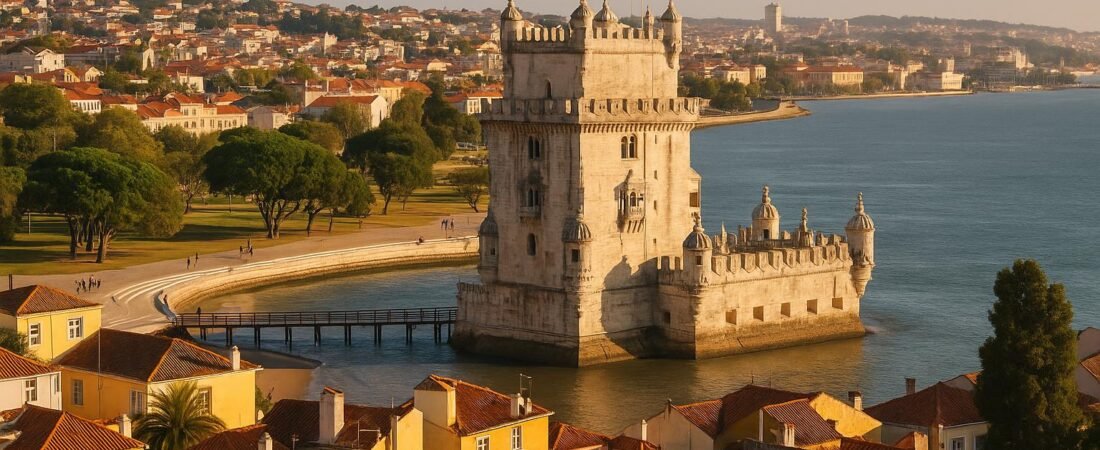
Lisbon is a city that balances nostalgia and innovation with rare elegance. Perched on seven hills along the Tagus River, the Portuguese capital offers atmospheric old quarters, cutting-edge gastronomy, striking viewpoints, and a maritime history that shaped the modern world. Whether you are planning a long weekend or an extended stay, understanding when to visit, where to stay, and what to see will transform a good trip into an exceptional one.
Best Time to Visit Lisbon
Weather Overview
Lisbon enjoys a mild Mediterranean climate with Atlantic influences, making it a genuinely year-round destination. Summers are sunny and dry, winters are relatively gentle, and shoulder seasons are particularly appealing.
From April to June, temperatures usually range between 18–26°C (64–79°F). Days are long, the light is crystalline, and jacaranda trees bloom in violet clouds along the avenues. This period offers the best balance between pleasant weather and manageable visitor numbers.
July and August bring warmer conditions, commonly between 28–32°C (82–90°F), with occasional heatwaves. Coastal breezes and late sunsets make evenings enjoyable, but popular neighborhoods such as Alfama and Bairro Alto can feel crowded, and accommodation prices rise accordingly.
September and October are excellent for travelers seeking warmth without high-summer intensity. Sea temperatures are still comfortable, ideal if you intend to combine city exploration with day trips to Cascais or the beaches of Costa da Caparica.
November to March is Lisbon’s quietest period. Temperatures typically hover between 10–17°C (50–63°F). Rainfall increases, yet many days remain bright. This is an attractive timeframe for cultural travelers and food lovers who value relaxed museums, easy restaurant reservations, and lower hotel rates.
Events and Festivals
Lisbon’s cultural calendar is animated and diverse, with major events that can enrich your stay — or influence when you choose to visit.
- Festas de Lisboa (June) – The city’s most emblematic celebration, honoring St. Anthony, Lisbon’s patron saint. Streets fill with processions, live music, and the smell of grilled sardines. The night of Santo António (12–13 June) transforms historic neighborhoods into an open-air festival.
- Carnaval (February or March) – While Lisbon’s Carnival is more low-key than Brazil’s, you will still find parades, costumes, and themed parties, especially in Bairro Alto and along the waterfront.
- Lisbon Book Fair (late May–June) – Held in Eduardo VII Park, it is one of the oldest book fairs in Portugal. A pleasant way to mingle with locals, browse Portuguese literature, and enjoy outdoor cafés.
- Nos Alive & Other Summer Music Festivals (July) – Lisbon’s music scene peaks in summer with major international line-ups on the riverside in Algés, just outside the city center.
- Web Summit (November) – One of the world’s largest tech conferences draws thousands of visitors. If you are not attending, consider that accommodation and flights may be more expensive and limited during these dates.
Top Attractions in Lisbon
Must-See Sights
Lisbon’s main attractions span centuries of history, from Moorish fortifications to monumental tributes to the Age of Discoveries.
- Belém Tower (Torre de Belém) – A UNESCO World Heritage site and postcard symbol of Lisbon. This 16th-century fortress, set dramatically on the Tagus, once guarded the entrance to the city’s harbor and greeted departing caravels.
- Jerónimos Monastery – Another UNESCO-listed landmark in Belém, this monastery epitomizes Manueline architecture: intricate stonework, maritime motifs, and lofty cloisters bathing in natural light. Vasco da Gama’s tomb rests here, making it essential for anyone interested in Portuguese history.
- São Jorge Castle – Crowning one of Lisbon’s hills, this castle offers commanding views over the city’s terracotta roofs and the river. Walking along its walls provides a strong sense of the city’s medieval past.
- Alfama – Lisbon’s oldest quarter, a maze of steep lanes, whitewashed houses, and unexpected viewpoints. Exploring on foot reveals traditional tascas (taverns), tile-covered facades, and small squares where locals still gather.
- Elevador de Santa Justa – A neo-Gothic iron elevator connecting Baixa to the Carmo district. The viewing platform at the top showcases downtown Lisbon, from Rossio Square to the castle.
- Praça do Comércio – The city’s grand riverside square, framed by arcaded yellow buildings and the triumphal arch of Rua Augusta. This is where Lisbon opens itself to the Tagus, with a palpable maritime aura.
- National Tile Museum (Museu Nacional do Azulejo) – Housed in a former convent, this museum traces the evolution of Portuguese tile art from the 15th century to contemporary designs, culminating in a panoramic tile panel of Lisbon before the 1755 earthquake.
Unique Experiences
Beyond its headline sights, Lisbon reveals its character through distinctive experiences that engage all the senses.
- Ride Tram 28 – The iconic yellow tram connects Martim Moniz to Campo de Ourique, clattering through Graça, Alfama, Baixa, and Estrela. Despite being popular with visitors, it remains one of the most atmospheric ways to appreciate Lisbon’s hills and narrow streets. For fewer crowds, ride early in the morning or later in the evening.
- Listen to Fado in Alfama or Bairro Alto – Fado, Lisbon’s soulful urban song tradition, is best experienced live in an intimate venue. Seek out smaller casas de fado where the emphasis is on music rather than spectacle, and allow yourself to be enveloped in the melancholy beauty of the performances.
- Sunset at a Miradouro – The city’s viewpoints are among its greatest luxuries. Miradouro da Senhora do Monte and Miradouro de Santa Catarina are particularly spectacular at sunset, when the sky glows over the Tagus and Lisbon’s hillsides appear in layered silhouette.
- Explore LX Factory – Once an industrial complex, LX Factory is now a creative hub of design studios, independent shops, restaurants, and street art beneath the 25 de Abril Bridge. It encapsulates contemporary Lisbon: inventive, informal yet stylish, and strongly connected to its industrial past.
- Day Trip to Sintra – A short train ride from Rossio station, Sintra feels like a romantic fairy tale, with palaces, gardens, and misty hills. The colorful Pena Palace, the mysterious wells of Quinta da Regaleira, and the Moorish Castle offer an otherworldly contrast to Lisbon’s urban scenery.
- Walk Along the Tagus Waterfront – From Cais do Sodré to Belém, the riverfront has been thoughtfully regenerated. Cycle or stroll past contemporary museums, outdoor cafés, and promenades where locals jog, fish, and linger at sunset.
Where to Stay in Lisbon
Recommended Neighborhoods
Choosing the right area is crucial to enjoying Lisbon’s rhythm. The city’s districts have distinct personalities, each suited to different travel styles.
- Baixa & Chiado – Central, elegant, and convenient. Baixa’s grid of 18th-century streets and grand squares is perfect for first-time visitors who want easy access to major sights and public transport. Neighboring Chiado offers historic cafés, theaters, and boutiques with a refined atmosphere.
- Alfama – Ideal if you value character over convenience. The winding streets, traditional tiled houses, and viewpoints create a deeply atmospheric base. Be prepared for stairs, steep alleys, and some noise at night, especially near Fado venues.
- Bairro Alto & Príncipe Real – Bairro Alto is known for nightlife, with bars and restaurants that spill out into the streets after dark. Above it, Príncipe Real feels more residential and upscale, with tranquil gardens, antique shops, and fashionable concept stores.
- Avenida da Liberdade – Lisbon’s answer to a grand boulevard. Lined with luxury hotels, designer boutiques, and shaded avenues, it suits travelers who appreciate space, comfort, and a more polished environment while still being within walking distance of the historic center.
- Parque das Nações – The modern riverfront district created for Expo ’98. With contemporary architecture, wide promenades, and family-friendly attractions such as the Oceanarium, it is a good choice for those seeking a quieter, more spacious stay with easy metro access to the city center.
- Cais do Sodré & Santos – Formerly a rough port area, now a trendy quarter of design shops, cocktail bars, and innovative restaurants along the river. Excellent for food-focused visitors and those who enjoy an urban, creative setting.
Accommodation Types
Lisbon’s accommodation scene is diverse, ranging from historic properties to cutting-edge boutique concepts, suiting a wide array of budgets and preferences.
- Boutique Hotels in Heritage Buildings – Many of the most atmospheric places to stay occupy converted mansions or townhouses. Expect high ceilings, restored azulejo panels, and a sense of place that reflects Lisbon’s architectural heritage.
- Design and Lifestyle Hotels – For travelers drawn to contemporary aesthetics, numerous design-driven properties cluster around Baixa, Chiado, and the waterfront. These hotels typically emphasize curated interiors, rooftop terraces, and refined yet relaxed service.
- Guesthouses & B&Bs – Intimate guesthouses in neighborhoods like Alfama, Graça, and Príncipe Real offer a homely atmosphere and personalized recommendations. They often feature fewer rooms, home-cooked breakfasts, and communal lounges.
- Apartments & Short-Term Rentals – A pragmatic option for families, groups, or longer stays. Apartments allow you to immerse yourself in local life, shop at neighborhood markets, and enjoy more space. Pay attention to building access and the steepness of streets, especially if mobility is a concern.
- Luxury Hotels & Historic Palaces – Along Avenida da Liberdade and in select hillside locations, you will find five-star hotels and converted palaces with extensive facilities: spa, fine dining, and panoramic terraces. These properties suit travelers seeking maximum comfort and on-site amenities.
- Hostels & Budget Options – Lisbon is known for its high-quality hostels, many of which occupy characterful buildings with stylish common areas. They are excellent for solo travelers, backpackers, and digital nomads who value social spaces as much as price.
Food and Dining in Lisbon
Traditional Dishes to Try
Lisbon’s culinary landscape reflects Portugal’s seafaring legacy, regional diversity, and love of simple, honest ingredients. Exploring local flavors is an essential part of understanding the city.
- Bacalhau à Brás – A quintessential Lisbon dish of shredded salted cod sautéed with onions, thin matchstick potatoes, and eggs, typically finished with parsley and black olives. Comforting, savory, and deeply satisfying.
- Sardinhas Assadas – Grilled sardines are synonymous with Lisbon, particularly during the June festivals. Served on bread or with potatoes and salad, they embody straightforward Portuguese cooking at its best.
- Caldo Verde – A rustic soup made from thinly sliced kale, potatoes, and chouriço sausage. Light yet hearty, it appears on menus throughout the year and is often served as a starter.
- Bifana & Prego – Classic sandwiches popular in traditional tascas. The bifana features marinated pork in a crusty roll; the prego uses garlicky beef. Both are fast, inexpensive, and deeply embedded in local food culture.
- Pastéis de Nata – Lisbon’s legendary custard tarts, with a crisp, flaky shell and creamy center, typically dusted with cinnamon. The most famous come from Belém, but you will find excellent versions across the city.
- Arroz de Marisco – A rich seafood rice, somewhere between a stew and a risotto, brimming with clams, prawns, and other shellfish. Best enjoyed in restaurants specializing in coastal cuisine.
- Petiscos – Portuguese small plates akin to tapas. Expect dishes like chouriço, octopus salad, cod fritters, and marinated carrots. Sharing petiscos is an engaging way to sample a broad spectrum of flavors.
Best Restaurants and Cafés
Lisbon’s dining scene is dynamic, ranging from historic cafés to celebrated fine-dining addresses and progressive bistros that reinterpret Portuguese ingredients.
- Belém’s Pastry Institutions – Near the Jerónimos Monastery, long-established pastry shops specialize in pastéis de nata. Visiting for a still-warm tart and a bica (espresso) is almost a pilgrimage.
- Traditional Tascas – Throughout Alfama, Graça, and Mouraria, modest taverns serve daily specials written on chalkboards: grilled fish, stews, and homemade desserts. These establishments are ideal for experiencing authentic, unfussy Lisbon cuisine.
- Contemporary Portuguese Bistros – In neighborhoods like Príncipe Real, Campo de Ourique, and Cais do Sodré, a new generation of chefs is reimagining local produce with modern techniques. Expect creative tasting menus, thoughtful wine lists, and a relaxed yet polished ambiance.
- Seafood Restaurants in Cais do Sodré & Beyond – The city offers an abundance of marisqueiras (seafood houses) where shellfish takes center stage. Clams in garlic and white wine, percebes (goose barnacles), and grilled fish demonstrate why Lisbon is renowned for ocean-fresh cuisine.
- Time Out Market (Mercado da Ribeira) – An expansive gourmet food hall assembling many of Lisbon’s notable vendors under one roof. While busy at peak hours, it is an efficient way to sample different culinary styles, from classic Portuguese dishes to international creations.
- Historic Cafés in Chiado – Century-old cafés near Largo do Chiado offer high ceilings, marble tables, and an old-world ambiance. They are ideal for a leisurely coffee, a slice of cake, or simply watching Lisbon’s daily theatre unfold.
- Rooftop Bars and Terraces – Many hotels and standalone venues now feature rooftop spaces with panoramic views. They specialize in cocktails, petiscos, and sunsets, providing an elegant setting to close the day.
Conclusion
Lisbon combines the intimacy of a coastal town with the cultural depth of a historic capital. Its layers are best explored slowly: wandering through hilltop neighborhoods, pausing at viewpoints, listening to Fado in a dimly lit tavern, and lingering over seafood by the river. By choosing a season that matches your travel style, selecting a neighborhood aligned with your interests, and seeking out both emblematic sights and authentic experiences, you will encounter a city that feels at once timeless and surprisingly contemporary. Lisbon is not a place to rush; it is a place to savor, returning home with a lingering sense of saudade and a strong desire to come back.