
London is a city that rewards curiosity. Behind its famous skyline you will find intimate neighbourhoods, experimental cuisine, world-class museums and an ever-changing cultural calendar. Whether you are planning a first visit or returning to explore deeper, understanding when to go, where to stay and what not to miss will transform your experience from a simple city break into a memorable urban journey.
Best Time to Visit London
Seasonal Overview
London is a genuine year‑round destination, but each season offers a distinct character.
Spring (March–May) is one of the most rewarding times to visit. Parks burst into colour with cherry blossoms in Greenwich Park, daffodils in St James’s Park and tulips in Holland Park’s Kyoto Garden. Temperatures are generally mild, crowds are manageable, and hotel rates have not yet reached their summer peak. It is an ideal season for riverside walks along the Thames and exploring historic areas like Westminster and the City of London on foot.
Summer (June–August) brings the longest days and the liveliest atmosphere. Outdoor theatres, rooftop bars and open‑air cinema screenings flourish. London’s royal parks fill with picnickers, and the South Bank becomes a hub of street performances and festivals. This is also the busiest and most expensive period, particularly around school holidays and major events such as Wimbledon and Notting Hill Carnival.
Autumn (September–November) offers a sophisticated, slightly quieter London. The cultural season is in full swing, with new exhibitions opening at the Tate Modern, the National Gallery and the Victoria and Albert Museum, as well as premieres in the West End. Foliage in Hyde Park and Richmond Park turns amber and gold, and accommodation prices start to soften after the summer rush.
Winter (December–February) is atmospheric and often underrated. The city glows with Christmas lights along Regent Street, Oxford Street and Covent Garden. Seasonal markets, ice-skating rinks and festive window displays create a distinctive charm. While daylight hours are short and temperatures chilly, this is an excellent time for museums, theatre and culinary exploration. After New Year’s, airfares and hotel prices can be comparatively attractive.
Weather and Festivals
London’s weather is famously changeable rather than extreme. Winters are cool and damp, typically ranging from 2–8°C (36–46°F), with occasional frosts but rare heavy snow. Summers are mild to warm, with average highs around 22–24°C (72–75°F), though brief heatwaves do occur. Rainfall is spread relatively evenly throughout the year, so a compact umbrella or light raincoat is always sensible.
Festival season is almost continuous, but certain events stand out when planning your trip:
- New Year’s Day Parade (January) – A colourful procession through central London with marching bands, dancers and elaborate floats.
- London Marathon (April) – One of the world’s most famous marathons, bringing energy to the streets and some road closures to central areas.
- Chelsea Flower Show (May) – A showcase of cutting‑edge garden design and horticulture, attracting visitors from around the globe.
- Trooping the Colour (June) – The official celebration of the monarch’s birthday, featuring a grand military parade down The Mall.
- Wimbledon Championships (late June–July) – The world’s oldest tennis tournament, held in the leafy suburb of Wimbledon.
- BBC Proms (July–September) – A celebrated classical music festival at the Royal Albert Hall and associated venues.
- Notting Hill Carnival (August) – Europe’s largest street festival, celebrating Caribbean culture with music, food and vibrant costumes.
- Bonfire Night (5 November) – Fireworks and bonfires across the city, commemorating the foiling of the 1605 Gunpowder Plot.
- Christmas Markets and Winter Wonderland (late November–December) – Festive markets, rides and ice‑skating, particularly in Hyde Park and along the Thames.
Aligning your trip with one of these events can add a memorable highlight, but be aware that major festivals often increase demand for accommodation and transport.
Top Attractions in London
Iconic Landmarks
Many of London’s emblematic sights are clustered along the River Thames, making it easy to combine several in a single day.
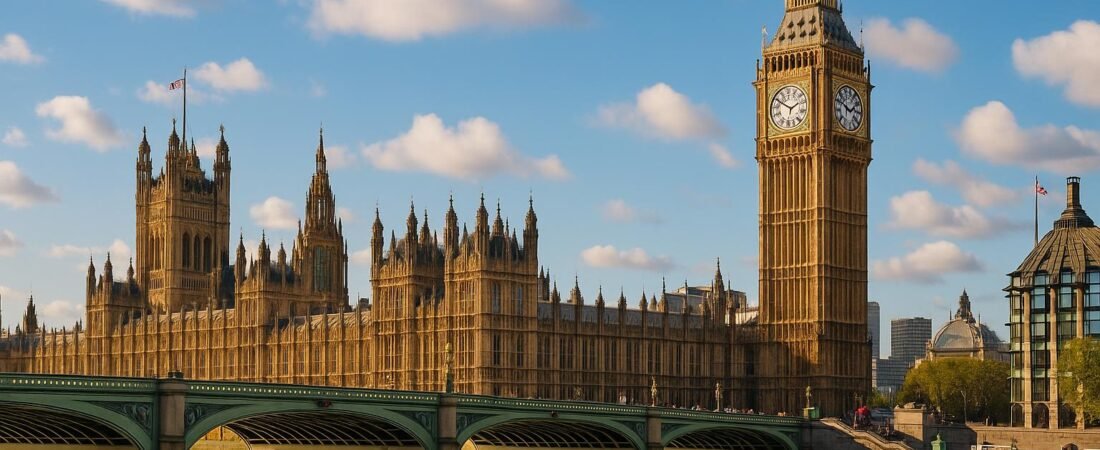
Big Ben and the Houses of Parliament dominate Westminster’s skyline. While “Big Ben” technically refers to the great bell inside the Elizabeth Tower, the entire neo‑Gothic complex is impressive. Guided tours of the Palace of Westminster are available on select days, revealing the ornate chambers where UK laws are debated.
Nearby stands Westminster Abbey, a masterpiece of medieval architecture and the site of coronations, royal weddings and national commemorations. Its intricate stonework, Poets’ Corner and the serene cloisters provide a powerful sense of continuity with the past.
Across the river, the London Eye offers panoramic views of the city’s skyline. A rotation takes about thirty minutes, long enough to identify landmarks such as St Paul’s Cathedral, the Shard and Buckingham Palace. Pre‑booking timed tickets is advisable, especially during school holidays.
Further east along the Thames lies the Tower of London, a UNESCO World Heritage Site and former royal fortress, prison and treasury. The Beefeater‑led tours are both entertaining and insightful, bringing to life stories of intrigue, execution and royal power. Do not miss the Crown Jewels, displayed in a secure yet surprisingly close-up exhibition.
A short walk away, the Tower Bridge Exhibition allows you to step inside one of London’s most recognisable structures. Glass‑floored walkways connect the twin towers, providing unusual views of traffic and boats below. It is particularly atmospheric at dusk when the bridge is illuminated.
For a contemporary counterpoint, head to The Shard. Western Europe’s tallest building offers an open‑air viewing platform with far‑reaching vistas, particularly striking at sunset or after dark. Advance reservations often include fast‑track entry, which can save time on busy days.
Family-Friendly Activities
London excels as a family destination, with numerous attractions designed to engage children without sacrificing adult interest.
Natural History Museum in South Kensington is a perennial favourite. Dinosaur skeletons, an animatronic T‑Rex and interactive earth science galleries capture young imaginations, while the Romanesque architecture impresses visitors of all ages. Entry is free, though timed tickets may be required for special exhibitions.
Next door, the Science Museum offers hands‑on galleries about space, engineering and technology. Many exhibits are designed for tactile exploration, making it ideal for curious children. Families can easily spend half a day between these two museums alone.
London Zoo in Regent’s Park provides a more traditional day out. As one of the world’s oldest scientific zoos, it combines conservation efforts with engaging experiences such as Penguin Beach, Land of the Lions and dedicated children’s areas. The surrounding parkland is perfect for picnics and playground breaks.
For a more immersive adventure, Warner Bros. Studio Tour London – The Making of Harry Potter, located just outside the city near Watford, allows fans to walk through original film sets, including the Great Hall and Diagon Alley. Tickets sell out weeks in advance during peak periods, so it is advisable to plan early and factor in travel time.
Within central London, boat trips on the Thames appeal to all ages and double as practical transport between Westminster, the Tower of London and Greenwich. In Greenwich, the Royal Observatory, the Prime Meridian line and the restored ship Cutty Sark offer a blend of science, maritime history and hands‑on exhibits.
Finally, a ride on a classic red double‑decker bus or a journey on the Docklands Light Railway (with driverless trains and front‑row seats) can be as exciting for children as any formal attraction, and provide an authentic London experience.
Where to Stay in London
Accommodation Options
London’s accommodation landscape is exceptionally varied, ranging from heritage hotels to contemporary serviced apartments and well‑designed hostels.
Luxury hotels are concentrated in areas such as Mayfair, Knightsbridge, Marylebone and along the Embankment. Here you will find internationally renowned names housed in grand Victorian buildings and elegant townhouses. These properties often provide fine‑dining restaurants, classic afternoon teas and concierge teams skilled at securing theatre tickets and private tours.
Mid‑range hotels are widely distributed and have improved significantly in recent years. Many international chains and boutique brands have opened stylish, compact properties around King’s Cross, Shoreditch, Southwark and Paddington, offering dependable comfort, good transport links and often creative interior design at a more accessible price point.
Serviced apartments and aparthotels suit longer stays or travellers seeking kitchen facilities. These are common in business districts such as the City, Canary Wharf and around Liverpool Street, as well as residential areas including Kensington and Hammersmith. They provide more space and flexibility, particularly valuable for families or small groups.
Budget accommodation in London includes hostels, budget hotel chains and some university halls of residence that open to visitors during holidays. While room sizes may be modest, many properties are clean, centrally located and well connected by public transport. Booking early is advisable to secure favourable rates.
Neighborhood Recommendations
Choosing the right base in London can shape your entire trip. Each neighbourhood has its own character, amenities and transport options.
Covent Garden and the West End are ideal for first‑time visitors who prioritise theatre, dining and central sightseeing. You will be within walking distance of Trafalgar Square, Leicester Square and the Strand, with countless restaurants and bars nearby. Expect lively streets and higher prices, but unmatched convenience.
South Bank and Southwark offer a more contemporary riverfront feel, with landmarks such as the Tate Modern, Shakespeare’s Globe and Borough Market close at hand. Many hotels here enjoy views across the Thames to St Paul’s Cathedral and the City skyline. Transport connections via London Bridge, Waterloo and Blackfriars are excellent.
Kensington and South Kensington suit travellers seeking a more residential, refined atmosphere. The area features elegant terraces, proximity to the Natural History Museum, V&A and Science Museum, and easy access to Hyde Park. It is particularly popular with families and those who appreciate quieter evenings.
Bloomsbury and King’s Cross combine literary history with modern regeneration. Bloomsbury’s garden squares and the British Museum provide cultural depth, while the revamped King’s Cross area offers canal‑side cafés, boutiques and quick rail links across London and to continental Europe via Eurostar.
Shoreditch and Spitalfields appeal to travellers interested in creative culture, street art, independent galleries and nightlife. This is one of London’s most dynamic districts, with a strong café scene, markets and pop‑up restaurants. It is a convenient base for exploring the East End and the City of London.
Greenwich offers a more village‑like setting while remaining well connected by DLR, boat and suburban rail. With its historic maritime heritage, parkland and markets, it is an excellent option if you prefer a calmer environment at the end of the day.
Food and Dining in London
Must-Try Dishes
London’s culinary identity has evolved far beyond stereotypes, yet certain dishes remain essential to the city experience.
Full English breakfast is a substantial start to the day, typically including eggs, bacon, sausages, grilled tomatoes, mushrooms, baked beans and toast. Many cafés offer lighter, modern interpretations alongside the traditional plate.
Fish and chips retain their status as a beloved classic. Look for venues that prepare fish to order with crisp batter, flaky white fish and hand‑cut chips, ideally served with mushy peas and tangy tartar sauce.
Sunday roast is a deeply rooted British ritual, best enjoyed in a traditional pub. Roast beef, lamb, pork or chicken is served with roast potatoes, seasonal vegetables, rich gravy and a towering Yorkshire pudding. Reservations are often needed for popular spots.
London’s diversity shines through in its Indian, Pakistani and Bangladeshi cuisine. A plate of fragrant curry, naan bread and a selection of regional specialities in neighbourhoods like Brick Lane, Southall or Tooting offers a flavour of the city’s multicultural heritage.
Afternoon tea is an experience rather than a simple meal. Delicate finger sandwiches, warm scones with clotted cream and jam, and artfully presented pastries are served alongside fine teas and, often, a glass of Champagne. Historic hotels and dedicated tea salons across central London offer varying levels of formality and creativity.
The city is also a hub for modern British cuisine, which emphasises seasonal, locally sourced ingredients. Menus might feature dishes such as roasted sea bass with heritage vegetables, slow‑cooked shoulder of lamb or inventive vegetarian plates showcasing British produce.
Best Restaurants and Cafés
The breadth of London’s dining scene can be overwhelming, but a few areas and types of establishments provide reliable starting points.
Borough Market, near London Bridge, is a must for food enthusiasts. It combines artisan producers, street‑food stalls and sit‑down eateries beneath Victorian railway arches. Sample British cheeses, charcuterie, baked goods and international specialities as you wander, or reserve a table in one of the surrounding restaurants for a more leisurely meal.
For refined dining, central London boasts a concentration of Michelin‑starred and award‑winning restaurants. In Mayfair, Soho and Fitzrovia you will find establishments led by acclaimed chefs offering tasting menus that reinterpret British and global flavours. While some are formal, many newer venues adopt a more relaxed yet polished approach.
Soho remains one of the city’s most diverse culinary districts, with everything from small tapas bars and ramen joints to contemporary bistros and late‑night dessert spots. Its dense network of streets makes it well suited to spontaneous exploration and post‑theatre dinners.
Those interested in plant‑based dining will find numerous innovative vegetarian and vegan restaurants, particularly in areas such as Shoreditch, Hackney and Camden. Menus often showcase inventive uses of vegetables, grains and international influences, reflecting London’s progressive food culture.
Café culture is strong across the city. Independent coffee shops flourish in neighbourhoods like Clerkenwell, Bermondsey and Marylebone, where expertly brewed espresso, specialty beans and freshly baked pastries are the norm. These cafés can also serve as welcoming spaces to work, plan your day or simply observe local life.
For a distinctly London experience, consider dining at a rooftop restaurant or bar. Venues in the City, at the Shard or in hotels around Trafalgar Square and South Bank combine sophisticated menus with sweeping views, particularly striking at sunset when the city lights begin to glow.
Conclusion
London is a city of layers, where iconic landmarks coexist with quiet residential streets, historic pubs with cutting‑edge galleries, and classic British dishes with global cuisine. By choosing the right season for your interests, selecting a neighbourhood that matches your pace and priorities, and planning a balanced mix of major sights and local discoveries, you can experience a version of London that feels both expansive and personal. However long you stay, the city’s energy, cultural richness and capacity for reinvention ensure that there will always be more to uncover on your next visit.