
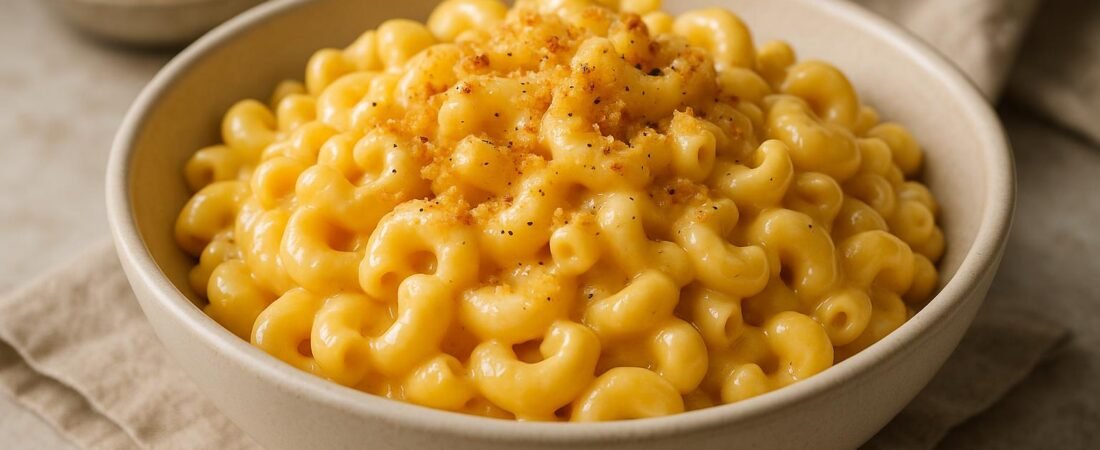
Mac and cheese is far more than a simple bowl of cheesy pasta. It is a dish that evokes nostalgia, offers infinite room for creativity, and adapts to every table from weeknight dinners to refined restaurant menus. Understanding its history, mastering ingredient selection, and honing reliable cooking techniques will help you consistently produce a luxurious, creamy mac and cheese with a beautifully balanced flavor and texture.
The Origins and Evolution of Mac and Cheese
Historical Background and Global Influence
The roots of mac and cheese can be traced back to medieval Europe, where early pasta-and-cheese dishes appeared in Italian and English cookbooks. Baked pasta layered with grated cheese and butter was prized for its richness and simplicity, long before it became the comfort-food icon we know today.
In the 18th century, macaroni and cheese gained prominence in the United States. Thomas Jefferson, fascinated by pasta during his time in Europe, is often credited with popularizing the dish after serving a version of it at a state dinner. Over time, it moved from the tables of the elite into everyday American cooking, helped along by industrialization, the availability of factory-made cheese, and later, boxed mixes that made an easy mac and cheese accessible to nearly every household.
Global influences have also shaped the dish. Italian traditions of combining pasta with cheese and béchamel, French expertise in classic sauces, and British baked pasta puddings have all contributed to the modern recipe. Today, mac and cheese is a canvas where regional flavors, spices, and ingredients intersect, reflecting the culinary heritage of different cultures while retaining its essential appeal: tender pasta in a velvety, savory sauce.
Modern Variations Around the World
Contemporary interpretations of mac and cheese span the globe. In the United States and Canada, baked mac and cheese with a crisp breadcrumb or cheese crust remains a staple at barbecues, holiday gatherings, and family celebrations. In the United Kingdom, similar dishes appear under names like “macaroni cheese,” often enriched with mustard or Worcestershire sauce for added depth.
In the Caribbean, you may encounter versions spiced with Scotch bonnet peppers or studded with salted fish. In South Africa, local cheeses and spices find their way into the sauce, transforming a familiar dish into a uniquely regional specialty. Across Asia, chefs play with ingredients such as miso, gochujang, or soy-based seasonings, merging umami-rich flavors with the creaminess of a traditional cheese sauce.
Upscale restaurants worldwide now offer gourmet interpretations: truffle-scented baked mac and cheese, lobster-laden casseroles, or dishes finished with artisanal cheeses from small producers. At the same time, the rise of plant-based cooking has propelled innovative vegan mac and cheese recipes that rely on cashews, nutritional yeast, and vegetables to emulate the creamy richness of dairy. The result is a versatile dish that transcends its humble origins while remaining instantly recognizable.
Choosing the Best Ingredients for Mac and Cheese
Selecting the Perfect Cheese Blend
The quality and character of the cheese determine whether your homemade mac and cheese is merely pleasant or truly exceptional. Rather than using a single cheese, most cooks achieve superior results by blending several varieties. Each cheese contributes distinct properties: meltability, sharpness, creaminess, and aromatic complexity.
As a foundation, consider a well-melting cheese such as mild or medium cheddar, Gouda, or Monterey Jack. These cheeses create the smooth, stretchy base that makes creamy mac and cheese so satisfying. To introduce depth and tang, incorporate a sharper component such as extra-old cheddar, Gruyère, or aged Comté. A small amount of these cheeses goes a long way, so balance their intensity with milder varieties.
For enhanced silkiness, you may add a cheese with high moisture and excellent melting characteristics, such as Fontina, Havarti, or a young provolone. Smoked cheeses, blue cheeses, or washed-rind varieties can be used judiciously to introduce a gourmet dimension, but they should complement rather than overpower the overall flavor. Whatever combination you choose, grate the cheese yourself rather than using pre-shredded products, as anti-caking agents can hinder smooth melting and prevent a truly velvety sauce.
Pasta Types: Which is Best for Texture?
While the cheese sauce may be the star, the choice of pasta profoundly affects the final outcome. Traditional elbow macaroni remains a favorite due to its size and shape, which hold sauce in every curve. However, many short pasta shapes can yield excellent results and elevate a standard mac and cheese recipe.
Consider the following options:
- Elbows: Classic, widely available, and ideal for both stovetop and baked preparations.
- Cavatappi or cellentani: Spiral shapes with ridges that trap sauce and offer a pleasing bite.
- Shells: Small to medium shells capture pockets of cheese sauce, delivering bursts of flavor.
- Campanelle, rigatoni, or penne rigate: Tubular or fluted shapes that stand up well to richer, heavier sauces.
Opt for high-quality durum wheat pasta to maintain structure during boiling and baking. Cook the pasta just shy of al dente, as it will continue to soften in the oven. This preserves a satisfying chew and prevents your baked mac and cheese from becoming mushy. The interplay between firm pasta and smooth sauce is crucial for a balanced, enjoyable texture.
Step-by-Step Guide to a Classic Mac and Cheese Recipe
Preparing the Creamy Cheese Sauce
A classic, easy mac and cheese relies on a properly executed béchamel, enriched with cheese to become a Mornay-style sauce. Mastering this fundamental technique ensures consistency and prevents graininess or separation.
Begin by making a roux. Melt butter in a heavy-bottomed saucepan over medium heat, then whisk in an equal amount of flour. Cook this mixture for a minute or two, stirring constantly, until it loses its raw flour taste but remains pale. Next, gradually add warm milk while whisking vigorously to prevent lumps. Continue to cook and stir until the sauce thickens and coats the back of a spoon.
Once the béchamel has reached a smooth, velvety consistency, remove it from direct heat before adding cheese. Stir in your grated cheese blend by the handful, allowing each addition to melt completely before adding the next. This gentle process avoids overheating the proteins and fats, which can cause a grainy texture. Season the sauce carefully with salt, freshly ground black pepper, and perhaps a pinch of nutmeg, mustard powder, or smoked paprika for subtle complexity. The result should be a glossy, luscious cheese sauce that clings evenly to the pasta.
Baking Techniques for the Perfect Crust
While stovetop versions can be wonderfully creamy, many people prefer baked mac and cheese for its contrast between a soft interior and a golden, crisp topping. The baking stage is where technique and attention to detail transform a simple casserole into a refined dish.
First, combine your undercooked pasta with the hot cheese sauce, ensuring every piece is thoroughly coated. Transfer this mixture to a buttered baking dish and tap it gently to eliminate air pockets. For a satisfying crust, top the dish with a mixture of breadcrumbs and grated cheese. Panko breadcrumbs deliver a light, airy crunch, while fresh breadcrumbs produce a more substantial, rustic texture. Toss them with a small amount of melted butter or olive oil to promote even browning.
Bake in a moderate oven until the edges are bubbling and the top is deeply golden. Avoid overbaking, which can dry out the interior. If the topping browns too quickly, cover loosely with foil and continue baking until the center is heated through. Allow the baked mac and cheese to rest for several minutes before serving. This brief pause helps the sauce set slightly, making it easier to portion while preserving its creaminess.
Creative Twists and Flavor Enhancements
Incorporating Gourmet Ingredients
Once you have mastered the fundamentals, you can explore more elaborate versions that border on gourmet mac and cheese. Premium ingredients, used with restraint, can elevate the dish without overshadowing its essential character.
Consider folding in sautéed wild mushrooms, caramelized onions, or roasted garlic for deep, savory notes. Luxury additions such as lobster, crab, or slow-braised short rib turn a familiar casserole into an indulgent main course suitable for special occasions. Truffle oil or finely shaved truffle, added sparingly after baking, lends an earthy aroma that pairs especially well with nutty cheeses like Gruyère.
Chefs often enhance the topping, too. A mixture of herbs, toasted nuts, or finely chopped crispy bacon can be combined with breadcrumbs for added flavor and texture. Experiment with spices and condiments: a hint of Dijon mustard in the sauce, a splash of hot sauce, or a dusting of smoked paprika can provide nuance and balance the richness. The key is to maintain harmony, allowing the cheese and pasta to remain the foundation while complementary elements contribute intrigue.
Vegan and Healthier Mac and Cheese Alternatives
Modern dietary preferences have inspired a wealth of alternatives that retain the comforting qualities of the original dish while accommodating different nutritional needs. Thoughtfully designed vegan mac and cheese can be remarkably satisfying, even for those accustomed to dairy-based recipes.
Plant-based versions often rely on cashews, potatoes, carrots, or squash blended with plant milk, nutritional yeast, lemon juice, and seasonings to create a rich, creamy sauce. When cooked and pureed, these ingredients mimic the texture of cheese sauce while offering a lighter profile. Nutritional yeast contributes savory, “cheesy” notes, and miso or soy sauce can deepen umami flavors. Paired with al dente pasta and a crunchy breadcrumb topping, the result is a convincing dairy-free interpretation.
For those seeking a healthier mac and cheese without eliminating dairy entirely, several adjustments can make a meaningful difference. Whole-grain or legume-based pastas increase fiber and protein content. Using a combination of milk and a modest amount of cream, rather than heavy cream alone, reduces overall richness while preserving a creamy mouthfeel. Incorporating puréed vegetables into the sauce—such as cauliflower, butternut squash, or sweet potato—adds nutrients and body, allowing you to use less cheese without sacrificing texture.
Lightly steamed or roasted vegetables, such as broccoli, peas, or spinach, can be folded into the pasta for added color and freshness. With these modifications, mac and cheese retains its comfort-food appeal while fitting more easily into balanced, everyday eating habits.
Conclusion
Mac and cheese endures because it combines simplicity with endless adaptability. From its European origins to its modern status as a global comfort classic, the dish has evolved into a versatile framework rather than a rigid formula. By selecting a thoughtful cheese blend, choosing pasta that supports the desired texture, and mastering the fundamentals of sauce preparation and baking, you can reliably produce an indulgent yet well-balanced result.
Whether you favor a straightforward, easy mac and cheese for weeknights, a richly layered baked version with a crackling crust, or an inventive plant-based alternative, the principles remain consistent: quality ingredients, sound technique, and attention to flavor. With these elements in place, every variation—from the most rustic to the most refined—can deliver the deep satisfaction that only a perfectly executed bowl of mac and cheese can provide.