
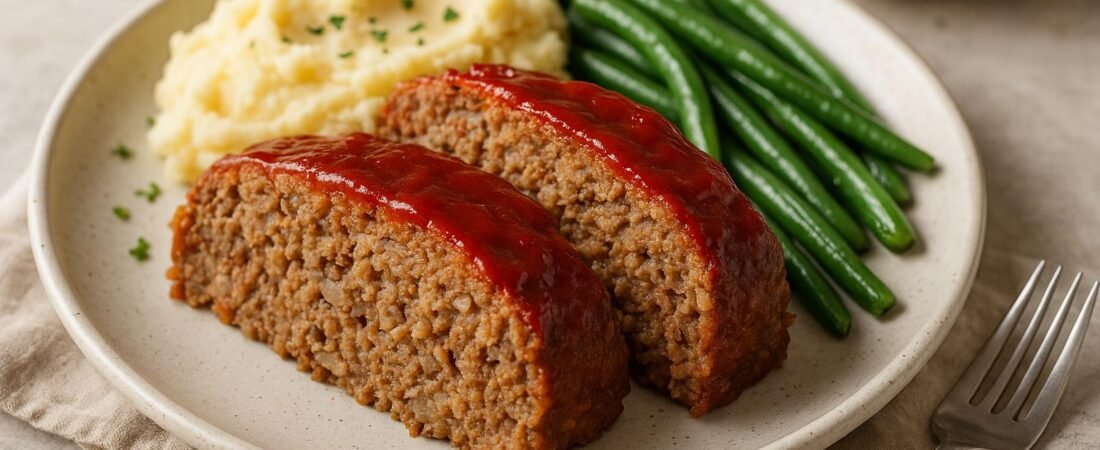
Few comfort foods inspire as much nostalgia as a well-made meatloaf. Simple yet endlessly adaptable, it bridges the gap between economical cooking and deeply satisfying flavor. Whether you are trying an easy meatloaf for a weeknight dinner or refining a traditional meatloaf for a special occasion, understanding its history, ingredients, and techniques will help you produce consistently excellent results.
What is Meatloaf?
History of Meatloaf
Meatloaf, in its most basic form, is a seasoned mixture of ground meat shaped into a loaf and cooked until tender. While it feels quintessentially American, its origins stretch back centuries. Early versions can be traced to ancient Rome, where ground meat was combined with wine, bread, and nuts. Similar preparations emerged throughout Europe, from German Falscher Hase (false hare) to Belgian meat cakes and Scandinavian meat puddings.
In the United States, meatloaf became widely popular in the late 19th and early 20th centuries, coinciding with the rise of industrial meat grinding and the need to stretch ingredients during lean economic periods. Cookbooks from the Great Depression era are filled with meatloaf recipes designed to turn inexpensive cuts into nourishing, flavorful meals. Over time, the dish evolved from frugality into a beloved staple of homemade cooking, anchoring family dinners and potlucks alike.
Traditional vs. Modern Meatloaf Recipes
Traditional meatloaf recipes typically rely on a straightforward combination of ground beef, breadcrumbs or soaked bread, eggs, onions, and simple seasonings like salt, pepper, and perhaps a hint of mustard or Worcestershire sauce. The loaf is often topped with a tomato-based glaze—frequently ketchup mixed with brown sugar and vinegar—and baked until it develops a glossy, caramelized exterior.
Modern interpretations broaden the palette considerably. Today, many home cooks experiment with blends of meats, such as beef, pork, veal, or turkey, to create the best meatloaf for their taste. Contemporary versions may include cheese, sautéed vegetables, fresh herbs, or global flavorings such as soy sauce, chipotle, curry pastes, or harissa. Some replace breadcrumbs with oats or almond flour, making it easier to accommodate specific dietary needs. The core concept remains unchanged, but the range of flavors and textures has expanded dramatically, offering countless meatloaf variations to suit diverse preferences.
Ingredients for the Perfect Meatloaf
Choosing the Right Meat
The choice of meat is fundamental to the success of any meatloaf recipe. Fat content determines both flavor and moisture, so selecting the right ratio is crucial. For beef, an 80/20 mix (80 percent lean, 20 percent fat) provides a rich yet juicy result. Leaner blends can lead to a dry, crumbly loaf, while excessive fat may cause the loaf to shrink and exude too much grease.
Many cooks find that a combination of meats delivers superior results. A classic trio of beef, pork, and veal yields a tender, finely textured loaf with depth of flavor. Pork contributes richness and a slight sweetness, while veal provides delicacy. For a lighter homemade meatloaf, ground turkey or chicken can be used, but these benefit from added moisture sources such as grated vegetables, soaked bread, or a touch of olive oil.
Beyond the meat itself, binders and extenders play a crucial role. Breadcrumbs, crushed crackers, or fresh bread soaked in milk help hold the mixture together and prevent toughness. Eggs act as an additional binder, giving structure without making the loaf dense. Balancing these meatloaf ingredients ensures a sliceable, tender texture that holds its shape without becoming heavy.
Essential Spices and Herbs for Flavor
Seasonings transform ground meat into a memorable dish. At a minimum, salt and freshly ground black pepper are indispensable, but a truly flavorful loaf benefits from a more nuanced mix. Onion and garlic, whether fresh, sautéed, or powdered, provide an aromatic foundation. Worcestershire sauce, Dijon mustard, or tomato paste contribute savory complexity and umami depth.
Herbs add freshness and character. Parsley is commonly used in traditional meatloaf, but thyme, oregano, basil, and rosemary can be equally effective, depending on the flavor profile you seek. For a more robust, rustic taste, consider smoked paprika, chili powder, or ground cumin. For a subtler, comforting profile, nutmeg or allspice used sparingly can yield a gentle warmth reminiscent of classic European meat dishes.
When developing your own meatloaf recipe, it is wise to season the mixture generously. Because the loaf is thick and dense, flavors can become muted during cooking. As a safeguard, some cooks fry a small portion of the mixture in a skillet before baking to test for seasoning balance, adjusting salt, herbs, and spices as needed.
Step-by-Step Guide to Cooking Meatloaf
Preparation Techniques for Beginners
Even for newcomers, cooking meatloaf can be straightforward if approached methodically. Begin by preparing your flavor base: finely chop onions, garlic, and any other vegetables, then sauté them in a bit of oil until soft and lightly golden. This step softens their texture and brings out sweetness, preventing the harshness that raw onions can impart.
Next, prepare your binder. If using fresh bread, tear it into small pieces and soak in milk or stock until softened, then gently squeeze out excess moisture. Place the ground meat in a large bowl and add the soaked bread, beaten eggs, cooled sautéed vegetables, and chosen seasonings. Mix gently with your hands or a fork. Overworking the mixture can result in a dense, rubbery loaf, so aim for an even distribution of ingredients without compressing the meat excessively.
Shape the mixture into a loaf on a parchment-lined baking sheet or in a loaf pan. Free-form loaves on a sheet pan tend to develop a more pronounced crust, while loaf pans encourage a more uniform, compact shape. At this stage, apply your glaze, usually a mixture of ketchup, tomato sauce, or barbecue sauce with a sweetener and a bit of acid. The glaze protects the surface, adds flavor, and creates an appealing sheen.
For those seeking an easy meatloaf process, assembling the mixture in advance and refrigerating it for several hours can enhance flavor and simplify meal preparation. Chilling also helps the loaf hold its shape during baking.
Cooking Methods: Oven vs. Slow Cooker
The traditional method for cooking meatloaf is baking it in the oven. Preheat the oven to around 350°F (175°C), and bake the loaf until it reaches an internal temperature of 160°F (71°C) for beef or pork, and 165°F (74°C) for poultry-based versions. Depending on size and thickness, this usually takes between 45 minutes and 1 hour 15 minutes. Allow the meatloaf to rest for at least 10 to 15 minutes before slicing; this helps redistribute juices and maintain a moist texture.
Baking offers distinct advantages. It promotes browning and caramelization on the surface, intensifying flavor and giving each slice an attractive crust. You can also easily adjust the glaze during cooking, adding an extra layer halfway through if desired.
The slow cooker, however, provides another reliable approach for cooking meatloaf, particularly helpful on busy days. Form the loaf and place it on a piece of parchment or foil inside the slow cooker, ensuring some space around the sides. Cook on low for 6 to 8 hours or on high for 3 to 4 hours, again ensuring the internal temperature reaches safe levels. The result is extraordinarily tender and moist, though less browned. To reintroduce a more traditional appearance, you may transfer the cooked loaf to a baking sheet, glaze it, and finish under a hot broiler for a few minutes.
Both methods can yield the best meatloaf; the choice depends on your scheduling needs and desired texture. The oven delivers more caramelization, while the slow cooker emphasizes succulence and convenience.
Variations and Serving Suggestions
Popular Meatloaf Variations
One of the enduring strengths of this dish is its adaptability. Numerous meatloaf variations allow you to tailor the dish to different cuisines, dietary preferences, and occasions.
- Classic American Loaf: Ground beef, breadcrumbs, onions, garlic, eggs, Worcestershire sauce, and a ketchup-brown sugar glaze. This remains the benchmark for many households.
- Italian-Inspired Meatloaf: A mixture of beef and pork combined with Parmesan cheese, Italian seasoning, fresh basil, and perhaps a core of mozzarella. It pairs well with marinara sauce and roasted vegetables.
- Turkey or Chicken Meatloaf: A lighter alternative that benefits from added moisture sources such as grated zucchini, carrots, or sautéed mushrooms. Season with herbs like thyme, sage, and parsley to enhance flavor.
- Stuffed Meatloaf: The loaf can be wrapped around fillings like cheese, sautéed spinach, roasted peppers, or hard-boiled eggs, creating a striking presentation when sliced.
- Global Flavored Versions: Incorporate curry spices and cilantro for an Indian-inspired loaf, chipotle and cumin for a Mexican-leaning flavor, or soy sauce, ginger, and scallions for an East Asian nuance.
By altering meats, seasonings, and additions, you can transform a simple homemade meatloaf into a dish that feels new and exciting without sacrificing its familiar comfort.
Side Dishes That Complement Meatloaf
The right accompaniments elevate meatloaf from a simple main course to a complete, memorable meal. Traditional pairings lean toward hearty, rustic sides that echo its home-style character.
- Mashed Potatoes: Creamy potatoes, with or without garlic, remain the most classic partner. They absorb the juices and sauce beautifully.
- Roasted or Steamed Vegetables: Green beans, carrots, Brussels sprouts, or broccoli add color and nutritional balance. Roasting intensifies flavor and introduces a pleasant char.
- Buttered Noodles or Rice Pilaf: Simple starches provide a neutral backdrop for robust flavors, particularly when the meatloaf includes bold seasonings or a tangy tomato glaze.
- Salads: A crisp green salad with a light vinaigrette counteracts the richness of the meat, offering freshness and contrast.
- Breads: Crusty rolls or cornbread are ideal for gathering any remaining sauce or pan juices.
For more inventive meatloaf serving ideas, consider slicing leftover meatloaf for sandwiches, layering it on toasted bread with lettuce, pickles, and a tangy sauce. It also works well crumbled into sauces, transformed into hash with potatoes and onions, or served atop a bed of grains with a bright, herbaceous dressing.
In conclusion, meatloaf is far more than a simple mixture of ground meat and seasonings. It is a versatile canvas for creativity, an accessible choice for novice cooks, and a reliable favorite for experienced ones. By selecting quality ingredients, handling the mixture gently, and choosing appropriate cooking methods, you can craft a meatloaf that is moist, flavorful, and deeply satisfying. Whether you lean toward a time-honored traditional meatloaf or prefer to explore contemporary twists, this enduring dish offers infinite possibilities for comforting, nourishing meals.
Discover More from Didier Lancelot
Amazon Author page: amazon.com/author/didierlancelot
Narmer Store: narmerstore.org
AI and Technology Ebooks
- Creative AI: Animated Drawings, Manga & Illustrations
- Build a Game with AI: The No-Code Guide
- AI Image Generation Made Easy
- Build a Website with AI: The No-Code Guide
- How to Connect AI to Your Blog: The Ultimate Automation Guide
- AI Productivity Habits: Get More Done in Less Time
- AI Avatars Made Easy
- The Book of AI Prompts: 100+ Proven Prompts
- Make Music with AI: Suno, Udio and AI Music Generators
- Click to Cash
- The Automated Edge: Outwork, Outpace, and Outperform with AI
- AI Side Hustle: How to Make Money with ChatGPT and AI Tools
- Work Smarter with AI
Health, Lifestyle and Home Ebooks
- Hidden Superfoods: The World’s Most Powerful Healing Foods
- Spanish Food: The Complete Cookbook for Authentic Home Cooking
- The Science of Happiness Explained
- The Psychology of Success
- The Secret Sauce of Consistency: What the Experts Don’t Tell You About Fitness
- The Complete Home Bartender’s Guide: Link 1 | Link 2
- Natural Beauty, Made Simple: Easy DIY Organic Skincare Recipes
- Garden Made Simple: Easy, Beginner-Friendly Techniques
- The Dog Training Bible