
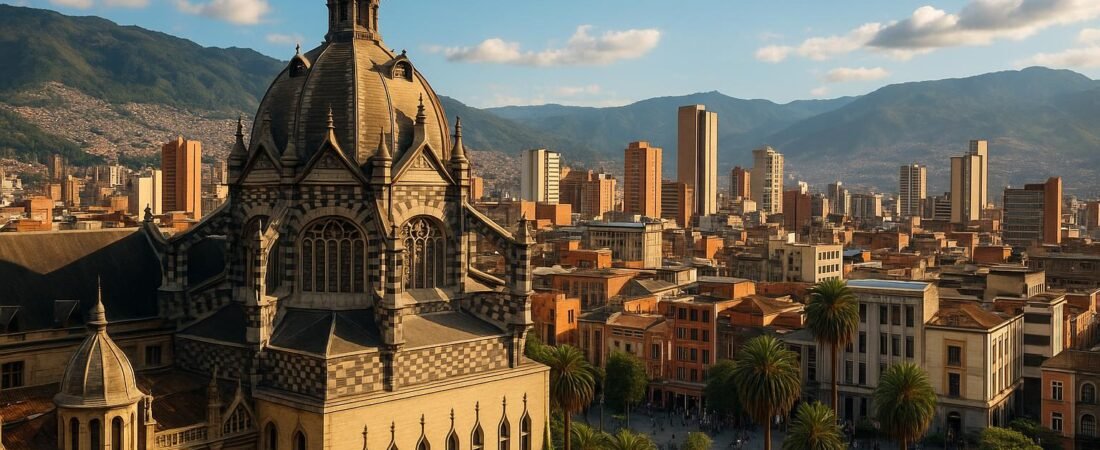
Medellín, once overshadowed by its turbulent past, has transformed into one of Latin America’s most compelling city destinations. Nestled in Colombia’s Aburrá Valley and known as the “City of Eternal Spring,” it blends innovation with a laid-back Andean lifestyle. Striking cable cars glide over the hills, street art covers once-forgotten walls, and leafy parks offer respite from the city’s hum. This guide explores when to visit, what to see, where to stay, and how to savor Medellín’s evolving culinary scene.
Best Time to Visit Medellín
Climate and Weather Overview
Medellín’s elevation—about 1,500 meters (4,900 feet) above sea level—creates a temperate, spring-like climate year-round. Average daytime temperatures hover between 22°C and 28°C (72°F–82°F), with cooler evenings that invite light layers rather than heavy jackets.
Instead of four distinct seasons, the city experiences alternating dry and rainy periods. The driest, sunniest months typically run from December to March and again from July to early September. These are ideal for outdoor activities such as walking tours, visits to botanical gardens, or day trips to nearby pueblos like Guatapé.
April–May and October–November bring more frequent showers, often in the afternoon or evening rather than all day. While rain can slightly disrupt plans, it also means fewer crowds and more competitive hotel rates. The lush hills surrounding the city are at their most vibrant during these months, making them attractive for travelers who do not mind packing a compact umbrella.
Key Events and Festivals
Choosing when to visit Medellín often comes down to its signature cultural events. Festivals here are exuberant, colorful, and deeply rooted in Antioquian traditions.
- Feria de las Flores (Flower Festival, late July–early August): Medellín’s most famous event, the Feria de las Flores transforms the city into a celebration of paisa culture. Parades of traditional silleteros—flower growers carrying elaborately designed floral arrangements—fill the streets. Expect concerts, horse parades, classic car shows, and an energetic atmosphere across parks and plazas. Accommodation prices rise and sell out early, so advance planning is essential.
- Christmas Lights (Alumbrados Navideños, December–early January): Medellín is renowned for its elaborate holiday light displays. The Medellín River, major avenues, and neighborhood parks become immersive light installations, drawing visitors from across Colombia. The festive season combines family-oriented activities with open-air concerts and extended hours at many attractions.
- Festival Internacional de Tango (June): Reflecting Medellín’s surprising tango legacy—Carlos Gardel died here in 1935—this festival features dance competitions, live music, and free performances in public spaces. It is an excellent time to experience the city’s cultural sophistication beyond its better-known reggaeton clubs.
- Book, Jazz, and Theatre Festivals (various months): Throughout the year, the city hosts international events such as Fiesta del Libro y la Cultura (Book and Culture Festival) and jazz and theatre showcases. These smaller gatherings offer a more relaxed way to connect with Medellín’s creative community.
For a balance of pleasant weather and manageable crowds, late January to March and August to early September are particularly favorable.
Top Attractions in Medellín
Must-Visit Parks and Gardens
Green spaces are integral to Medellín’s urban identity. The city’s parks and gardens provide peaceful enclaves and often double as cultural venues.
- Jardín Botánico Joaquín Antonio Uribe: This botanical garden, close to the Universidad metro station, is one of Medellín’s most serene corners. Its orchid collection, small lake, and striking wooden orchid pavilion make it ideal for unhurried walks. On weekends, you may find artisan markets and family picnics under the towering trees.
- Parque Arví: Situated high above the city on the eastern slopes, Parque Arví is reachable via a scenic Metrocable ride that alone justifies the trip. The sprawling nature reserve offers well-marked trails through pine forests and native vegetation, guided hikes led by local communities, and a weekend market with regional products. Cool temperatures and light mist give it a mountain-retreat feel.
- Cerro Nutibara & Pueblito Paisa: This hilltop park in the middle of the valley provides one of Medellín’s best 360-degree viewpoints. At the summit, Pueblito Paisa recreates a traditional Antioquian village square with colorful houses, a chapel, and local eateries. While touristy, it offers a gentle introduction to regional architecture and cuisine.
- Parque de los Deseos & Parque Explora Area: Near the botanical garden, this public space combines green areas with interactive science and culture. Families gather for open-air film screenings, and Parque Explora’s aquarium and science museum encourage hands-on learning about Colombia’s ecosystems.
- Parque Lleras & Parque del Poblado: In El Poblado, these compact urban parks act as social hubs. By day, they are convenient meeting points. By night, they anchor the neighborhood’s nightlife, surrounded by bars, restaurants, and cafés.
Cultural and Historical Landmarks
Medellín’s story is one of reinvention. Its museums, plazas, and neighborhoods reveal how the city confronted violence, invested in public infrastructure, and built a new identity around art and community.
- Plaza Botero & Museo de Antioquia: In the historic center, Plaza Botero showcases 23 monumental bronze sculptures donated by renowned Colombian artist Fernando Botero. Surrounding them, street vendors, musicians, and locals create a lively urban scene. Adjacent Museo de Antioquia presents an extensive Botero collection alongside pre-Columbian artifacts and modern Colombian art, providing valuable context on the region’s history and cultural evolution.
- Comuna 13: Once one of Medellín’s most violent districts, Comuna 13 now symbolises social transformation. Guided tours (highly recommended for context and community support) lead visitors through steep alleyways decorated with vivid murals, open-air escalators, and viewpoints over the valley. Street performers, local guides, and small businesses benefit directly from tourism, making this a powerful example of urban regeneration.
- Parque Berrío & The Historic Center: The city’s traditional heart surrounds Parque Berrío and nearby Plaza de Bolívar. Here you will find the Metropolitan Cathedral and a mix of historic and modern buildings. The area can feel chaotic but offers a raw, authentic portrait of Medellín’s urban core. Exercise normal big-city vigilance and explore during daylight hours.
- Casa de la Memoria Museum: This museum of memory examines Colombia’s armed conflict and Medellín’s violent past through multimedia exhibits and personal testimonies. It is sober but indispensable for travellers seeking to understand the depth of the city’s transformation.
- Metrocable & Urban Infrastructure: Medellín’s public transport system is itself an attraction. The elevated metro and its network of cable cars link hillside communities to the valley floor. Riding the Metrocable to barrios like Santo Domingo offers panoramic views and insight into how mobility projects reshaped daily life for residents.
Where to Stay in Medellín
Best Neighborhoods for Tourists
Choosing the right base in Medellín significantly shapes your experience. Each neighborhood offers a distinct atmosphere, level of convenience, and price range.
- El Poblado: The most popular district for visitors, El Poblado is known for its leafy streets, high-end restaurants, and abundance of hotels. Areas around Parque Lleras and Provenza are vibrant, walkable, and well-served by cafés, boutiques, and nightlife. It is one of the safest parts of the city, though also the most expensive and, at night, the liveliest.
- Laureles: West of the center, Laureles offers a more residential, local feel while still being convenient. Tree-lined avenues, traditional bakeries, and classic fondas (casual eateries) are complemented by modern bars and coworking spaces. The neighborhood’s circular street layout around La 70 and Segundo Parque de Laureles makes it easy to navigate and favored by long-stay travelers.
- Envigado: Technically a separate municipality just south of Medellín, Envigado feels like a small town absorbed by the metropolis. Its main square, local markets, and slower pace appeal to those who want authenticity without being far from the metro and major attractions. Nightlife is more low-key, centered on traditional taverns and family-friendly restaurants.
- El Centro (Downtown): Staying in the historic center puts you within walking distance of major landmarks like Plaza Botero and Museo de Antioquia. However, it is busier, more chaotic, and less polished than Poblado or Laureles. This area is better suited to experienced urban travelers who prioritize access and budget over ambiance.
Recommended Hotels and Accommodations
Medellín offers a wide range of accommodations, from boutique design hotels to serviced apartments and budget hostels. Consider your preferred balance between comfort, location, and local character.
- Boutique & Design Hotels in El Poblado: Numerous small to mid-sized properties in Provenza and around Parque Lleras feature contemporary design, rooftop pools or terraces, and strong Wi-Fi. These are ideal for travelers wanting style, comfort, and proximity to restaurants and bars.
- Business and Upscale Hotels: International chains and upscale Colombian brands operate near the Milla de Oro (Golden Mile) in El Poblado. These towers usually offer extensive amenities—fitness centers, conference facilities, and on-site dining—well-suited to business travelers or those seeking a familiar, full-service experience.
- Apartments and Aparthotels in Laureles and Envigado: For longer stays or more independence, serviced apartments are abundant. Options typically include kitchenettes, laundry access, and workspaces. Laureles is particularly popular with remote workers seeking a quieter environment while remaining close to cafés and gyms.
- Budget Hostels and Guesthouses: Medellín has a healthy hostel scene, especially in El Poblado and Laureles. Many offer private rooms alongside dorms, communal kitchens, and organized tours. They are often social but can be noisy, so light sleepers may want to confirm room location and house rules before booking.
Wherever you stay, confirm proximity to a metro station or reliable bus routes. Medellín’s public transport system is efficient and cost-effective, and easily outperforms relying solely on taxis or ride-hailing services during peak traffic.
Food and Dining in Medellín
Local Dishes to Try
Medellín’s gastronomy reflects Antioquia’s rural heritage: hearty, filling, and centered on local produce. In recent years, chefs have started reinterpreting traditional recipes with contemporary techniques, creating a dynamic food scene.
- Bandeja Paisa: The emblematic dish of the region, bandeja paisa is an abundant platter featuring beans, rice, ground or grilled beef, chicharrón (crispy pork belly), fried egg, plantain, avocado, and arepa. It is best shared or enjoyed when particularly hungry.
- Arepas Antioqueñas: Simple corn cakes, often thinner and drier than versions in other parts of Colombia, accompany most meals. They are served plain with butter and cheese or split and filled with meats, eggs, or avocado.
- Mondongo & Other Soups: Paisa cuisine includes rich soups such as mondongo (tripe), sancocho (a hearty broth with plantain, yuca, and meat), and cazuela de fríjoles (bean casserole). These dishes are comforting and particularly satisfying on cool, rainy days.
- Buñuelos, Empanadas, and Bakery Treats: For snacks, seek out buñuelos (fried cheese dough balls), freshly fried empanadas filled with meat or potatoes, and pandebono (cheese bread). Local bakeries are excellent for sampling pastries and observing everyday Medellín life.
- Tropical Fruits & Juices: Colombia’s biodiversity is on display in its fruit stalls. Try lulo, maracuyá (passion fruit), guanábana, and guava, either fresh or blended into juices. Visiting a neighborhood market to taste different fruits is a simple but memorable experience.
Popular Restaurants and Food Markets
From street food to fine dining, Medellín caters to a spectrum of tastes and budgets. The most interesting culinary pockets span El Poblado, Laureles, and the city’s traditional markets.
- Provenza & Parque Lleras (El Poblado): This area hosts many of the city’s trendsetting restaurants and cocktail bars. Menus range from elevated Colombian cuisine to international concepts—Peruvian cevicherías, Japanese-inspired fusion, and contemporary steakhouses. Reservations are advisable on weekends.
- Laureles’ La 70 and Around the Parks: In Laureles, the dining scene feels more local but equally diverse. Classic grills serve generous portions of grilled meats, while modern cafés offer specialty coffee and brunch. La 70 is also known for its casual bars and late-night snacks, particularly after football matches at nearby Estadio Atanasio Girardot.
- Traditional Markets (Plazas de Mercado): For an immersive experience, visit markets such as Plaza Minorista or Placita de Flórez. Here, stalls overflow with fresh fruits, vegetables, spices, and regional products. Some vendors offer set lunches (corrientes) featuring homestyle dishes at modest prices. Go earlier in the day, and consider hiring a guide if you want help navigating and tasting more adventurously.
- Specialty Coffee Shops: As a gateway to Colombia’s coffee-growing regions, Medellín boasts an ever-growing third-wave coffee scene. Independent cafés in El Poblado, Laureles, and Envigado highlight single-origin beans, alternative brewing methods, and barista-led tastings, providing a deeper appreciation of Colombian coffee culture.
- Street Food and Late-Night Eats: Around nightlife hubs and transit corridors, food carts sell hot dogs loaded with sauces, grilled chorizo, and arepas de choclo (sweet corn arepas with cheese). While standards vary, busy stalls with a steady local clientele are generally the best bet.
Conclusion
Medellín rewards travelers who look beyond its former reputation and engage with the city as it is today: inventive, resilient, and welcoming. The mild climate makes it a year-round destination, while its festivals, from the Flower Fair to the Christmas lights, add layers of cultural richness. Parks and cable cars reveal ambitious urban planning; museums and neighborhoods like Comuna 13 speak to a complex, hard-won transformation.
Whether you base yourself in energetic El Poblado, laid-back Laureles, or traditional Envigado, you will find a city that combines Andean hospitality with metropolitan sophistication. Add in deeply rooted paisa cuisine and a flourishing restaurant scene, and Medellín becomes far more than a stopover—it is a destination worth savoring in its own right.