
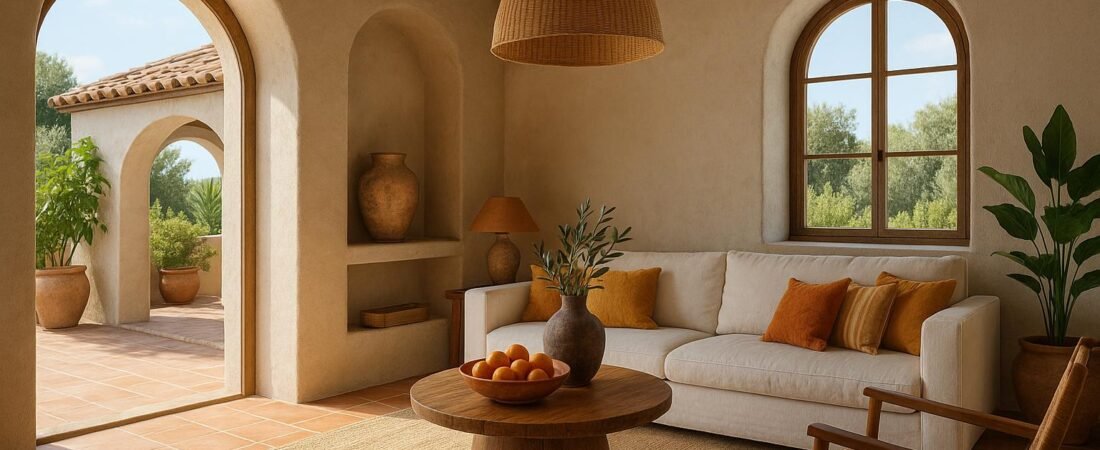
Warm, Inviting Mediterranean Interior Design: The New 2026 Look
Mediterranean interior design has always been about sunshine, natural materials, and a relaxed way of living. In 2026, that spirit is still intact—but the look has evolved. Today’s “New Mediterranean” or refined Mediterranean interior is softer, calmer, and far less theme-driven than the postcard-style coastal villas of the past.
Instead of blue-and-white clichés and heavy ornamentation, the modern approach prioritizes warm neutrals, tactile textures, sculptural wood, handmade ceramics, and a clear connection to nature. The result is a warm, inviting space that feels luxurious without trying too hard—more lived-in sanctuary than show home.
Below is a practical, trend-aware guide to creating this updated Mediterranean style in your own home.
What Is “New Mediterranean” Interior Design?
New Mediterranean design keeps the essential DNA of classic Mediterranean style—light, warmth, and natural materials—but strips away the fuss.
- Less ornate, more relaxed: Think clean lines, simple profiles, and subtle curves instead of heavy carvings and busy patterns.
- Texture over theme: Limewashed walls, plaster, raw wood, woven textiles, and handmade tiles replace overt coastal motifs.
- Calm, nature-first aesthetic: Deeper earth tones, honey woods, and organic shapes take priority over bright aqua and nautical decor.
- “Fewer, better” pieces: Spaces feel open and airy, with a focus on quality materials and visible craftsmanship.
The goal is not to recreate a villa on the Amalfi Coast. It’s to use sun-warmed materials and soft textures to create a home that feels relaxed, welcoming, and grounded in nature.
The Modern Mediterranean Color Palette
Color is where this style sets the mood immediately. For 2026, Mediterranean interiors lean into warm, sun-baked tones and layered neutrals.
Core Base Colors
- Creamy white: A soft, warm white for walls that brightens rooms without feeling stark.
- Sandy beige: Perfect for upholstery, rugs, or accent walls to add warmth and depth.
- Warm ochre and terracotta: Use in tiles, textiles, or pottery for that sun-drenched feel.
Earth and Sea Accents
- Olive green: Works beautifully on cabinetry, accent chairs, or cushions; it anchors the palette in nature.
- Deep sea blue: Best used sparingly in textiles, artwork, or a feature wall.
- Richer browns and wood tones: Honey oak, walnut, and patinaed finishes add sophistication and warmth.
To keep things cohesive, start with a base of cream and sand, then layer in 2–3 accent colors across textiles, ceramics, and art. The palette should feel sun-faded and harmonious, not high-contrast or overly bright.
Foundations: Walls, Floors, and Natural Light
Mediterranean interiors are built from the ground up: light, tactile walls; warm, durable floors; and abundant sunlight.
Walls: Soft, Textured, Light
- Limewash or plaster finishes: They create a softly mottled, velvety surface that catches light beautifully and instantly feels Mediterranean.
- Soft white or cream paint: If plaster isn’t feasible, choose a warm white with a matte finish for a similar effect.
- Arches and curves: Arched doorways, niches, or mirrors introduce iconic Mediterranean shapes in a subtle way.
Keep walls largely free of clutter. A few well-chosen pieces of art or a sculptural mirror will stand out more against a calm backdrop.
Floors: Terracotta Warmth and Stone Coolness
- Terracotta tile: Classic and timeless. Use in an entryway, kitchen, or sunroom for a true Mediterranean feel.
- Stone or stone-look porcelain: Limestone, travertine, or large-format porcelain in similar tones offers durability and an authentic look.
- Wood with warm undertones: Honey oak or medium-toned walnut works beautifully where you prefer timber over tile.
For modern homes, terracotta-look porcelain is a smart compromise—low maintenance, but with the warmth and texture of traditional clay tiles.
Light and Openness: The Non-Negotiable Element
- Maximize natural light: Keep window treatments light and airy—linen curtains, sheers, or simple shades.
- Connect indoors and outdoors: Glass doors to patios or balconies, and matching floor or wall materials, help blur the boundaries.
- Layered lighting: Complement daylight with warm-toned sconces, pendants, and table lamps in stone, ceramic, or aged metal.
The entire space should feel bright but not glaring, with soft, warm light that shifts throughout the day.
Key Mediterranean Materials for 2026
Natural, tactile materials define Mediterranean interior design. In the updated version, they’re used in a more restrained, sculptural way.
- Stone: Limestone, travertine, marble accents, or textured stone tiles for floors, backsplashes, and coffee tables.
- Wood: Visible grain, organic edges, and warm finishes. Think rustic beams, solid wood tables, and sculptural stools.
- Clay and ceramics: Unglazed pottery, handcrafted vases, and tiles with subtle variation.
- Linen and cotton: Breezy, breathable textiles for drapery, bedding, and slipcovers.
- Rattan and woven fibers: Seating, baskets, and lighting with natural texture.
- Wrought iron and aged metal: Slim lighting fixtures, hardware, and occasional furniture details.
When in doubt, choose the material that feels closest to its natural state. Slight imperfections, patina, and visible craftsmanship are part of the charm.
Texture Over Excess: How to Layer Without Clutter
Instead of elaborate decor and ornate details, contemporary Mediterranean design relies on texture to add interest and warmth.
- Textured walls: Limewash, plaster, or even a subtle textured paint treatment.
- Weathered wood: Dining tables, benches, coffee tables, or a single large console with a lived-in finish.
- Artisanal finishes: Handwoven blankets, embroidered cushions, hand-thrown ceramics, and small-batch tiles.
- Layered textiles: Combine flat-weave rugs with softer, thicker throws and cushions to create visual and tactile depth.
The key is restraint. Give each textured piece room to breathe so the eye can appreciate it, instead of overwhelming the space with too many competing elements.
Furniture: Relaxed, Refined, and “Fewer, Better”
Furniture in a Mediterranean-inspired living room or bedroom should feel comfortable, grounded, and honest in construction.
Silhouettes and Style
- Relaxed shapes: Low, deep sofas, rounded armchairs, and curved headboards soften the architecture.
- Visible craftsmanship: Joint details, carved edges, caning, and handwoven seats celebrate the making of each piece.
- Understated profiles: Avoid heavy, overly ornate furniture; opt for clean lines with the occasional sculptural curve.
Materials and Finishes
- Solid wood: Tables and chairs in oak, ash, or walnut with warm, natural finishes.
- Linen or cotton upholstery: Slipcovered sofas and chairs keep things casual yet elegant.
- Rattan and woven details: Accent chairs, headboards, or side tables add lightness and texture.
Rather than filling every corner, invest in a few high-quality pieces that anchor the room—a beautiful dining table, a generous sofa, a crafted sideboard—then leave negative space around them.
Textiles: Soft Layers for Warmth and Comfort
Textiles are where a Mediterranean interior really becomes inviting. They soften the architecture and bring color and pattern into the mix.
Rugs
- Flat-weave kilims or wool rugs: Ideal for living and dining rooms; they provide pattern and grounding without bulk.
- Natural fiber rugs: Jute or sisal in entryways or under dining tables for texture and durability.
Drapery
- Linen curtains: Floor-length, unlined or lightly lined, in off-white or soft neutrals to filter light beautifully.
- Simple hardware: Slim iron or wood rods that disappear visually and let the fabric be the focus.
Cushions and Throws
- Earthy tones and sea-inspired hues: Rust, terracotta, olive, sand, and deep blue.
- Subtle patterns: Stripes, small-scale geometrics, or traditional motifs in muted palettes.
- Natural fibers: Cotton, linen, and wool for a tactile, breathable feel.
The aim is an effortless, layered look that feels cozy and lived-in, not overly styled.
Accents and Decor: Character Without Clutter
A refined Mediterranean interior uses fewer decorative items, but each one has presence and personality.
Signature Accents
- Handmade pottery: Vases, pitchers, and bowls in clay, terracotta, or muted glazes.
- Arched mirrors and niches: These echo traditional Mediterranean architecture and bounce light around.
- Rustic or vintage pieces: A weathered stool, an antique cabinet, or a vintage rug adds soul to newer spaces.
- Woven baskets: Beautiful and practical storage for throws, magazines, or firewood.
Art and Styling
- Nature-inspired art: Landscapes, abstracts in earthy palettes, or line drawings.
- Simple, sculptural objects: Stone, wood, or ceramic pieces displayed sparingly on shelves and consoles.
- Greenery: Olive trees, fig plants, herbs in terracotta pots, and simple branches in vases.
Leave open space on shelves and walls. Mediterranean design breathes best when there’s room around each object.
Creating Indoor–Outdoor Flow
Indoor–outdoor living is central to true Mediterranean style, even if you’re not in a coastal climate.
- Unify palettes: Repeat interior colors and materials—terracotta pots, timber tones, linen cushions—on your terrace, balcony, or patio.
- Extend flooring if possible: Using similar tiles or tones indoors and out visually connects the spaces.
- Use lightweight, movable furniture: Rattan, metal, or solid wood pieces with outdoor-friendly cushions make it easy to adapt the space.
- Add shade and softness: Canopies, umbrellas, or pergolas with climbing plants help filter harsh light and make outdoor areas more usable.
Even in a small apartment, a few potted plants just outside a glass door, plus matching textiles inside and out, can create that Mediterranean sense of flow.
Room-by-Room Mediterranean Formula
Living Room
- Walls: Soft white or limewash, minimal wall art.
- Floors: Terracotta or warm wood, anchored by a flat-weave rug.
- Seating: Linen sofa, a pair of relaxed chairs, perhaps a woven accent chair.
- Coffee table: Solid wood, stone, or a combination, with rounded edges.
- Acc