
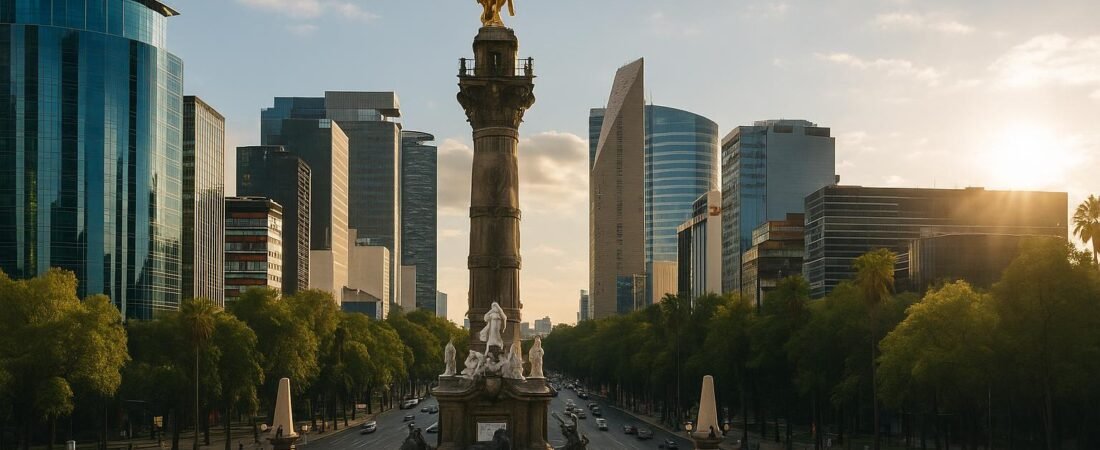
Mexico City is one of the most compelling urban destinations in the Americas: a vast, high-altitude metropolis where pre-Hispanic heritage, colonial architecture, and cutting-edge culture coexist. Travelers come for its world-class museums, dynamic food scene, leafy neighborhoods, and a sense of creative energy that runs late into the night. This guide focuses on the essentials—when to visit, what to see, where to stay, and what to eat—so you can design a trip that matches your pace and interests.
Best Time to Visit Mexico City
Weather and Climate Overview
Mexico City sits at an elevation of over 2,200 meters (7,300 feet), which moderates temperatures year-round. Days are typically mild to warm, while evenings can be surprisingly cool, especially in winter. Rather than four distinct seasons, the city experiences a dry season and a rainy season.
The dry season runs roughly from November to April. During these months, you can expect clear blue skies, low humidity, and daytime temperatures around 21–25°C (70–77°F). Nights in December and January can drop below 10°C (50°F), so a light jacket is essential. This period is ideal for extensive walking tours, rooftop dining, and day trips to nearby archaeological sites.
The rainy season stretches from May to October, with afternoon showers or thunderstorms on many days. Mornings are usually sunny, while rain tends to arrive later in the day and rarely lasts all night. Temperatures remain pleasant, hovering in the mid-20s°C (mid-70s°F), but humidity and occasional flooding can affect mobility. On the positive side, the city’s parks and gardens are at their greenest, and air quality can improve after storms wash dust and pollution from the air.
For first-time visitors, the most comfortable and predictable windows are March–May (before the heaviest rains) and late October–early December. These months balance agreeable weather with the added allure of cultural events and seasonal festivities.
Events and Festivals
Mexico City’s cultural calendar is packed, and timing your trip around a major event can transform your experience. However, popular celebrations also draw domestic and international visitors, affecting prices and availability, so planning ahead is crucial.
- Día de Muertos (Day of the Dead, late October–early November)
One of the city’s most emblematic periods, Day of the Dead is marked by altars, marigold displays, and processions. In recent years, Mexico City has added a large-scale parade inspired by film imagery, along with public installations and special museum programming. Hotels and flights sell out quickly, and crowds around central squares and cemeteries can be intense, but the atmosphere is unforgettable.
- Independence Day (September 15–16)
On the evening of September 15, the president delivers the “Grito de Dolores” from the National Palace, and the Zócalo fills with music, lights, and fireworks. The entire city feels festive, with street vendors, concerts, and neighborhood celebrations. If you enjoy large public events, this is a memorable time, though some services may operate on limited schedules on the 16th.
- Art and Design Fairs (February–March)
Mexico City has become a major hub for contemporary art and design. Fairs such as Zona Maco and Material Art Fair attract galleries, collectors, and artists from across the world. Cafés, galleries, and cultural spaces in neighborhoods like Roma, Condesa, and Juárez host pop-ups and special exhibitions, making this period especially enticing for art-focused travelers.
- Festival Internacional Cervantino en la Ciudad de México (October)
While the main Cervantino Festival takes place in Guanajuato, Mexico City hosts parallel concerts, theater productions, and performances. Combined with milder autumn weather, it is a good period for travelers interested in classical music, dance, and avant-garde productions.
- Christmas and New Year
December sees elaborate nativity scenes, Christmas markets, and a large ice rink or similar attraction set up in the Zócalo. Many residents travel during this period, which slightly reduces traffic but can mean some smaller businesses close between Christmas and New Year’s Day.
Top Attractions in Mexico City
Historical Sites and Museums
Mexico City’s historic core layers Aztec ruins, colonial grandeur, and modern political power in a compact area that rewards exploration on foot and with a guide.
- Zócalo and Metropolitan Cathedral
The vast main square, officially Plaza de la Constitución, has been a ceremonial heart since the days of Tenochtitlán. Today, it is framed by the National Palace and the Metropolitan Cathedral, a monumental church that combines baroque and neoclassical styles. Inside, you will find ornate altars and subterranean areas that reveal the cathedral’s complex foundations on soft lakebed soil.
- Templo Mayor
Just off the Zócalo, the Templo Mayor archaeological site reveals the remains of one of the principal temples of the Mexica (Aztec) capital. The on-site museum showcases offerings, sculptures, and ritual objects, including the famed Coyolxauhqui Stone. Visiting both the ruins and museum offers critical context for understanding the city’s pre-Hispanic origins.
- National Museum of Anthropology
Widely regarded as one of the best museums in Latin America, this institution in Chapultepec Park houses extraordinary collections from Mesoamerican civilizations. Highlights include the Aztec Sun Stone, colossal Olmec heads, and intricately carved Mayan stelae. Allocate at least half a day; focusing on a few cultures of interest (Mexica, Maya, Teotihuacan) prevents fatigue.
- Chapultepec Castle
Perched atop a forested hill, Chapultepec Castle offers sweeping views of the city’s skyline. The castle has served as a military academy, imperial residence, and presidential home. Today, its halls exhibit furnishings, portraits, and artifacts that trace Mexican political history from independence through the 20th century.
- Frida Kahlo Museum (Casa Azul)
Located in Coyoacán, Frida Kahlo’s former home is now a museum dedicated to her life and work. Blue-walled courtyards, personal objects, and a selection of paintings make this one of the city’s most visited attractions. Advance online reservations are strongly recommended, as time slots sell out quickly.
- Museo Soumaya and Museo Jumex
In the Polanco district, two complementary museums showcase different facets of art. The Soumaya, housed in an eye-catching silver structure, contains a private collection that includes European masters and Latin American works. Across the plaza, Museo Jumex focuses on contemporary art and rotating exhibitions.
Parks and Modern Landmarks
Beyond its historic core, Mexico City offers expansive green spaces, forward-looking architecture, and contemporary cultural venues.
- Bosque de Chapultepec
This vast urban park is often compared to Central Park in New York, though it is larger and more diverse. In addition to lakes, walking paths, and shaded lawns, the park hosts several major museums, including the National Museum of Anthropology and the Museum of Modern Art. Locals picnic, jog, and row boats on weekends, giving visitors a sense of everyday city life.
- Paseo de la Reforma and Angel de la Independencia
Paseo de la Reforma is a wide avenue lined with monuments, corporate towers, and cultural institutions. The Angel of Independence, a golden statue atop a towering column, serves as both a national symbol and a gathering place after sports victories and political events. Strolling along Reforma on a Sunday, when sections are closed to cars for the weekly ciclovía, is especially pleasant.
- Plaza de las Tres Culturas
In the Tlatelolco area, this plaza juxtaposes pre-Hispanic ruins, a colonial church, and modernist buildings in a single space, symbolizing Mexico’s layered identity. It is also a site of political memory, associated with the 1968 student movement and subsequent state repression. Visitors interested in modern history will find the memorials and museum particularly compelling.
- Soumaya–Carso Complex and Nuevo Polanco
The Nuevo Polanco district features striking contemporary architecture, high-end shopping, and cultural venues. In addition to the Soumaya and Jumex museums, the area offers design stores, galleries, and restaurants that illustrate Mexico City’s current phase of urban development.
- Xochimilco Canals
On the city’s southern edge, the canals of Xochimilco are remnants of an extensive pre-Hispanic lake and chinampa (floating garden) system. Colorful trajinera boats can be rented by the hour, often accompanied by mariachi bands and floating food vendors. While weekends can be lively and crowded, weekday mornings offer a calmer experience that emphasizes the ecological and historical significance of the area.
Where to Stay in Mexico City
Best Neighborhoods for Tourists
Choosing the right neighborhood significantly shapes your experience of Mexico City. Each district offers a distinct atmosphere, with varying access to public transport, nightlife, and cultural sites.
- Centro Histórico
The historic center is ideal for travelers who want to be surrounded by grand plazas, colonial architecture, and major landmarks. Staying here places you within walking distance of the Zócalo, Templo Mayor, and numerous museums. Nights are generally quieter than trendier districts, but some streets can feel empty after dark, so select accommodations on well-trafficked avenues.
- Roma and Condesa
These adjacent neighborhoods are favorites among visitors seeking tree-lined streets, early 20th-century architecture, and a concentration of restaurants, cafés, and boutique shops. Roma tends to be slightly more bohemian, with galleries and inventive eateries, while Condesa offers lush parks and an elegant residential feel. Both areas are well-connected by metro and rideshare services, and they provide a balanced base for first-time visitors.
- Polanco
Polanco is one of the city’s most upscale neighborhoods, known for high-end shopping on Avenida Presidente Masaryk, luxury hotels, and some of the country’s top restaurants. It borders Chapultepec Park, allowing easy access to major museums. Polanco suits travelers who prioritize comfort, security, and proximity to fine dining and contemporary art venues.
- Coyoacán
Coyoacán offers a more tranquil, village-like environment with cobblestone streets, leafy plazas, and a strong artistic legacy. It is home to the Frida Kahlo Museum and a variety of traditional markets and cafés. While farther from the central business districts, it is an appealing option for longer stays or for those who prefer a quieter, more residential setting.
- Juárez and Colonia Cuauhtémoc
Located close to Reforma, these neighborhoods have seen renewed interest due to their blend of office towers, historic mansions, and emerging restaurant and bar scenes. They offer a convenient central location with easier access to both the historic core and contemporary business districts.
Recommended Hotels and Accommodations
Mexico City’s accommodation options range from design-focused boutiques to large international chains. The following suggestions illustrate the types of properties available in key areas.
- Luxury Hotels
- Polanco and Reforma
Internationally branded hotels and high-end Mexican properties cluster around Polanco and along Paseo de la Reforma. Expect extensive amenities, refined service, and easy access to business and cultural attractions. Many feature rooftop bars with panoramic views, spa facilities, and in-house fine dining.
- Historic Center
Beautifully restored colonial buildings house luxury hotels near the Zócalo, some with terraces overlooking the cathedral and main square. These properties appeal to travelers seeking history and atmosphere without sacrificing modern comforts.
- Polanco and Reforma
- Boutique and Design Hotels
- Roma, Condesa, and Juárez
Smaller hotels and guesthouses in converted mansions or mid-century buildings offer character and personalized service. Design-forward interiors, curated art collections, and intimate courtyards are common. These properties often include excellent in-house cafés or cocktail bars that attract both guests and locals.
- Coyoacán
Charming bed-and-breakfasts and boutique inns in Coyoacán cater to travelers who prioritize neighborhood ambiance over centrality. Many feature gardens, patios, and traditional decor that reflect the area’s artistic heritage.
- Roma, Condesa, and Juárez
- Mid-Range and Budget Options
- Centro Histórico
Well-located mid-range hotels near major attractions provide excellent value, especially for first-time visitors focused on sightseeing. Look for properties close to metro stations and main thoroughfares for added convenience.
- Business Districts and Secondary Hubs
Standard business hotels and budget-friendly chains around areas like Insurgentes, World Trade Center, and some parts of Reforma offer consistent quality at competitive prices, especially on weekends when business travel slows.
- Centro Histórico
Regardless of budget, confirm that your chosen accommodation has reliable Wi-Fi, good ventilation or heating (important given the altitude), and clear safety protocols. In a city as large as Mexico City, staying near a metro line or major avenue can significantly reduce travel time.
Food and Dining in Mexico City
Must-Try Dishes and Street Food
Mexico City is one of the foremost culinary capitals in the world, where traditional recipes coexist with ambitious contemporary cuisine. Exploring local food is essential to understanding the city’s culture.
- Tacos al Pastor
Arguably the city’s signature taco, al pastor features marinated pork shaved from a vertical spit, often served with pineapple, onion, and cilantro. Stalls and taquerías specialize in subtle variations of seasoning and preparation. Ordering a few small tacos at different places over the course of your trip is an excellent way to compare styles.
- Street Corn and Ancestral Snacks
Elotes (grilled corn on the cob) and esquites (corn kernels served in a cup) are popular snacks, typically dressed with lime, chili powder, mayonnaise, and cheese. You will also encounter tlacoyos—oval-shaped masa patties stuffed with beans or cheese—and quesadillas filled with ingredients ranging from squash blossoms to huitlacoche (corn fungus), a prized local delicacy.
- Chilaquiles and Breakfast Dishes
Chilaquiles, consisting of lightly fried tortilla triangles simmered in red or green salsa and topped with cream, cheese, and sometimes an egg or shredded chicken, make for a hearty breakfast. Other typical morning options include tamales wrapped in corn husks and pan dulce (sweet breads) served with hot chocolate or coffee.
- Regional Specialties
Because Mexico City attracts residents from across the country, you will find regional staples such as cochinita pibil from the Yucatán, Oaxacan moles, and seafood tostadas inspired by Pacific coast cuisine. Markets like Mercado de Coyoacán and Mercado Roma integrate these flavors into stalls and small eateries.
- Sweet Treats and Drinks
Churros dusted with sugar and cinnamon, often served with dipping chocolate, are popular in classic churrerías. On warm days, paletas (artisan ice pops) and nieves (sorbets) offer refreshing relief. For beverages, sample aguas frescas flavored with hibiscus (jamaica), tamarind, or horchata, as well as regional mezcals and tequilas in specialized bars.
When enjoying street food, choose stands with a steady flow of local customers, as high turnover typically indicates freshness and reliable quality. Carry small bills and coins for easier transactions.
Top Restaurants for Different Budgets
Dining in Mexico City can be tailored to any budget, from informal markets to acclaimed tasting menus. The variety encourages travelers to mix experiences rather than sticking to a single category.
- Budget-Friendly: Markets and Local Eateries
For casual, economical meals, head to traditional markets and neighborhood fondas (small family-run diners). Mercado de San Juan offers a mix of everyday and more exotic ingredients, while Mercado de Coyoacán features an array of antojitos (snacks) and juices. In residential areas, fondas typically serve set lunches (comidas corridas) with soup, a main course, and drink at very reasonable prices.
- Mid-Range: Contemporary Mexican Bistros and Cafés
In Roma, Condesa, and Juárez, numerous bistros interpret Mexican ingredients through a modern lens without the formality or cost of fine dining. Menus might highlight seasonal produce, heirloom corn varieties, and inventive takes on classic dishes. These establishments often pair food with natural wines, craft beers, or creative cocktails, drawing a young, cosmopolitan crowd.
- High-End: Fine Dining and Tasting Menus
Mexico City is home to several internationally recognized restaurants that emphasize local sourcing, traditional techniques, and refined presentation. Multi-course tasting menus explore the diversity of Mexican ecosystems, from coastal seafood to highland corn and endemic herbs. Reservations are essential, often weeks or months in advance, particularly in Polanco and upscale parts of Roma and Condesa.
- Specialized Venues: Coffee, Mezcal, and Pastries
Coffee culture is thriving, with third-wave cafés showcasing beans from Chiapas, Oaxaca, and Veracruz. Mezcalerías and cocktail bars focus on agave spirits, guiding guests through tasting flights that highlight different regions and production methods. Bakeries blend European techniques with Mexican flavors, resulting in a refined take on classics like conchas and cuernitos.
Regardless of where you eat, consider making lunch your main meal, as many restaurants offer their most extensive menus in the afternoon. Dinner typically starts later than in many countries, with locals arriving from 8 p.m. onward at popular spots.
Conclusion
Mexico City rewards curiosity: every neighborhood, market, and museum reveals another layer of its complex identity. By aligning your visit with favorable weather, choosing a base that matches your interests, and balancing marquee attractions with time in parks and local eateries, you can experience both the city’s grand narratives and its everyday rhythms. Whether you are drawn by pre-Hispanic archaeology, modern art, street food, or fine dining, the capital offers a depth of experiences that easily justify multiple visits—and ensures that each trip feels distinct from the last.
Book
Creative AI:
Animated Drawings, Manga & Illustrations: The Complete Guide to Creating Your Own Animations and Comics with Artificial Intelligence