
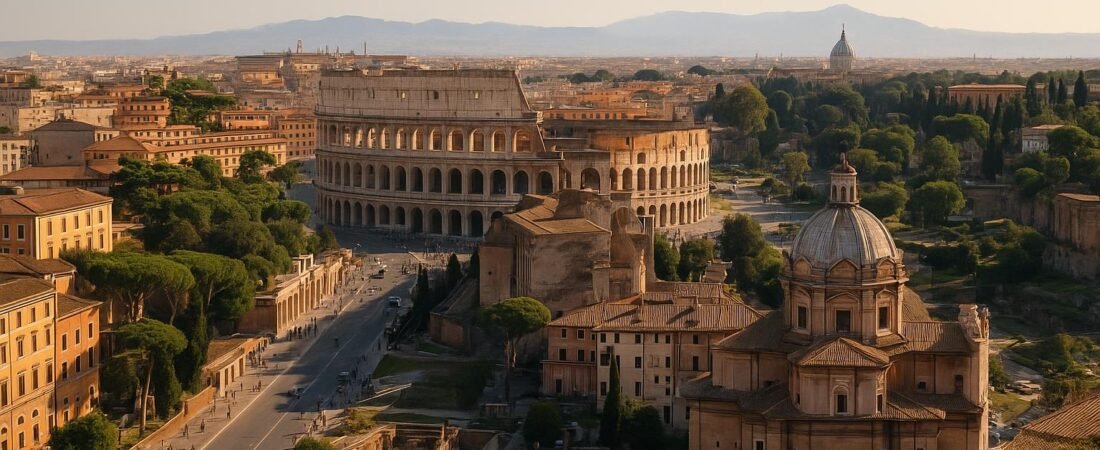
Rome is a city where ancient stones and contemporary life coexist in remarkable harmony. The Italian capital is at once an open-air museum, a thriving culinary destination, and a lived-in metropolis with distinct neighborhoods, each with its own cadence. Planning a trip here demands more than simply ticking off the Colosseum and the Vatican; it calls for an understanding of seasons, districts, and the quieter corners where Rome’s character reveals itself most clearly.
Best Time to Visit Rome
Seasonal Highlights
Rome is a year-round destination, but the experience changes significantly with the seasons. The ideal months for most travelers are generally April to early June and late September to October. During these shoulder seasons, the city is animated yet not overwhelmed, and temperatures are comfortable enough for long days on foot.
Spring (March–May) brings a sense of renewal to Rome. Wisteria and jasmine spill over stone walls, café terraces fill with locals, and major attractions are busy without reaching summer saturation. Holy Week and Easter are particularly atmospheric but also draw large crowds and higher prices. Advance booking for accommodation and Vatican-related activities is essential.
Summer (June–August) is high season in every sense: temperatures, visitor numbers, and prices all peak. Long daylight hours make it possible to explore early in the morning and again in the evening, leaving the hottest hours for long lunches or museum visits. August, when many Romans traditionally go on holiday, can feel paradoxical—packed with international visitors yet quieter in residential districts as some local businesses close.
Autumn (September–November) is arguably the most rewarding time to visit Rome. Early autumn still feels summery, with warm evenings ideal for dining outdoors. By late October and November, the city adopts a slower, more reflective pace. Cultural events, opera seasons, and exhibitions are in full swing, and queues at major landmarks shorten noticeably.
Winter (December–February) offers a different charm. Days are shorter and often cool, but crowds thin dramatically, and hotel rates can be significantly lower outside Christmas and New Year. Festive decorations illuminate piazzas, and churches host evocative seasonal concerts. Winter is also an excellent time to savor Roman cuisine at its most comforting, from hearty stews to artichokes and citrus fruits at their peak.
Weather Overview
Rome’s climate is typically Mediterranean: mild, wetter winters and hot, dry summers. Average summer temperatures range from 28°C to 32°C (82°F to 90°F), though heatwaves can push the mercury higher, particularly in July and August. Humidity, combined with reflective stone surfaces, can make central districts feel notably warmer than the forecast suggests.
In winter, daytime temperatures usually hover between 8°C and 15°C (46°F to 59°F). Snow is rare and tends to melt quickly when it does appear. Rainfall is most common from late autumn to early spring, but showers are often brief. A compact umbrella or lightweight waterproof layer is useful, especially between November and March.
Regardless of season, visitors should plan for substantial walking on cobblestones and uneven pavements. Comfortable footwear, sun protection from April to October, and layers for cooler evenings—even in late spring—are all advisable.
Top Attractions in Rome
Must-See Historical Sites
Rome’s most celebrated landmarks are concentrated within a relatively walkable area, yet each merits careful planning to avoid unnecessary queues and fatigue.
The Colosseum, Roman Forum, and Palatine Hill form the core of ancient Rome. The Colosseum, once an arena for gladiatorial contests, remains astonishing in scale and engineering. Combine a visit with the adjoining Forum—once the heart of political and commercial life—and the Palatine Hill, traditionally regarded as the birthplace of the city. Timed-entry tickets and, ideally, a guided tour or audio guide enhance understanding of these dense archaeological zones.
The Vatican Museums, Sistine Chapel, and St. Peter’s Basilica constitute the spiritual and artistic epicenter of Catholicism. The Vatican Museums house masterpieces from classical antiquity through the Renaissance, culminating in Michelangelo’s ceiling and Last Judgment in the Sistine Chapel. St. Peter’s Basilica, monumental yet intricate in detail, rewards close examination of its side chapels, sculptures, and mosaics. Reserving skip-the-line access is strongly recommended to avoid hours in line.
The Pantheon, originally a Roman temple and now a church, is one of the best-preserved structures from antiquity. Its immense dome and central oculus create a dramatic interplay of light and shadow throughout the day. Entry rules have evolved in recent years (including ticketing on certain days), so checking the latest visiting conditions before arrival is prudent.
The Trevi Fountain and Piazza di Spagna (Spanish Steps) remain iconic, though often crowded. Visiting at dawn or late at night allows you to appreciate the sculptural detail and atmosphere with fewer people. The classic ritual of tossing a coin into the Trevi Fountain persists, with proceeds supporting local charitable initiatives.
Piazza Navona, built atop the footprint of a Roman stadium, is one of Rome’s most elegant urban spaces. The baroque fountains, notably Bernini’s Fontana dei Quattro Fiumi, are complemented by surrounding palazzi, churches, and discreet side streets that lead to quieter corners of the historic center.
Hidden Gems
Beyond the marquee attractions, Rome rewards those who linger and explore less-publicized sites.
Trastevere’s backstreets reveal medieval lanes, ivy-draped façades, and intimate piazzas. The Basilica of Santa Maria in Trastevere boasts exquisite gold mosaics, while nearby alleys host small artisan workshops and family-run trattorie. Wandering here at twilight offers an evocative sense of old Rome, especially off the main thoroughfares.
Aventine Hill offers a serene escape. The orange garden, Giardino degli Aranci, frames a postcard-perfect view over the Tiber and the city skyline. Just a short walk away, the famous keyhole of the Knights of Malta presents an unexpectedly precise view of St. Peter’s dome, perfectly framed by manicured hedges.
Appian Way (Via Appia Antica) is one of the oldest and most atmospheric roads leading out of the city. Paved with ancient stones and lined with tombs, villas, and early Christian catacombs, it offers a powerful sense of antiquity in a semi-rural setting. Renting a bicycle on a Sunday, when traffic is restricted on parts of the road, is an excellent way to explore.
Palazzo Doria Pamphilj, a privately owned palace just off Via del Corso, contains an outstanding yet relatively uncrowded art collection. Works by Caravaggio, Velázquez, and Titian are displayed in opulent galleries that still feel like a family residence rather than a conventional museum.
Quartiere Coppedè, a small residential district northeast of the center, is an architectural curiosity where Liberty style, baroque, and fairytale motifs blend. Intricate façades, whimsical sculptures, and decorative lamps create a surreal setting far removed from the classical image of Rome.
Ostiense and street art districts show a different side of the city’s creativity. Large-scale murals by Italian and international artists animate former industrial zones, while repurposed warehouses house contemporary galleries, creative studios, and experimental dining concepts.
Where to Stay in Rome
Recommended Neighborhoods
Choosing the right neighborhood in Rome significantly shapes your experience. Distances on the map may appear modest, but traffic, cobblestones, and frequent stops for photographs quickly add up, so proximity to your main interests matters.
Centro Storico (Historic Center) places you within walking distance of major sights such as the Pantheon, Piazza Navona, and Trevi Fountain. Accommodation here ranges from intimate boutique hotels in historic palazzi to upscale apartments. It is ideal for first-time visitors who prioritize convenience and charm over space and budget.
Trastevere offers a more bohemian atmosphere. Narrow streets, abundant restaurants, and lively squares give the area a village-like feel. While evenings can be vibrant, especially around Piazza Trilussa, quieter corners exist deeper into the neighborhood. Trastevere suits travelers drawn to characterful streets and dining, with slightly less emphasis on immediate access to major monuments.
Monti, near the Colosseum and Termini station, blends artisan boutiques, wine bars, and small galleries with residential streets. It has a distinctly local aura despite its central location. Monti works well for visitors who want to be close to ancient sites while enjoying a more low-key nightlife and contemporary dining scene.
Prati, just north of the Vatican, is an elegant district with wide boulevards, fashion boutiques, and a calmer, residential character. It is particularly suitable for those planning extensive visits to Vatican City or for families seeking a quieter base with good public transport links to the historic center.
Testaccio and Ostiense appeal to food enthusiasts and those interested in Rome beyond the postcard version. Historically working-class areas, they are now hubs for authentic Roman cuisine, markets, and a growing contemporary culture scene. They are less central but well connected via metro and buses.
Best Hotels and Accommodations
Rome’s accommodation landscape includes everything from former monasteries to cutting-edge design hotels. Selecting the right property depends on your priorities: location, space, amenities, or atmosphere.
- Luxury hotels often occupy heritage buildings near the Spanish Steps, Via Veneto, or Piazza Navona. These properties typically feature rooftop terraces with panoramic views, refined restaurants, and concierge services adept at securing coveted reservations and private tours. Travelers seeking a “grand tour” ambience will find many suitable options here.
- Boutique hotels in neighborhoods like Monti, Trastevere, and the Centro Storico emphasize design, personalized service, and a sense of place. Restored palazzi with frescoed ceilings, hidden courtyards, or contemporary interiors behind historic façades offer a distinctively Roman atmosphere without the scale of large chains.
- Guesthouses and bed-and-breakfasts provide a more intimate, often more economical stay. These are scattered throughout the city, especially in residential districts such as Prati and Testaccio. Many are family-run, with hosts offering valuable local insights and recommendations.
- Serviced apartments and vacation rentals are ideal for longer stays, families, or those who wish to shop at markets and cook occasionally. The historic center, Trastevere, and Prati all offer numerous options, but it is important to confirm building accessibility (elevators are not always present) and to choose licensed properties compliant with local regulations.
- Mid-range and budget hotels cluster around Termini station and in outlying neighborhoods. While the immediate station area is practical for transport, it can feel less atmospheric. Careful research and recent guest reviews help identify reliable, comfortable options with good public transport access to the historic core.
Regardless of budget, booking well in advance is advisable, particularly during spring, early summer, and autumn, when demand for centrally located, well-reviewed accommodations is highest.
Food and Dining in Rome
Traditional Roman Dishes to Try
Roman cuisine is defined by simplicity, respect for ingredients, and a balance between robust flavors and unpretentious preparation. Many of the city’s emblematic dishes originate from cucina povera—resourceful cooking traditions that transform modest ingredients into memorable meals.
Cacio e pepe is perhaps the quintessential Roman pasta: tonnarelli or spaghetti dressed solely with Pecorino Romano cheese, black pepper, and starchy pasta water. When executed correctly, these elements form a velvety emulsion with surprising depth.
Carbonara in its authentic form contains no cream. Instead, it combines egg yolks, guanciale (cured pork jowl), Pecorino Romano, and black pepper. The heat of the pasta gently cooks the eggs, creating a rich, glossy sauce. Using pancetta or bacon is considered a concession to tradition rather than adherence.
Amatriciana, another classic, features guanciale, tomato, and Pecorino Romano, typically served with bucatini. Its origins lie in the nearby town of Amatrice, but the dish has been fully embraced by Roman trattorie.
Saltimbocca alla Romana pairs thin veal escalopes with prosciutto and sage, often cooked in white wine and butter. The name—“jump in the mouth”—reflects its immediacy of flavor. Many restaurants offer variations, but the traditional preparation remains widely available.
Carciofi (artichokes) are a cornerstone of Roman cooking in season, particularly from late winter to spring. Two primary preparations dominate: carciofi alla romana, braised with herbs and olive oil until tender, and carciofi alla giudia, a Jewish-Roman specialty in which artichokes are deep-fried until crisp and nutty.
Supplì, fried rice croquettes often stuffed with mozzarella and ragù, are a beloved street food and antipasto. They are an ideal introduction to Roman flavors for a quick snack between sights.
Trapizzino, a more recent invention, reimagines traditional stews and fillings—such as oxtail, chicken cacciatore, or eggplant parmigiana—served inside a pocket of pizza bianca. It exemplifies how Rome continues to evolve its food culture without abandoning its roots.
Best Restaurants and Cafés
Rome’s dining scene spans classic trattorie, contemporary bistros, wine-focused enotecas, and innovative fine-dining establishments. Understanding local dining patterns helps: lunch typically runs from around 12:30 to 14:30, dinner from 19:30 or 20:00 onward. Many restaurants close one day per week, often Sunday or Monday.
Traditional trattorie are the backbone of Roman gastronomy. In Trastevere, Testaccio, and Monti, you will find long-established spots serving time-honored recipes at shared or closely spaced tables. Look for concise menus, seasonal specials written on a board, and a mix of locals and visitors. Dishes such as cacio e pepe, coda alla vaccinara (oxtail stew), and seasonal vegetables are reliable indicators of a kitchen rooted in local tradition.
Modern Roman restaurants reinterpret classics with lighter techniques, creative presentations, and broader Mediterranean influences. Districts such as Prati, Ostiense, and parts of the historic center now host chefs who treat Roman recipes as a starting point for innovation, pairing them with curated wine lists and contemporary interiors. These venues are particularly appealing for travelers who have already sampled the staples and are seeking a more exploratory experience.
Pizzerie deserve a dedicated visit. In Rome, two main styles prevail: thin, crisp, wood-fired pizzas served in sit-down pizzerias, and pizza al taglio, sold by weight from large rectangular trays. The latter is ideal for a quick lunch or snack; try toppings such as potatoes and rosemary, zucchini blossoms with anchovies, or classic margherita. In the evenings, traditional pizzerie often become lively, communal spaces, making reservations advisable.
Cafés and bars (in the Italian sense) structure daily life. Breakfast typically consists of an espresso or cappuccino and a pastry, consumed standing at the bar. Ordering coffee at the counter is generally cheaper than table service. Throughout the day, cafés double as social hubs for quick espresso breaks and, later, for aperitivo—pre-dinner drinks often accompanied by small snacks.
Gelaterie are a highlight of any trip to Rome. Look for artisanal gelato made in-house, with subdued, natural colors and flavors that change with the seasons. Avoid places with unnaturally bright mounds of gelato piled high. Classic flavors such as pistachio, hazelnut, and stracciatella are reliable, but seasonal fruit sorbets and creative combinations are well worth sampling.
Enotecas (wine bars) offer curated selections of Italian and international wines by the glass, often accompanied by small plates, cheeses, and cured meats. They are excellent venues for discovering regional varieties such as Frascati from the nearby Castelli Romani or structured reds from Lazio and beyond.
For all but the most casual meals, especially on weekends and during high season, reservations are strongly recommended. Many restaurants now offer online booking, while smaller establishments may prefer phone calls or direct inquiries during off-peak hours.
Conclusion
Rome is a city that reveals itself in layers: imperial ruins beneath modern streets, baroque churches beside contemporary galleries, and centuries-old recipes served in both humble trattorie and ambitious restaurants. Deciding when to visit, where to stay, and how to balance iconic landmarks with quieter quarters can transform a brief stay into a deeply memorable journey.
By aligning your visit with favorable seasons, choosing a neighborhood that suits your interests, and allowing time beyond the main attractions to explore hidden hills, side streets, and local markets, you will experience a Rome that feels less like a backdrop and more like a living, breathing city. Whether it is your first encounter with the Eternal City or a return visit, Rome has an exceptional capacity to surprise, invite reflection, and linger in memory long after you have departed.