
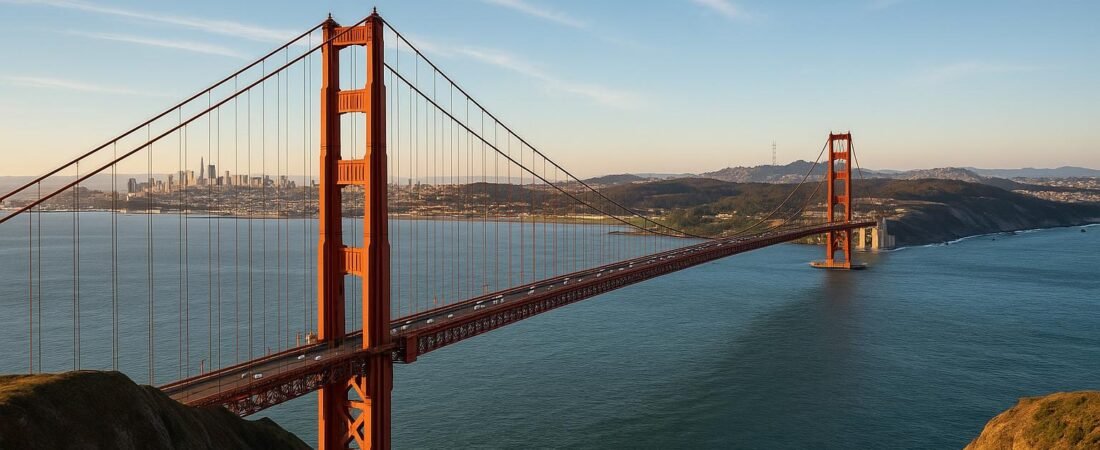
San Francisco is a compact city with an outsized presence. Perched on steep hills at the edge of the Pacific, it blends natural drama with a sophisticated urban culture: world-class restaurants, cutting-edge museums, storied neighborhoods, and enduring icons like the Golden Gate Bridge. Whether you are drawn by its literary past, its role in tech innovation, or simply the allure of the bay, planning your trip thoughtfully will help you experience the city at its best.
Best Time to Visit San Francisco
Climate Overview
San Francisco’s climate is famously idiosyncratic. Despite California’s reputation for endless sunshine, this coastal city is defined by microclimates, sudden fog, and mild temperatures year-round. Visitors are often surprised to find July cooler than October, and a sunny afternoon can swiftly give way to a chilly, wind-swept evening.
Spring (March to May) is generally one of the most pleasant times to visit. Temperatures are moderate, the hills surrounding the bay retain a touch of winter greenery, and the crowds are lighter than in midsummer. You can expect daytime highs in the 60s°F (mid-teens °C), with cool mornings and evenings that call for layers.
Summer (June to August) brings the famous marine layer, a thick band of fog that rolls in from the Pacific and blankets neighborhoods near the ocean and the Golden Gate. While the rest of the country swelters, San Francisco often lingers in the 60s°F, and the wind can make it feel colder. Neighborhoods further inland, such as the Mission District, are typically sunnier and a few degrees warmer.
Autumn (September to early November) is arguably the best season. Locals know that September often delivers the warmest, clearest weather of the year. Fog retreats, skies are bright, and evening strolls along the waterfront or through North Beach are particularly enjoyable. This “secret summer” tends to offer the most consistently pleasant conditions for sightseeing.
Winter (late November through February) is cool, with occasional rain and overcast days, but rarely severe. Temperatures usually sit in the 50s–60s°F (low to mid-teens °C). While this is the rainiest season, storms are interspersed with crisp, luminous days that can be excellent for exploring museums, cafés, and neighborhoods without the summer crowds.
Seasonal Events and Festivals
San Francisco’s cultural calendar is dense, with events that reflect its creativity, diversity, and progressive spirit. Timing your visit around a festival can add a distinctive dimension to your stay.
- Spring:
- Cherry Blossom Festival (April): Centered in Japantown, this celebration of Japanese culture features parades, music, martial arts demonstrations, and excellent regional cuisine.
- Bay to Breakers (May): A legendary costumed footrace traversing the city from the bay to Ocean Beach. Even spectators enjoy the surreal procession of runners and elaborate outfits.
- Summer:
- Pride Parade and Celebration (June): One of the world’s largest LGBTQ+ Pride events, transforming Market Street and Civic Center with floats, performances, and an exuberant atmosphere.
- Stern Grove Festival (June–August): A beloved series of free outdoor concerts in a forested amphitheater, featuring a mix of classical, jazz, and contemporary acts.
- Autumn:
- Hardly Strictly Bluegrass (October): A free, multi-stage music festival in Golden Gate Park showcasing folk, bluegrass, and a variety of related genres.
- Fleet Week (October): Air shows over the bay, ship tours, and waterfront festivities, with the Blue Angels often headlining.
- Winter:
- Chinese New Year Parade (January/February): Centered in Chinatown, this elaborate parade features lion dancers, floats, and one of the largest illuminated dragon displays in the world.
- SF Sketchfest (January/February): A major comedy festival with stand-up, improv, and live podcast recordings at venues across the city.
Top Attractions in San Francisco
Iconic Landmarks
San Francisco’s landmarks are more than postcard images; they shape the city’s skyline, history, and identity. Prioritizing a few of these sights will give you a strong sense of place.
Golden Gate Bridge: The city’s defining symbol spans the entrance to the bay in a striking International Orange hue. The best way to appreciate it is up close: walk or cycle across from the Welcome Center on the San Francisco side, or visit viewpoints such as Battery Spencer and Fort Point. Early morning often offers calmer winds and softer light for photography.
Alcatraz Island: Once a notorious federal prison, Alcatraz is now a compelling national park site. The audio tour, voiced by former guards and inmates, brings the island’s layered history to life—from its years as a prison to the Native American occupation in the late 1960s. Evening tours are particularly atmospheric and should be booked well in advance.
Fisherman’s Wharf and Pier 39: This waterfront area is tourist-oriented but offers classic bay scenery. Sea lions bask on floating docks, ferries depart for the Golden Gate and Alcatraz, and maritime history is on display at nearby Hyde Street Pier. It works well as a starting point for bay cruises or a stroll along the Embarcadero.
Lombard Street: Renowned as one of the “crookedest” streets in the world, this steep, switchback section in Russian Hill is lined with manicured gardens and historic homes. It is best appreciated on foot, walking up or down to admire the views rather than driving through the congestion.
Coit Tower: Perched atop Telegraph Hill, Coit Tower offers panoramic vistas over the bay and downtown. Inside, Depression-era murals depict California life in vivid detail. The short but steep walk up from North Beach is rewarded with citywide perspectives.
Golden Gate Park: Larger than New York’s Central Park, this expansive green space stretches from the Haight to the Pacific. Highlights include the Japanese Tea Garden, Stow Lake, and a network of trails ideal for walking or cycling. On Sundays, parts of the park close to cars, creating a particularly pleasant environment for pedestrians and cyclists.
Museums and Cultural Sites
San Francisco’s museums reflect its artistic ingenuity, scientific curiosity, and complex history. They also provide an excellent counterpoint to time spent outdoors—ideal when fog or rain rolls in.
San Francisco Museum of Modern Art (SFMOMA): One of the largest modern and contemporary art museums in the United States, SFMOMA houses an impressive collection of painting, sculpture, photography, and media art. The building itself, with its terraces and light-filled galleries, is a work of architecture worth exploring.
de Young Museum: Located in Golden Gate Park, the de Young specializes in American art, textile arts, and works from Africa and Oceania. The museum’s copper-clad exterior and free observation tower, which offers far-reaching views over the city, make it a standout cultural destination.
Asian Art Museum: This institution near Civic Center boasts one of the most comprehensive collections of Asian art in the world, spanning thousands of years and multiple cultures. It is an essential stop for anyone interested in the region’s history, sculpture, ceramics, and religious art.
Exploratorium: Situated on Pier 15 along the Embarcadero, the Exploratorium is an interactive museum of science, art, and human perception. Entirely hands-on, it appeals to both adults and children; exhibits invite you to experiment with light, sound, motion, and social behavior.
California Academy of Sciences: A multifaceted institution in Golden Gate Park that combines a natural history museum, aquarium, and planetarium under a living green roof. It is particularly engaging for families, though exhibits on biodiversity, climate, and earth sciences have broad appeal.
Mission District Murals: Beyond formal museums, the Mission District functions as an open-air gallery. Balmy Alley and Clarion Alley showcase political, cultural, and community-focused murals painted by local and international artists. A self-guided walk through these streets offers insight into the neighborhood’s social fabric and history.
Where to Stay in San Francisco
Neighborhoods to Consider
Choosing the right neighborhood in San Francisco profoundly shapes your experience. Distances are short, but steep hills and variable transit connections make location an important factor.
Union Square and Downtown: This area is the city’s commercial core, with major hotels, department stores, and easy access to public transportation, including BART and multiple Muni lines. It suits visitors who value centrality and efficient connections to neighborhoods across the city and the wider Bay Area.
Fisherman’s Wharf and the Waterfront: Ideal for first-time visitors keen to be near the bay, Alcatraz ferries, and Pier 39. The ambiance is lively and touristy, with plenty of family-friendly dining and entertainment. It is less central for exploring neighborhoods like the Mission or the Haight, but cable cars and buses link you to the rest of the city.
North Beach and Telegraph Hill: Once the haunt of Beat poets, North Beach retains its Italian heritage with espresso bars, trattorias, and independent bookshops. Staying here places you within walking distance of the waterfront, Chinatown, and downtown, while offering a more intimate, neighborhood feel.
SoMa (South of Market): A district of converted warehouses, tech offices, and modern apartment blocks, SoMa offers a mix of boutique hotels, loft-style accommodations, and nightlife. It is convenient for SFMOMA, the ballpark, and convention centers, making it popular with both leisure and business travelers.
The Mission District: Known for its vibrant Latino culture, dynamic food scene, and street art, the Mission is one of the sunniest neighborhoods in the city. Accommodations are more limited than downtown, but staying here immerses you in a creative, energetic environment with excellent dining at your doorstep.
Marina District and Cow Hollow: These adjacent neighborhoods offer a more residential atmosphere with leafy streets, boutiques, and proximity to the Presidio and waterfront paths. They appeal to those who prefer a quieter base while remaining within reach of major sights via bus or rideshare.
Types of Accommodations
San Francisco’s lodging options range from historic hotels to contemporary design properties and budget-conscious hostels. Selecting the right type will depend on your priorities—design, location, amenities, or price.
- Historic Hotels: Classic properties around Union Square and Nob Hill offer grand lobbies, traditional interiors, and a sense of old San Francisco elegance. They often include on-site bars and restaurants with city views.
- Boutique Hotels: Scattered throughout SoMa, the Mission, and smaller neighborhoods, boutique hotels prioritize distinct design, curated art, and personalized service. They are well suited to travelers seeking character and intimacy.
- Modern Business Hotels: Concentrated in downtown and near the Moscone Center, these properties emphasize convenience, reliable amenities, and efficient workspaces. They are a practical option for conferences or short city breaks.
- Guesthouses and Bed-and-Breakfasts: In areas like Hayes Valley, Pacific Heights, and the Marina, smaller guesthouses and B&Bs provide a more residential experience, sometimes in Victorian or Edwardian buildings that showcase the city’s architectural heritage.
- Hostels and Budget Stays: For cost-conscious travelers, hostels near downtown, Fisherman’s Wharf, and Fort Mason offer dormitory and private rooms, shared kitchens, and social activities that facilitate meeting other visitors.
- Extended-Stay and Apartment-Style Hotels: These accommodations include kitchenettes or full kitchens and are useful for longer stays or family trips, providing flexibility and a more home-like environment.
Food and Dining in San Francisco
Must-Try Dishes
San Francisco’s culinary culture is anchored in its proximity to the Pacific Ocean and the agricultural bounty of Northern California. The city pioneered farm-to-table dining and remains at the forefront of inventive, seasonal cuisine.
Sourdough Bread: The city’s signature sourdough, developed during the Gold Rush era, has a distinct tang derived from local wild yeast. Try it as a simple loaf, in a crusty baguette, or as a bread bowl filled with soup along the waterfront.
Cioppino: This robust seafood stew originated in North Beach’s Italian-American fishing community. Typically made with clams, mussels, crab, shrimp, and fish in a tomato-based broth, it is best enjoyed with plenty of bread to soak up the sauce.
Dungeness Crab: In season (usually late autumn through early spring), Dungeness crab is a local delicacy. It can be served simply cracked with butter and lemon, in crab cocktails, or folded into rich pasta dishes.
Mission-Style Burrito: A San Francisco original, the Mission-style burrito is oversized and generously stuffed with rice, beans, meat or grilled vegetables, salsa, and extras like sour cream and guacamole. It reflects both the neighborhood’s Mexican heritage and the city’s appetite for bold flavors.
Dim Sum: San Francisco’s historic Chinatown offers a vast range of dim sum, from traditional carts serving dumplings and buns to modern interpretations. Sampling a variety of small plates is an excellent way to experience the city’s Chinese culinary heritage.
Artisanal Coffee and Ice Cream: Specialty coffee roasters and small-batch ice cream makers are ubiquitous. Single-origin espresso, inventive ice cream flavors using local ingredients, and meticulously prepared pour-overs are part of the city’s everyday ritual.
Recommended Restaurants and Food Areas
San Francisco’s dining landscape is dynamic, with restaurants emphasizing seasonal menus, local sourcing, and diverse influences. Instead of focusing on individual venues, which change regularly, it is useful to think in terms of districts and culinary corridors.
Mission District: Perhaps the city’s most exciting food neighborhood, the Mission is home to taquerias, upscale California cuisine, natural wine bars, and inventive bakeries. Valencia Street and Mission Street form the central spine, where you can move from a casual burrito stand to a refined tasting menu within a few blocks.
North Beach: Historically Italian, North Beach is the place for espresso bars, pizzerias, and trattorias offering classic pasta dishes and seafood. It is also a pleasant neighborhood to linger over a late dinner and then walk to nearby viewpoints such as Telegraph Hill.
Chinatown: One of the oldest and largest Chinatowns in North America, this district is packed with dim sum parlors, noodle houses, and bakeries. Exploring its side streets and alleys reveals small, family-run establishments that specialize in particular regional cuisines or specific dishes.
Hayes Valley: A compact, design-conscious neighborhood with wine bars, contemporary bistros, and dessert shops. It is a good choice for a pre- or post-performance meal if you are attending events at the nearby symphony, opera, or performing arts venues.
Ferry Building and the Embarcadero: The Ferry Building Marketplace is a showcase for regional producers, with vendors selling oysters, cheeses, bread, chocolates, and prepared foods. On certain days, an expansive farmers’ market fills the surrounding plaza, offering fresh produce and ready-to-eat specialties—ideal for a scenic picnic along the waterfront.
SoMa and Dogpatch: These formerly industrial areas have evolved into hubs for breweries, gastropubs, and experimental restaurants. Converted warehouses now house tasting rooms and open kitchens, and the atmosphere is more local than touristy.
Across the city, you will also find excellent food trucks, pop-up concepts, and temporary residencies in established kitchens. Remaining open to discovery—and occasionally following local crowds—often leads to memorable, unplanned meals.
Conclusion
San Francisco rewards curiosity. A single day might include fog drifting beneath the Golden Gate Bridge, contemporary art in a soaring museum, dim sum in a bustling alleyway, and sunset over the Pacific from the dunes at Ocean Beach. By considering when to visit, selecting a neighborhood that matches your style, and exploring both iconic sights and lesser-known corners, you can experience a city that is at once refined and improvisational. With thoughtful planning and a willingness to wander, San Francisco reveals itself not only as a destination, but as a place you may find yourself eager to return to, season after season.