
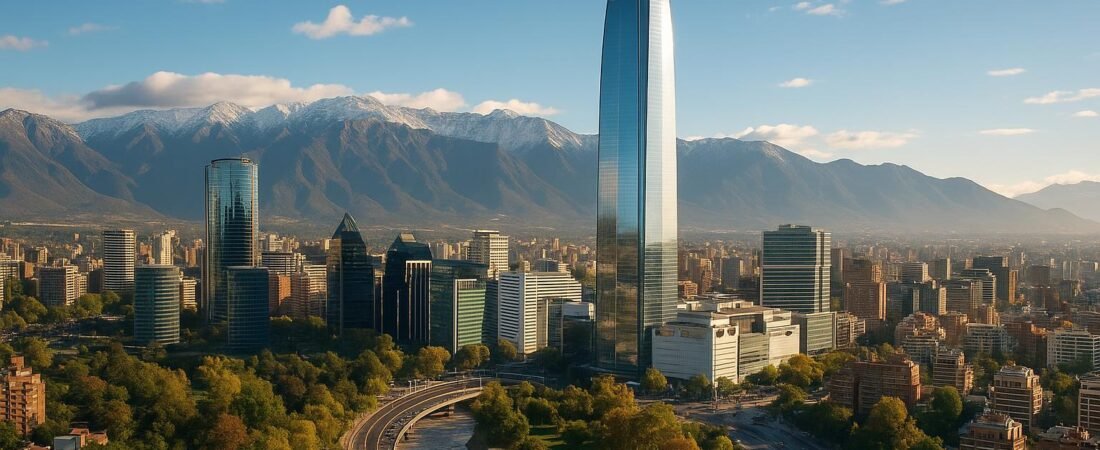
Santiago, Chile’s dynamic capital, is a city of striking contrasts: snow-capped Andes on one side, fertile valleys and vineyards on the other; contemporary architecture rising alongside neoclassical palaces and colonial churches. It is a destination that rewards both first-time visitors and seasoned travelers with art, gastronomy, history, and outdoor adventures. This guide explores when to visit, what to see, where to stay, and how to eat your way through this cosmopolitan hub of Latin America.
Best Time to Visit Santiago
Climate and Weather Patterns
Santiago enjoys a Mediterranean climate, with hot, dry summers and cool, wet winters. The city’s position in a valley surrounded by mountains moderates temperatures but can also trap smog, especially in the heat of summer.
Summer (December to February) brings long, sunny days with average highs around 29°C (84°F). The skies are reliably blue, ideal for rooftop terraces and day trips to nearby wineries. However, this is also the busiest period for domestic tourism and outdoor pollution levels can be higher.
Autumn (March to May) is arguably the most pleasant season. Daytime temperatures are comfortable, hovering around 20–25°C (68–77°F), and evenings grow crisp. Vineyards in the Maipo and Casablanca valleys turn amber and crimson, creating superb conditions for wine tours and photography. Crowds thin, hotel rates often soften, and visibility of the Andes improves as the air cools.
Winter (June to August) is cool but rarely extreme in the city itself, with daytime temperatures typically between 10–15°C (50–59°F). Rainfall is concentrated in this season, giving the surrounding mountains a dramatic blanket of snow. For skiers and snowboarders, this is the best time to use Santiago as a base for the nearby Andean ski resorts such as Valle Nevado, La Parva, and El Colorado.
Spring (September to November) feels like a milder version of autumn, with blooming parks, rising temperatures, and clearer air. It is another exceptional window for urban exploration, hiking in the nearby foothills, and enjoying café terraces without the intensity of summer heat.
Annual Events and Festivals
Santiago’s cultural calendar is rich and diverse, with events highlighting cinema, wine, gastronomy, and national traditions.
- Fondas & Fiestas Patrias (September) – Chile’s Independence celebrations around September 18 transform the city into one large festival. Public parks host “fondas” with traditional food, cueca dancing, and live music. For visitors, it is the most immersive time to witness Chilean folklore and conviviality, though advance reservations are essential.
- Santiago a Mil (January) – One of Latin America’s premier performing arts festivals, Santiago a Mil brings theater, dance, circus arts, and street performances to venues and public spaces across the city. Many events are free or low-cost, making high-caliber culture widely accessible.
- Vendimia Harvest Celebrations (March–April) – While the main wine harvest festivals take place in nearby valleys, Santiago participates with tastings, food fairs, and wine-themed events. It is an excellent period for oenophiles to combine city sightseeing with vineyard excursions.
- International Film Festival of Santiago (Sanfic, August) – A major cinematic event featuring premieres, retrospectives, and talks. Sanfic attracts filmmakers and cinephiles from across the region and adds a sophisticated edge to Santiago’s winter.
Top Attractions in Santiago
Must-See Landmarks
Santiago’s most emblematic sites reveal the city’s layers of history and its evolving urban identity.
Cerro San Cristóbal rises over the Bellavista neighborhood, providing sweeping panoramas of the skyline and the Andes. You can ascend via funicular, cable car, or walking trails. At the summit, a monumental statue of the Virgin Mary and landscaped gardens create a tranquil vantage point above the bustle.
Plaza de Armas is the historic heart of Santiago. This square dates back to the city’s founding in 1541 and is framed by key heritage buildings: the Metropolitan Cathedral, the Central Post Office, and the Palacio de la Real Audiencia. The plaza offers a microcosm of local life, with chess players, street artists, and families gathering under palm trees.
La Moneda Palace, the presidential seat, is central to Chile’s modern political history. The neoclassical building was bombed during the 1973 coup, and its reconstruction symbolizes the country’s democratic resurgence. Timed visits allow you to explore the courtyards and, with prior reservation, interior areas. The ceremonial changing of the guard is a dignified spectacle worth planning around.
Cerro Santa Lucía is a smaller hill in the city center, ideal for a short, scenic climb. Stone staircases, ornate fountains, and terraces lead to viewpoints overlooking downtown Santiago. The historic fortifications and landscaped paths make it a delightful pause between museums and shopping streets.
Cultural Experiences and Museums
Santiago’s museums and cultural institutions delve deeply into Chile’s complex past and vibrant present, offering important context for what you see on the streets.
The Museo Chileno de Arte Precolombino houses one of South America’s finest collections of pre-Columbian art. Meticulously curated galleries display textiles, pottery, and ceremonial objects from ancient cultures across the continent, emphasizing indigenous worldviews and craftsmanship.
The Museo de la Memoria y los Derechos Humanos (Museum of Memory and Human Rights) documents the human rights violations committed during the Pinochet dictatorship. Through testimonies, photographs, and personal artifacts, it tells a sober, powerful story. A visit here is emotionally demanding but indispensable for understanding contemporary Chile.
Museo Nacional de Bellas Artes, set within a striking Beaux-Arts building bordering Parque Forestal, showcases Chilean and international art from colonial times to the present. Its neighbor, the Museo de Arte Contemporáneo, focuses on modern and experimental works, demonstrating Santiago’s active dialogue with global artistic trends.
To experience literary culture, head to La Chascona, one of poet Pablo Neruda’s eccentric houses, nestled in Bellavista. Its nautical-inspired architecture, quirky décor, and hilltop garden reveal Neruda’s passions and political commitments. Audio tours, available in multiple languages, add rich commentary.
Beyond museums, Santiago’s theater and music scenes are thriving. The Teatro Municipal de Santiago presents opera, ballet, and classical music in an opulent 19th-century hall, while smaller theaters in Providencia and Ñuñoa stage contemporary Chilean plays. Jazz bars, live rock venues, and peñas (folk music gatherings) add further layers to the cultural landscape.
Where to Stay in Santiago
Best Neighborhoods for Tourists
Santiago’s barrios each have distinct personalities. Choosing the right base can shape your experience of the city.
- Lastarria – A compact, bohemian quarter favored by design-conscious travelers. Cobblestone streets, art-house cinemas, wine bars, and galleries cluster around leafy plazas. It is walkable to key museums, Cerro Santa Lucía, and the city center, making it ideal for culture-focused stays.
- Bellavista – Santiago’s artistic and nightlife hub, located between the Mapocho River and Cerro San Cristóbal. Murals, theaters, and lively restaurants abound. It suits travelers interested in nightlife and street art, though some streets can be noisy late into the night.
- Providencia – A broad, safe, and well-connected district balancing residential calm with a solid selection of shops, cafés, and restaurants. Proximity to multiple metro lines makes it practical for exploring the entire city. Eastern Providencia, closer to the Costanera Center, has a more modern, business-oriented vibe.
- Vitacura and Las Condes – Affluent districts with wide avenues, high-end shopping, and some of the city’s most polished hotels. Vitacura, particularly around Alonso de Córdova and Nueva Costanera, is noted for art galleries and fine dining. These neighborhoods offer comfort and security, though they feel more corporate and less historic.
- Centro (Downtown) – The area around Plaza de Armas and La Moneda offers proximity to landmarks and an authentic sense of urban life. It can be hectic and less polished outside business hours, but for travelers who prioritize location and public transport, it remains a compelling choice.
Recommended Hotels and Accommodations
Santiago’s accommodation options range from intimate boutique properties to major international chains. Booking ahead is advisable during festivals, holidays, and the peak summer and ski seasons.
- Boutique Hotels in Lastarria – Stylish small hotels and design-forward guesthouses occupy restored historic buildings here. They typically feature curated interiors, personalized service, and on-site restaurants or wine bars. Staying in Lastarria places you within walking distance of museums, parks, and metro stations.
- Design Hotels in Bellavista – Bellavista hosts contemporary boutique hotels with rooftop terraces overlooking Cerro San Cristóbal. These properties appeal to travelers who value modern aesthetics and proximity to nightlife, galleries, and Neruda’s La Chascona.
- Business and Luxury Hotels in Las Condes and Vitacura – International brands and upscale Chilean chains cluster here, offering spacious rooms, full-service spas, conference facilities, and refined dining. They are recommended for business travelers, families seeking predictability, and visitors who plan day trips and prefer returning to a tranquil base.
- Apart-hotels and Serviced Apartments – Scattered across Providencia and the city center, these are ideal for longer stays or travelers who prefer kitchen facilities. They allow more independence while maintaining hotel-style amenities such as housekeeping and reception services.
- Budget Options and Hostels – Backpacker-oriented hostels and simple guesthouses concentrate in Bellavista, Barrio Brasil, and parts of the center. Many offer private rooms in addition to dormitories, communal kitchens, and social common areas, fostering interaction among travelers.
Food and Dining in Santiago
Traditional Dishes to Try
Santiago’s cuisine reflects Chile’s geography, combining Pacific seafood, Andean agriculture, and European influences. Exploring traditional dishes is a fundamental part of understanding the city.
Empanadas are ubiquitous, but the classic empanada de pino is particularly emblematic: a baked pastry filled with minced beef, onions, hard-boiled egg, olives, and sometimes raisins. Sold in bakeries and specialized “empanaderías,” they make a satisfying quick meal.
Cazuela is a comforting stew, especially welcome in cooler months. Typically prepared with beef or chicken, pumpkin, potatoes, corn, and other vegetables, it is served in deep bowls with a clear, flavorful broth. It encapsulates Chilean home cooking.
Pastel de choclo layers ground beef, chicken, olives, and egg under a sweet corn purée, baked until golden. It combines savory and sweet elements in a way that often surprises international visitors, yet quickly becomes a favorite.
Completo, Chile’s exuberant take on the hot dog, is topped with sauerkraut, tomatoes, mayonnaise, and other condiments. The “italiano” version, colored with avocado, tomato, and mayo, mirrors the Italian flag and is a late-night staple.
Seafood is indispensable. Reineta, congrio (conger eel), and merluza (hake) appear frequently, whether fried, grilled, or in hearty stews such as caldillo de congrio, a dish famously celebrated by Pablo Neruda. In season, locos (Chilean abalone) and machas a la parmesana (razor clams with parmesan) showcase the richness of Chile’s coast.
To accompany meals, sample Chilean wines from the Maipo, Colchagua, and Casablanca valleys. Carménère, once thought extinct, is now a national specialty. For something more casual, try a pisco sour as an aperitif or a terremoto cocktail in a traditional bar.
Popular Restaurants and Food Markets
Santiago’s dining scene spans contemporary fine dining, traditional taverns, and bustling markets. Planning a mix of these experiences yields a nuanced sense of the city’s culinary identity.
Mercado Central, the historic central market near the Mapocho River, is renowned for its seafood stalls and small eateries. Here you can watch fishmongers at work, then sit down for a bowl of fish soup or grilled conger eel. While some restaurants cater heavily to tourists, venturing beyond the central aisles often reveals more authentic, modestly priced options.
Across the river, La Vega Central is a sprawling produce market supplying much of Santiago. It is an excellent place to see the abundance of Chilean fruits, vegetables, and spices. Simple eateries inside serve generous plates of homestyle food at very reasonable prices, giving a glimpse of everyday culinary life.
For modern Chilean cuisine, Santiago boasts a growing cadre of chefs who reinterpret local ingredients with contemporary techniques. In neighborhoods like Lastarria, Vitacura, and Nueva Costanera, you will find restaurants offering tasting menus, inventive seafood dishes, and refined versions of classics such as charquicán or chancho en piedra. These venues pair food with carefully curated local wine lists and often require reservations, particularly on weekends.
Casual dining is equally rewarding. Sangucherías specialize in overstuffed sandwiches filled with sliced beef, pork, or chicken, avocado, and tomato, served on marraqueta or frica rolls. In Bellavista and Providencia, sidewalk cafés and bistros serve salads, pasta, and lighter fare, ideal after a morning of museum visits.
Do not overlook Santiago’s bakery and café culture. Morning and afternoon “once” (a light tea-time meal) is a cherished tradition, built around fresh bread, cakes, and coffee or tea. Bakeries across the city offer berlinés, tortas, and alfajores for those with a sweet inclination.
Conclusion
Santiago is far more than a gateway to Chile’s wine valleys, mountains, and coastline. It is a complex, evolving capital where history, culture, and gastronomy converge under the watchful gaze of the Andes. By choosing the right season, exploring both its monumental landmarks and intimate neighborhoods, and engaging deeply with its museums and markets, you gain a nuanced understanding of Chilean society.
Whether you come for the arts festivals of summer, the colors of autumn vineyards, winter ski slopes, or springtime parks in bloom, Santiago rewards curiosity and unhurried exploration. Plan thoughtfully, but leave room in your itinerary to wander, taste, and observe. The city’s character often reveals itself in its quiet side streets, local eateries, and everyday rituals as much as in its grandest views.