
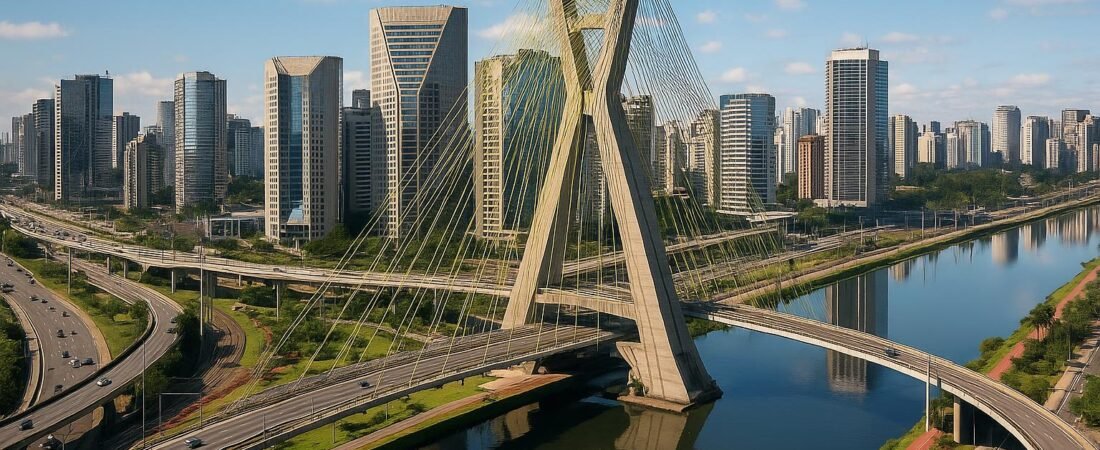
São Paulo is a metropolis of superlatives: Brazil’s largest city, a cultural powerhouse, a culinary capital, and a place where business towers and leafy neighborhoods coexist in a dynamic, ever-evolving urban tapestry. For travelers, it offers world-class museums, vibrant nightlife, cutting-edge gastronomy, and an authentic introduction to contemporary Brazilian life. This guide covers everything you need to plan a trip to São Paulo, from the best time to visit and where to stay, to how to navigate the city and keep your budget in check.
Best Time to Visit São Paulo
Climate Overview
São Paulo has a subtropical climate with relatively mild temperatures year-round, especially compared with many other Brazilian cities. Summers (December to March) are warm and humid, with average daytime highs around 27–30°C (81–86°F) and frequent afternoon showers. Winters (June to August) are cooler and drier, with temperatures often ranging between 12–22°C (54–72°F), though occasional cold fronts can bring chillier evenings.
Rain is more common from October through March, usually in short, intense bursts rather than all-day downpours. The city’s altitude—about 760 meters (2,493 feet) above sea level—helps moderate the heat, but humidity can still feel heavy during the wettest months. Air quality can fluctuate, particularly during dry winter days, so sensitive travelers may wish to keep an eye on local alerts.
Seasonal Highlights
Spring (September–November): This is often considered one of the best times to visit São Paulo. Temperatures are pleasant, jacaranda trees bloom in purple along major avenues, and rainfall is moderate. It is an ideal period for walking Avenida Paulista, exploring parks, and enjoying rooftop bars.
Summer (December–March): The city is lively, with longer days, outdoor events, and a high-energy atmosphere leading up to and following Carnival. Expect more humidity and afternoon thunderstorms, which can disrupt traffic. On the plus side, many locals leave town in late December and January, so business districts may feel quieter.
Autumn (April–May): This shoulder season combines stable weather, less rain, and fewer crowds. Museum visits, gastronomic tours, and day trips are especially enjoyable. It is also a good time for hotel deals compared with peak holiday periods.
Winter (June–August): Cool, often sunny days make walking tours pleasant, though evenings can be surprisingly cold. Cultural programming is rich during this time, with film festivals, concerts, and theater performances. This season suits travelers more interested in culture and cuisine than poolside lounging.
Top Attractions in São Paulo
Must-See Landmarks
Avenida Paulista: The city’s financial and cultural artery, Avenida Paulista is lined with gleaming towers, parks, shopping centers, and cultural institutions. It is particularly enjoyable on Sundays, when the avenue is closed to cars and fills with cyclists, performers, and families.
Museu de Arte de São Paulo (MASP): Located on Avenida Paulista, MASP is one of Latin America’s premier art museums. Housed in a striking glass-and-concrete building by Lina Bo Bardi, it features an outstanding collection of European and Brazilian masterpieces, displayed on iconic glass easels.
Parque Ibirapuera: Often compared to New York’s Central Park, Ibirapuera Park is São Paulo’s green heart. Joggers, cyclists, and families gather around its lakes and lawns, and the park hosts important cultural institutions, including the Museum of Modern Art (MAM) and the Afro Brazil Museum.
Catedral da Sé and Praça da Sé: In the historic center, São Paulo’s neo-Gothic cathedral stands on the symbolic “kilometer zero” of the city. While the surrounding area is busy and a bit gritty, the cathedral itself is an impressive architectural landmark worth a brief visit.
Mercado Municipal (Mercadão): This grand market hall is a feast for the senses, with stalls overflowing with fruits, spices, cheeses, and cured meats. It is famous for its oversized mortadella sandwiches and pastel de bacalhau (codfish pastries).
Cultural Experiences
Pinacoteca do Estado: One of Brazil’s foremost art museums, the Pinacoteca focuses on Brazilian art from the 19th century to the present. The beautifully restored brick building is a work of art in itself, and its adjacent Jardim da Luz park adds a peaceful respite.
Liberdade District: Home to one of the largest Japanese communities outside Japan, Liberdade offers a fascinating blend of cultures. Red lantern streetlights, Asian grocery stores, manga shops, and ramen bars sit alongside traditional Brazilian bakeries and churches. Weekend street fairs showcase food and crafts.
Vila Madalena and Beco do Batman: This bohemian neighborhood lives and breathes street art. Beco do Batman, an open-air gallery of ever-changing murals, is particularly famous. Cafés, galleries, and bars give Vila Madalena a creative, laid-back vibe by day and a lively nightlife scene after dark.
São Paulo’s Theaters and Music Venues: From the historic Theatro Municipal, modeled after European opera houses, to contemporary venues like Auditório Ibirapuera, the performing arts scene is robust. You can find anything from classical concerts to samba, choro, and cutting-edge electronic music on a given night.
Football (Soccer) Culture: For sports enthusiasts, attending a match at arenas like Allianz Parque (Palmeiras), Neo Química Arena (Corinthians), or Morumbi Stadium (São Paulo FC) offers an intense, passionate immersion into Brazilian football culture.
Where to Stay in São Paulo
Best Neighborhoods for Tourists
Jardins: A polished, upscale area just off Avenida Paulista, Jardins is one of the most convenient and pleasant bases for visitors. Expect tree-lined streets, designer boutiques, excellent restaurants, and easy access to metro stations. It suits first-time visitors and those seeking comfort and safety.
Vila Madalena and Pinheiros: Known for nightlife, street art, and creative energy, these adjacent neighborhoods appeal to travelers who prefer a more bohemian atmosphere. You will find independent cafés, contemporary restaurants, and a strong bar scene, all while staying relatively central.
Bela Vista (Bixiga): Traditionally an Italian immigrant neighborhood, Bela Vista offers character, older architecture, and budget-friendly dining. It is close to Avenida Paulista and downtown, making it a practical location for culture-oriented travelers.
Centro (Downtown): The historic center offers proximity to landmarks like the Cathedral, Pátio do Colégio, and the Municipal Market. However, the area is quieter and less safe at night. It can work for seasoned urban travelers who prioritize accessibility and lower rates, but may not suit everyone.
Moema and Itaim Bibi: Business-friendly districts with modern high-rises, these areas are safe, well-serviced, and near Ibirapuera Park (Moema) or the city’s corporate core (Itaim). They are ideal for business travelers or those seeking a polished residential atmosphere.
Budget vs. Luxury Accommodations
Budget Options: São Paulo offers numerous hostels and guesthouses, particularly in Vila Madalena, Bela Vista, and around Avenida Paulista. Shared-dorm beds can start at budget-friendly rates, while simple private rooms remain relatively affordable. Look for places near metro lines to save on daily transport.
Mid-Range Hotels: The city excels in comfortable, business-oriented hotels with strong value for money. In Jardins, Pinheiros, and Moema, you will find properties with quality breakfast buffets, reliable Wi-Fi, and fitness rooms, often at moderate rates compared with other global megacities.
Luxury Stays: High-end international brands and boutique hotels cluster in Jardins, Itaim Bibi, and along Avenida Faria Lima. These properties offer refined design, spa services, rooftop pools, and excellent on-site dining. For travelers prioritizing comfort and service, São Paulo’s luxury segment is sophisticated and competitive.
Short-Term Rentals: Apartments and serviced studios are common in central and business districts. They suit longer stays or travelers who prefer kitchen facilities and a more residential feel. Always check safety, building security, and proximity to transit before booking.
Food and Dining in São Paulo
Local Cuisine to Try
São Paulo’s gastronomic scene is extraordinarily diverse, reflecting waves of immigration from Italy, Japan, the Middle East, and across Brazil itself. You will find everything from traditional boteco (pub) fare to avant-garde tasting menus.
- Feijoada: A hearty black bean stew with pork, traditionally served with rice, collard greens, farofa (toasted cassava flour), and orange slices. Saturday is the classic day to eat feijoada in São Paulo.
- Virado à Paulista: A regional dish featuring rice, beans, sautéed collard greens, pork chops or sausage, egg, and banana. It is a flavorful introduction to local comfort food.
- Pão de Queijo: Chewy, gluten-free cheese bread, perfect for breakfast or an afternoon snack, often accompanied by strong Brazilian coffee.
- Pastel and Caldo de Cana: Deep-fried pastries filled with cheese, meat, or heart of palm, typically enjoyed at markets and street stalls with a glass of fresh sugarcane juice.
- Pizza Paulistana: São Paulo claims some of the best pizza outside Italy, thanks to its Italian heritage. Thin-crust pies with inventive toppings are baked in wood-fired ovens and served late into the night.
- Japanese and Nikkei Cuisine: With a large Japanese-Brazilian population, São Paulo offers outstanding sushi, ramen, and fusion dishes that blend Japanese techniques with Brazilian ingredients.
Recommended Restaurants and Cafés
Mercado Municipal (Mercadão): Beyond grocery shopping, the market houses casual eateries known for their mortadella sandwiches, codfish pastéis, and fruit tastings. It is a quintessential lunch stop for visitors.
R. Avanhandava and Bixiga: These Italian-influenced areas are lined with trattorias and cantinas serving pasta, lasagna, and traditional desserts. They are ideal for lingering dinners in a convivial atmosphere.
High-End Gastronomy in Jardins: The Jardins district is the epicenter of São Paulo’s fine dining, with acclaimed restaurants showcasing contemporary Brazilian cuisine, tasting menus, and innovative cocktails. Advance reservations are essential for the most sought-after establishments.
Vila Madalena and Pinheiros: If you seek modern, relaxed dining, these neighborhoods host a wave of bistros, craft beer bars, and specialty coffee shops. Here, chefs experiment with seasonal produce, regional Brazilian ingredients, and global influences.
Cafés and Bakeries (Padarias): São Paulo’s padarias are an institution. Open from early morning to late night, they serve everything from espresso and pastries to full hot meals. They are an excellent option for breakfast or a quick, affordable lunch.
Getting Around São Paulo
Public Transportation Options
Metro and Trains: São Paulo’s metro system is clean, relatively efficient, and often the fastest way to cross the city’s congested streets. Key lines connect major areas such as the historic center, Avenida Paulista, Vila Madalena, and parts of the southern and eastern zones. Complementary urban trains extend service to further neighborhoods.
Buses: An extensive bus network reaches nearly every corner of the metropolis. For visitors, the system can be complex, but mapping apps greatly simplify route planning. Buses are useful when metro coverage is limited, though they are more affected by traffic.
Ride-Hailing and Taxis: App-based ride services are widely used and generally affordable by international standards. They are particularly convenient at night or when traveling with luggage. Official taxis are also available, especially at airports and major terminals.
Cycling: São Paulo has invested in bike lanes, especially along Avenida Paulista and in central districts. Rental bike programs exist, though heavy traffic and hilly terrain mean cycling is best for confident riders and short leisure rides rather than cross-city commutes.
Tips for Navigating the City
- Avoid Rush Hours: Morning (around 7:00–9:30) and evening (17:00–20:00) rush hours can bring intense congestion. When possible, plan transfers outside these windows.
- Use Navigation Apps: Real-time apps help identify the fastest metro-bus combinations and highlight disruptions. They are invaluable in such a sprawling city.
- Purchase Transit Cards: Reloadable cards simplify using both metro and buses without queuing for single tickets each time. They are available at major stations.
- Be Cautious with Walking Routes: Many central areas are walkable during the day, but some streets become deserted or less safe at night. Ask your accommodation for current advice on which routes are best.
- Airport Transfers: São Paulo has two main airports: Guarulhos (international) and Congonhas (domestic). Dedicated buses and ride-hailing options connect them to central districts. Factor in potential traffic delays, especially during peak hours.
Travel Budget for São Paulo
Daily Expenses Overview
São Paulo can be as affordable or as expensive as you make it. Prices are generally lower than in many North American or Western European capitals, but higher than in smaller Brazilian cities.
- Budget Travelers: Staying in hostels or simple guesthouses, eating at padarias and self-service restaurants, and using public transportation, a frugal traveler might spend a modest daily amount excluding flights.
- Mid-Range Travelers: Comfortable three- or four-star hotels, meals at good mid-range restaurants, museum entries, and a mix of metro and ride-hailing services place you in the mid-range bracket.
- Luxury Travelers: Five-star hotels, fine dining, private tours, and frequent taxis or ride-hailing can raise daily expenses significantly, though still often below equivalent cities like New York or London.
Entrance fees to museums and cultural sites are usually reasonable, and some institutions offer discounted or free days. Nightlife and concerts vary widely in price, depending on the venue and event.
Money-Saving Tips
- Eat Where Locals Eat: Self-service (a quilo) restaurants, where you pay by the weight of your plate, offer excellent value and variety at lunchtime.
- Prioritize Free Attractions: Parks, street art districts like Beco do Batman, and certain museum days or evenings are free or discounted. Check schedules before you go.
- Use Public Transit When Practical: Combining metro and short walks instead of relying solely on ride-hailing can significantly cut transport costs.
- Stay Slightly Off the Prime Avenues: Hotels a few blocks away from major arteries like Avenida Paulista or Faria Lima often cost less while remaining highly convenient.
- Leverage Lunch Deals: São Paulo’s best restaurants often offer more affordable weekday lunch menus compared with their evening à la carte prices.
Insider Tips for Visiting São Paulo
Safety Precautions
São Paulo is a complex megacity. Many visitors experience a trouble-free stay, but it is important to remain alert and follow basic urban safety practices.
- Keep Valuables Discreet: Avoid displaying expensive jewelry, cameras, or smartphones openly on the street, especially in crowded areas or on public transport.
- Use Registered Transport: At airports and bus terminals, choose official taxis or reputable ride-hailing services. Avoid unmarked vehicles.
- Stay Aware at Night: Some central and peripheral areas can be risky after dark. Ask your hotel or host which neighborhoods and streets to avoid, and opt for taxis rather than walking long distances late at night.
- Be Cautious at ATMs: Use ATMs inside shopping centers or banks rather than isolated machines on the street, and shield your PIN.
- Follow Local Advice: Residents are often frank about safety conditions. If locals discourage going to a certain area, take their advice seriously.
Local Etiquette and Customs
Language and Communication: Portuguese is the primary language. In tourist areas, some people speak English or Spanish, but not everyone. Learning a few basic phrases—greetings, please, thank you—goes a long way and is appreciated.
Greetings: Brazilians tend to be warm and expressive. Handshakes are common in formal settings, while friends and acquaintances may exchange cheek kisses. Tourists are not expected to fully adopt these customs but being open and polite is important.
Punctuality: São Paulo’s business culture values punctuality, though social events can start later than the stated time. Traffic can be unpredictable, so allow extra time to get to appointments and dinners.
Dress Code: Paulistanos often dress stylishly, especially in business districts, restaurants, and nightlife venues. Smart-casual attire fits most urban situations; beachwear is inappropriate away from pools or hotel leisure areas.
Tipping: Restaurant bills commonly include a 10% service charge; if it is listed, additional tipping is optional. For exceptional service, locals may round up slightly. In bars and for informal snacks, tipping is more flexible but still appreciated.
Noise and Nightlife: São Paulo is a late-night city. Many restaurants only begin to fill up after 20:00, and bars and clubs can run into the early hours. If you prefer quiet nights, choose accommodation away from entertainment hubs.
Conclusion
São Paulo is an endlessly fascinating city that reveals itself gradually. Behind its skyscrapers and heavy traffic lies a vibrant cultural landscape, inventive cuisine, and a cosmopolitan energy that reflects Brazil’s diversity and ambition. Whether you are drawn by art museums and architecture, by neighborhood cafés and street markets, or by the chance to experience Brazilian urban life beyond the beach clichés, São Paulo rewards curious, open-minded travelers.
With thoughtful planning—choosing the right season, selecting a suitable neighborhood, understanding the transport system, and respecting local customs—you can navigate this vast metropolis with confidence and ease. São Paulo may challenge you, but it is equally likely to surprise and captivate you, leaving you eager to return and delve deeper into its many layers.