
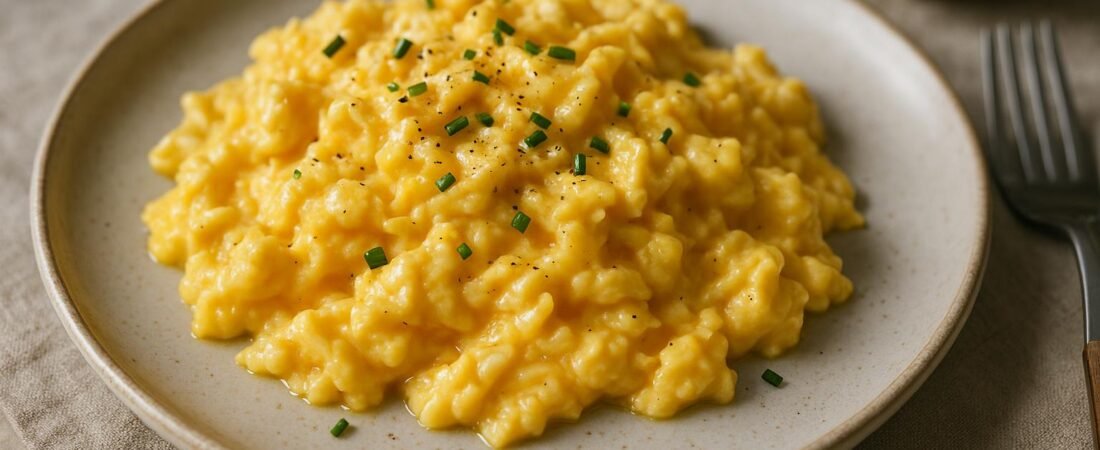
Scrambled eggs are a deceptively simple dish. At first glance, they appear straightforward: whisk eggs, add heat, and serve. Yet anyone who has tasted truly exceptional scrambled eggs knows there is a world of difference between dry, rubbery curds and a plate of soft, creamy, perfectly seasoned eggs. This guide explores the fundamentals, refines your technique, introduces creative variations, and highlights the nutritional value of this everyday staple.
The Basics of Making Scrambled Eggs
Essential Ingredients for Perfect Scrambled Eggs
Achieving consistently excellent scrambled eggs begins with a short, carefully chosen list of ingredients. At the core, you need fresh eggs, a fat for cooking, and a modest amount of seasoning. While it is tempting to add many extras, the best scrambled eggs often rely on restraint and precision.
- Eggs: Use the freshest eggs you can find. Fresh eggs have firmer whites and richer yolks, which translate into better texture and flavor.
- Fat: Unsalted butter is the classic choice, lending a rich, slightly nutty taste and a silky mouthfeel. Clarified butter or ghee work well at higher heat. For a lighter option, a small amount of olive or avocado oil can be used.
- Seasoning: Fine sea salt and freshly ground black pepper are sufficient for a classic scrambled eggs recipe. Add salt to the eggs before cooking for more even seasoning.
- Liquid (optional): A splash of cream, whole milk, or even crème fraîche can add creaminess. Water produces lighter, fluffier curds but can dilute flavor if overused. Generally, use no more than one tablespoon of liquid per two eggs.
For classic scrambled eggs, avoid overloading the mixture with cheese, vegetables, or meats from the outset. Master the base first, then layer in additional ingredients once you understand how they affect texture and cooking time.
Step-by-Step Guide to Classic Scrambled Eggs
Understanding the method is as important as the ingredients. Scrambled eggs are highly sensitive to temperature and timing, so attention to detail is essential.
- 1. Crack and whisk: Crack the eggs into a bowl, ensuring no shell fragments remain. Whisk vigorously with a fork or balloon whisk until the yolks and whites are completely unified and slightly frothy. Proper whisking incorporates a bit of air, setting the stage for fluffy scrambled eggs.
- 2. Season and add liquid: Add salt, pepper, and any chosen liquid. Whisk again to distribute the seasoning evenly. Let the mixture rest for a minute to eliminate larger air bubbles.
- 3. Preheat the pan: Place a nonstick or well-seasoned pan over low to medium-low heat. Add butter and allow it to melt gently until it foams but does not brown. Even, moderate heat is critical for tender curds.
- 4. Pour and wait: Pour the egg mixture into the center of the pan. Let it sit undisturbed for a few seconds until the edges just begin to set.
- 5. Stir and fold: Using a heatproof spatula, gently push the eggs from the edges toward the center, creating soft folds. Continue to slowly stir and fold, scraping the bottom and sides so nothing sticks or overcooks.
- 6. Control the heat: If the eggs are cooking too quickly or browning, immediately reduce the heat or briefly remove the pan from the burner. The goal is small, tender curds, not browned or crispy bits.
- 7. Remove before fully set: For the best scrambled eggs, take the pan off the heat when the eggs are mostly set but still slightly glossy and a bit looser than you ultimately want. Residual heat will finish cooking them.
- 8. Finish and serve: Optionally, fold in a small knob of cold butter or a spoonful of cream, crème fraîche, or soft cheese to enrich and stop the cooking. Serve immediately on warm plates.
This method produces classic scrambled eggs with a soft, custard-like consistency. From here, you can adjust the firmness, seasoning, and mix-ins to align with your preferences.
Tips and Tricks for Fluffy Scrambled Eggs
Choosing the Right Cooking Tools
The equipment you use has a direct impact on the texture and quality of your scrambled eggs. Precision and control are easier to achieve with the appropriate tools.
- Pan: A small to medium nonstick skillet is ideal for most home cooks. It allows the eggs to release cleanly and form delicate curds. A well-seasoned cast-iron pan can also work, provided the heat is carefully managed.
- Spatula: A flexible silicone or rubber spatula is invaluable. Its soft edge allows you to gently coax the eggs into folds without tearing them or scratching the pan.
- Whisk or fork: A balloon whisk incorporates air efficiently, contributing to a lighter texture. A sturdy fork is sufficient for fewer eggs or if you prefer a slightly denser result.
- Heat source: A burner that allows accurate low-to-medium control is crucial. Induction and gas offer excellent responsiveness, but any stove can work if you adjust gradually and avoid high heat.
Choosing proper tools ultimately allows you to focus on the eggs themselves rather than fighting sticking, uneven cooking, or awkward handling.
Common Mistakes to Avoid
Even a well-practiced scrambled eggs recipe can be undermined by a few frequent errors. Recognizing and correcting these pitfalls transforms good results into consistently exceptional ones.
- Using excessive heat: High heat may be faster, but it toughens the proteins and creates dry, rubbery eggs. Gentle heat is non-negotiable for a tender, creamy texture.
- Overcooking: Eggs continue to cook off the heat. If you wait until they are fully firm in the pan, they will be overdone by the time they reach the plate. Always remove them slightly early.
- Insufficient whisking: Poorly mixed eggs create streaks of white and yolk and lead to uneven texture. Whisk thoroughly until the mixture is uniform.
- Too much liquid: While a small amount of milk, cream, or water can enhance fluffiness, overdoing it waters down the flavor and creates a loose, weeping texture.
- Delayed serving: Scrambled eggs deteriorate quickly as they continue to firm up and cool. Avoid letting them sit in a hot pan or on a warm burner; serve immediately.
- Salting too late: Adding salt only at the end can lead to uneven seasoning and a less pleasant texture. Salting the raw mixture early allows it to dissolve and distribute properly.
By avoiding these mistakes, you can reliably produce eggs that are soft, moist, and delicately set—hallmarks of truly perfect scrambled eggs.
Creative Variations of Scrambled Eggs
Gourmet Scrambled Egg Recipes
Once you have mastered classic technique, gourmet scrambled eggs offer a refined way to elevate breakfast, brunch, or even a light dinner. The key is to maintain the core texture while integrating high-quality ingredients with complementary flavors.
- Herbed crème fraîche scrambled eggs: Gently fold in a spoonful of crème fraîche and a mixture of finely chopped chives, tarragon, and parsley just before serving. The result is luxuriously creamy with a bright herbal finish.
- Truffle and parmesan eggs: Cook the eggs slowly with a little butter, then finish with a drizzle of truffle oil or a touch of finely grated truffle and a generous amount of freshly grated Parmigiano-Reggiano. Serve over toasted brioche or sourdough.
- Smoked salmon and dill: Soft-scramble the eggs until nearly done, then gently fold in thin slices of smoked salmon and chopped dill off the heat. A squeeze of lemon at the table balances the richness.
- Mushroom and goat cheese: Sauté finely sliced mushrooms in butter until browned and their moisture has evaporated. Add them to softly scrambled eggs with small dollops of fresh goat cheese. The contrast in textures creates a sophisticated dish.
These gourmet preparations demonstrate how carefully chosen additions can transform simple eggs into an elegant centerpiece, without compromising the tender curds that define the best scrambled eggs.
International Twists on Scrambled Eggs
Scrambled eggs appear in many culinary traditions, each offering distinctive seasonings, aromatics, and accompaniments. Exploring variations of scrambled eggs from around the world expands both your repertoire and appreciation of this versatile dish.
- Mexican-style eggs: Combine scrambled eggs with sautéed onions, tomatoes, jalapeños, and cilantro for a vibrant, mildly spicy version. Serve with warm tortillas, avocado, and a fresh salsa.
- Middle Eastern-inspired eggs: Season the eggs with ground cumin, coriander, and a pinch of turmeric. Add sautéed onions, bell peppers, and fresh herbs such as parsley and mint. Serve with warm flatbread and a side of yogurt.
- Indian masala eggs: Fry mustard seeds and curry leaves in oil, then add onions, tomatoes, green chilies, and spices such as turmeric, garam masala, and chili powder. Stir in the egg mixture and cook until softly set. This aromatic twist pairs well with toasted bread or paratha.
- Chinese-style tomato and egg: Lightly scramble eggs until just set, remove from the pan, then stir-fry tomatoes with garlic, sugar, and soy sauce. Return the eggs to the pan and fold them into the sauce. Serve over steamed rice.
- French soft-scrambled eggs: Cook the eggs over very low heat, stirring constantly, until they form an almost custard-like consistency. Finish with butter and chives. This refined style showcases texture above all else.
These international interpretations illustrate the remarkable adaptability of scrambled eggs. By varying spices, cooking fats, and accompaniments, you can craft endless new dishes while relying on the same fundamental technique.
Nutritional Benefits of Scrambled Eggs
Protein and Nutrient Content
Beyond their culinary flexibility, scrambled eggs offer impressive nutritional value. When prepared thoughtfully, they can be a cornerstone of healthy, satisfying meals throughout the day.
Eggs are a complete protein source, containing all nine essential amino acids in proportions that the body can readily use. One large egg typically provides around six grams of high-quality protein, which supports muscle maintenance, satiety, and overall metabolic health.
In addition to protein, eggs contain a wide array of vitamins and minerals, including:
- B vitamins: Eggs are notable for vitamin B12, riboflavin, and biotin, which contribute to energy production, red blood cell formation, and healthy skin and hair.
- Fat-soluble vitamins: They contain vitamins A, D, and E, supporting vision, immune function, and antioxidant protection.
- Choline: An important nutrient for brain health, liver function, and cell membrane integrity.
- Minerals: Eggs provide selenium, phosphorus, and small amounts of iron and zinc.
Using moderate amounts of healthy fats and limiting heavy, processed additions such as excessive cheese or cured meats helps maintain scrambled eggs as a nutrient-dense, rather than calorie-heavy, component of your diet.
Incorporating Scrambled Eggs into a Balanced Diet
Healthy scrambled eggs can fit easily into many dietary frameworks, from high-protein and lower-carbohydrate approaches to more traditional, balanced meal plans. The key is to consider the entire plate rather than the eggs in isolation.
- Pair with fiber-rich foods: Combine eggs with vegetables such as spinach, tomatoes, mushrooms, or peppers to add fiber, antioxidants, and volume. Serving them alongside whole-grain toast or a small portion of oats balances protein with complex carbohydrates.
- Choose fats intentionally: Use a modest amount of butter or opt for heart-healthy oils like olive or avocado oil. Avoid excessive saturated fat from large quantities of cheese or processed meats.
- Control portion sizes: For most adults, two to three eggs per meal is sufficient, depending on individual energy needs, activity level, and other protein sources consumed during the day.
- Vary preparation methods: Rotate between soft, classic scrambled eggs, vegetable-rich variations, and lighter preparations using minimal added fat. Variety helps maintain interest while distributing nutrients more evenly across meals.
- Balance with other proteins: While eggs are an excellent source of protein, they should be part of a broader pattern that includes fish, legumes, poultry, and plant-based options for a comprehensive nutrient profile.
By approaching scrambled eggs as one component of a wider nutritional strategy, you can enjoy them regularly—at breakfast, lunch, or dinner—without compromising overall dietary quality.
Conclusion
Scrambled eggs exemplify how a simple dish can reward meticulous technique and thoughtful ingredient choices. By mastering the basics, selecting the right tools, and avoiding common mistakes, you can consistently prepare soft, tender, and flavorful eggs that rival those of any professional kitchen. From refined gourmet variations to globally inspired interpretations, the possibilities are extensive and endlessly adaptable.
Equally important, scrambled eggs provide meaningful nutritional benefits, delivering high-quality protein and essential micronutrients in a compact, versatile form. When integrated into balanced meals and prepared with care, they become far more than a convenient breakfast option—they evolve into a reliable foundation for satisfying, nourishing eating every day.
Discover More from Didier Lancelot
Amazon Author page: amazon.com/author/didierlancelot
Narmer Store: narmerstore.org
AI and Technology Ebooks
- Creative AI: Animated Drawings, Manga & Illustrations
- Build a Game with AI: The No-Code Guide
- AI Image Generation Made Easy
- Build a Website with AI: The No-Code Guide
- How to Connect AI to Your Blog: The Ultimate Automation Guide
- AI Productivity Habits: Get More Done in Less Time
- AI Avatars Made Easy
- The Book of AI Prompts: 100+ Proven Prompts
- Make Music with AI: Suno, Udio and AI Music Generators
- Click to Cash
- The Automated Edge: Outwork, Outpace, and Outperform with AI
- AI Side Hustle: How to Make Money with ChatGPT and AI Tools
- Work Smarter with AI
Health, Lifestyle and Home Ebooks
- Hidden Superfoods: The World’s Most Powerful Healing Foods
- Spanish Food: The Complete Cookbook for Authentic Home Cooking
- The Science of Happiness Explained
- The Psychology of Success
- The Secret Sauce of Consistency: What the Experts Don’t Tell You About Fitness
- The Complete Home Bartender’s Guide: Link 1 | Link 2
- Natural Beauty, Made Simple: Easy DIY Organic Skincare Recipes
- Garden Made Simple: Easy, Beginner-Friendly Techniques
- The Dog Training Bible