
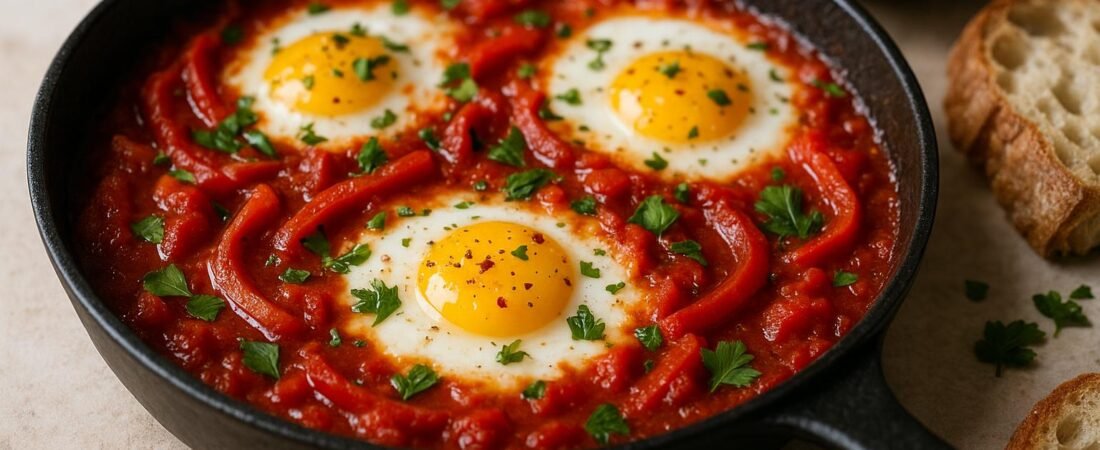
Few dishes capture warmth, comfort, and vibrancy as effortlessly as shakshuka. This simple yet sophisticated combination of eggs gently poached in a spiced tomato and pepper sauce has become a global favorite, appearing on brunch menus and dinner tables alike. Beyond its visual appeal, shakshuka offers a fascinating culinary history, impressive nutritional benefits, and nearly endless room for creativity.
What is Shakshuka?
Origins and History of Shakshuka
The exact origin of shakshuka is debated, yet most culinary historians trace its roots to North Africa, particularly Tunisia and surrounding Maghrebi countries. From there, the dish spread across the region, eventually becoming deeply embedded in Libyan, Algerian, and Moroccan home cooking. Jewish communities migrating from North Africa brought their traditional shakshuka dish to Israel in the mid-20th century, where it evolved from a humble home-cooked meal into a national staple.
In Israel, shakshuka found a natural home in modest eateries and worker cafés, thanks to its affordability and nourishing qualities. Over time, it moved from everyday sustenance to a celebrated icon of local cuisine. As global interest in Middle Eastern food grew, shakshuka traveled further, appearing in European, North American, and Australian restaurants and cafés. Today, it is enjoyed both as a nostalgic comfort food and as a modern, restaurant-worthy dish that reflects centuries of migration, adaptation, and cultural exchange.
Traditional Ingredients Used in Shakshuka
At its core, an authentic shakshuka recipe relies on a short list of well-chosen ingredients. The foundation is a robust tomato base, typically made from fresh tomatoes, canned tomatoes, or a combination of both. To this, cooks add onions and bell peppers (often red for sweetness and color), which are slowly sautéed to create depth of flavor.
The character of classic shakshuka comes from its spices. Common seasonings include garlic, ground cumin, sweet or hot paprika, and sometimes caraway or coriander. Harissa or chili peppers may be added for heat, while a touch of sugar can balance tomato acidity. Olive oil provides richness and helps carry the flavors.
Once the sauce has thickened into a rich, fragrant stew, wells are made in the mixture and eggs are cracked directly into the pan to gently poach. The eggs remain the protein centerpiece, with yolks ideally left soft and runny. Fresh herbs such as parsley or cilantro are scattered on top just before serving, and the dish is almost always accompanied by bread to scoop up the sauce.
How to Make Authentic Shakshuka
Step-by-Step Recipe Guide
The following method offers a straightforward approach to preparing traditional shakshuka at home while leaving room for subtle personalization.
- Ingredients (serves 3–4):
- 3–4 tbsp extra-virgin olive oil
- 1 large onion, finely sliced or diced
- 1 red bell pepper, sliced into thin strips
- 2–3 cloves garlic, minced
- 1–2 tsp ground cumin
- 1–2 tsp sweet paprika (add a pinch of hot paprika or chili flakes if desired)
- 1 can (400 g / 14 oz) crushed or diced tomatoes, or equivalent fresh tomatoes
- Salt and freshly ground black pepper, to taste
- Optional: 1–2 tsp tomato paste for extra richness
- 4–6 large eggs
- Fresh parsley or cilantro, chopped, for garnish
- Bread (pita, challah, sourdough, or crusty loaf) for serving
- Method:
- 1. Build the aromatic base. Heat the olive oil in a wide, shallow pan over medium heat. Add the onion and cook slowly, stirring periodically, until softened and lightly golden. This patient step is key to a flavorful sauce.
- 2. Add peppers and garlic. Stir in the sliced red pepper and continue cooking until it softens and begins to caramelize at the edges. Add the garlic and sauté briefly until fragrant, taking care not to burn it.
- 3. Toast the spices. Sprinkle in the cumin and paprika. Toast the spices for 30–60 seconds, stirring constantly to release their aromas.
- 4. Create the tomato sauce. Add the tomatoes (and tomato paste, if using). Season with salt and pepper. Simmer gently for 10–15 minutes, stirring occasionally, until the sauce thickens and the flavors meld. If it becomes too dry, add a splash of water. Taste and adjust seasoning.
- 5. Form wells and add eggs. With the back of a spoon, make small wells in the sauce. Crack one egg into each well. Keep the heat low to maintain a gentle simmer.
- 6. Poach the eggs. Cover the pan with a lid. Let the eggs cook until the whites are set but the yolks remain soft, typically 6–10 minutes depending on your preference. Avoid overcooking; the contrast of creamy yolks against the tangy sauce is central to authentic shakshuka.
- 7. Finish and serve. Remove from the heat. Sprinkle with chopped parsley or cilantro. Serve immediately, straight from the pan, with plenty of bread for dipping.
Variations and Tips for Personalizing Your Shakshuka
While the traditional shakshuka dish is richly satisfying, it also welcomes thoughtful modifications. Regional shakshuka styles and contemporary twists demonstrate how adaptable this preparation can be without losing its essence.
- Cheese additions: Feta, goat cheese, or labneh can be crumbled over the dish just before serving, adding tanginess and creaminess. Add cheese sparingly to keep the balance between eggs and sauce.
- Green shakshuka: Replace or supplement tomatoes with leafy greens and herbs such as spinach, Swiss chard, kale, or fresh coriander and parsley. Cook the greens with leeks or onions, season well, then poach the eggs in the verdant base for a lighter, herb-forward variation.
- Added vegetables and legumes: Incorporate zucchini, eggplant, or potatoes for extra heartiness, or add chickpeas and white beans for increased plant-based protein and fiber.
- Spice variations: Introduce harissa, Aleppo pepper, smoked paprika, or ras el hanout for a different flavor profile. Adjust heat levels to match your taste and that of your guests.
- Protein enhancements: Though many prefer a vegetarian version, some regional interpretations include merguez sausage, minced lamb, or cured meats. Use modest amounts so the eggs and sauce remain the focal point.
- Texture and consistency: For a more rustic feel, leave tomatoes chunky. For a smoother base, partially blend the sauce before adding the eggs. Aim for a texture thick enough to cradle the eggs without being overly dry.
Health Benefits of Shakshuka
Nutritional Value and Benefits
The nutritional value of shakshuka is one of its strongest advantages. Built primarily from vegetables, eggs, and olive oil, it provides a balanced combination of macronutrients and a wealth of micronutrients.
Eggs supply high-quality protein, essential amino acids, and important nutrients such as vitamin B12, choline, vitamin D, and selenium. Contrary to outdated misconceptions, eggs can fit comfortably into most healthy diets, particularly when paired with vegetables and healthy fats rather than processed meats.
Tomatoes and peppers contribute vitamins A and C, potassium, and antioxidants like lycopene and beta-carotene. These compounds support immune function, skin health, and may help reduce oxidative stress. Cooking tomatoes in olive oil enhances the bioavailability of certain antioxidants, further boosting the health benefits of shakshuka.
Olive oil, a staple in Mediterranean and Middle Eastern cuisines, adds monounsaturated fats associated with cardiovascular health. Used in moderation, it helps with satiety and flavor without overwhelming the dish.
Depending on your chosen shakshuka ingredients, you can also increase fiber (by adding legumes or additional vegetables) and beneficial minerals (through herbs, leafy greens, and modest amounts of cheese). Overall, this dish offers nutrient density with relatively modest calorie content, especially if portions are reasonable and accompaniments are chosen thoughtfully.
How to Make Shakshuka a Part of a Balanced Diet
Incorporating shakshuka into a balanced eating pattern is straightforward due to its flexible composition. With small adjustments, it can suit a variety of dietary preferences and nutritional goals.
- Choosing the right base: Emphasize vegetables in generous quantities. Increase onions, peppers, tomatoes, and optional additions like spinach or zucchini to raise the overall volume and nutrient density without relying on excess fat or refined carbohydrates.
- Mindful use of fat: Use enough olive oil to sauté the aromatics and prevent sticking, but avoid heavy pouring. Measuring the oil helps control total energy intake while still benefiting from healthy fats.
- Balancing the meal: To round out the plate, pair shakshuka with whole grains—such as whole wheat pita, barley, or quinoa—or with a side salad dressed lightly in lemon juice and olive oil. This combination supplies complex carbohydrates, additional fiber, and extra vitamins.
- Portion awareness: One or two eggs per person, alongside a substantial serving of sauce and vegetables, usually offers sufficient protein and satiety. Large amounts of bread or cheese can turn an otherwise moderate dish into a calorie-dense meal, so portion them judiciously.
- Dietary adaptations: For a lower-cholesterol version, you may combine whole eggs with egg whites. For dairy-free diets, simply omit cheese toppings. The core dish is naturally gluten-free if served without wheat-based bread or paired with gluten-free alternatives.
Where to Find the Best Shakshuka
Top Restaurants and Cafes Serving Shakshuka
As shakshuka has risen in global popularity, many cafés and restaurants have developed their own interpretations. While exact recommendations change over time, certain characteristics consistently define the best places to enjoy it.
- Specialist Middle Eastern eateries: Restaurants emphasizing Levantine or North African cuisine often serve particularly authentic shakshuka. They typically respect traditional cooking methods, use high-quality olive oil, and balance spices with care.
- Brunch-focused cafés: In many major cities, brunch spots now feature shakshuka as a signature dish. These establishments may offer creative shakshuka variations—featuring feta, grilled vegetables, or artisanal breads—while still grounding the dish in a classic tomato base.
- Family-run establishments: Smaller, family-owned restaurants often follow recipes passed down through generations. The result is an unpretentious, deeply flavorful version that closely resembles home-cooked shakshuka.
- Quality indicators: Regardless of location, the best shakshuka places share certain traits: sauce cooked slowly and thoroughly, eggs that are just set with runny yolks, fresh herbs, and bread served warm. Avoid versions where the sauce is watery, the eggs are rubbery, or the dish arrives lukewarm.
Shakshuka Around the World: Regional Variations
As the dish has traveled, distinct regional shakshuka styles have emerged, each reflecting local tastes and ingredients while preserving the basic idea of eggs cooked in a flavorful sauce.
- North African versions: In Tunisia and neighboring countries, shakshuka is often more assertively spiced. Harissa, chili, and caraway lend heat and complexity. Some renditions include merguez sausage or other meats, transforming the dish into a more substantial main course.
- Israeli and Levantine styles: In Israel, shakshuka frequently features a slightly sweeter, pepper-heavy sauce with a pronounced tomato presence. Toppings like labneh, feta, and fresh herbs are common, and the dish is widely available from street stalls to high-end restaurants.
- European adaptations: In Europe, especially in cosmopolitan cities, modern bistros may serve shakshuka in cast-iron skillets, sometimes enriched with goat cheese, olives, or seasonal vegetables. Bread selections can range from sourdough to brioche, emphasizing local baking traditions.
- North American interpretations: In the United States and Canada, chefs sometimes blend elements from other cuisines, such as adding charred corn, black beans, or smoky chiles for a crossover with Mexican flavors. Others lean into Mediterranean ingredients like artichokes and roasted eggplant.
- “Green” and alternative shakshukas: Around the world, health-conscious restaurants increasingly showcase tomato-free versions highlighting leafy greens, herbs, and sometimes yogurt-based sauces. While different from traditional shakshuka, they maintain the core idea of eggs gently poached in a rich, vegetable-forward base.
Conclusion
Shakshuka embodies the best qualities of timeless cuisine: simple ingredients, layered flavors, cultural depth, and notable nutritional benefits. Whether you are exploring it as a traditional shakshuka dish from North Africa and the Levant or experimenting with contemporary shakshuka variations, the fundamental appeal remains the same—eggs and vegetables brought together in a single pan to create something greater than the sum of its parts.
By understanding its history, learning to prepare an authentic shakshuka recipe, and appreciating the health benefits of shakshuka, you can confidently integrate this dish into your regular cooking repertoire. Whether enjoyed in renowned cafés known for the best shakshuka places or made in your own kitchen with carefully chosen shakshuka ingredients, this versatile meal offers comfort, nourishment, and a vivid connection to culinary traditions from around the world.
Discover More from Didier Lancelot
Amazon Author page: amazon.com/author/didierlancelot
Narmer Store: narmerstore.org
AI and Technology Ebooks
- Creative AI: Animated Drawings, Manga & Illustrations
- Build a Game with AI: The No-Code Guide
- AI Image Generation Made Easy
- Build a Website with AI: The No-Code Guide
- How to Connect AI to Your Blog: The Ultimate Automation Guide
- AI Productivity Habits: Get More Done in Less Time
- AI Avatars Made Easy
- The Book of AI Prompts: 100+ Proven Prompts
- Make Music with AI: Suno, Udio and AI Music Generators
- Click to Cash
- The Automated Edge: Outwork, Outpace, and Outperform with AI
- AI Side Hustle: How to Make Money with ChatGPT and AI Tools
- Work Smarter with AI
Health, Lifestyle and Home Ebooks
- Hidden Superfoods: The World’s Most Powerful Healing Foods
- Spanish Food: The Complete Cookbook for Authentic Home Cooking
- The Science of Happiness Explained
- The Psychology of Success
- The Secret Sauce of Consistency: What the Experts Don’t Tell You About Fitness
- The Complete Home Bartender’s Guide: Link 1 | Link 2
- Natural Beauty, Made Simple: Easy DIY Organic Skincare Recipes
- Garden Made Simple: Easy, Beginner-Friendly Techniques
- The Dog Training Bible