
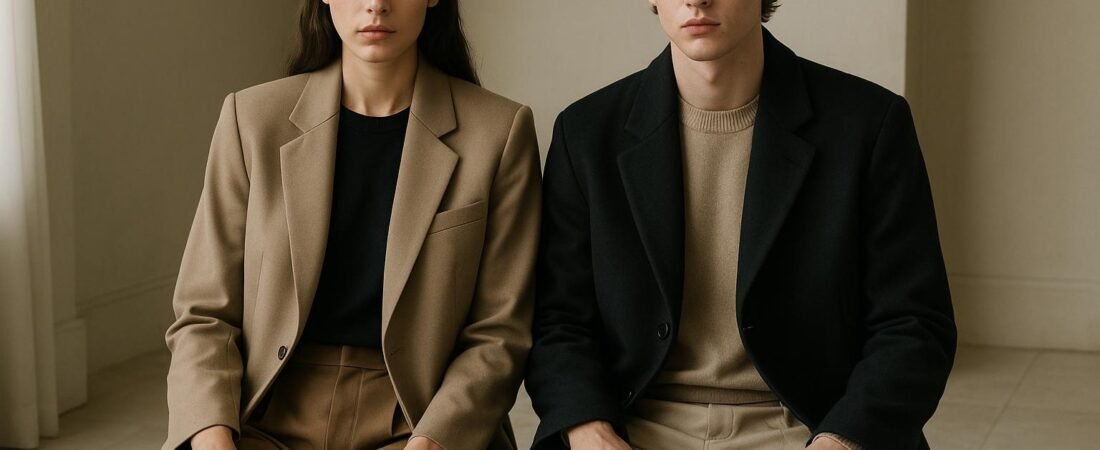
What Is Unisex Fashion?
Unisex fashion collections have moved from niche experiments to a central pillar of contemporary style. As conversations around identity, inclusivity, and sustainability reshape the industry, designers and consumers alike are looking for garments that transcend traditional gender categories. Understanding what “unisex” really means is the starting point for building a modern, versatile wardrobe that feels both relevant and timeless.
Defining Unisex Clothing in Modern Fashion
Unisex clothing refers to garments intentionally designed to be worn by people of any gender. Rather than simply shrinking or enlarging menswear or womenswear patterns, true unisex fashion begins with neutral design principles: balanced proportions, adaptable silhouettes, and thoughtful details that avoid relying on gendered cues.
In practical terms, unisex pieces are typically:
- Simplified in silhouette: Straight or slightly relaxed cuts that do not cling excessively to curves or emphasize broad shoulders, allowing the garment to drape comfortably on different body shapes.
- Function‑oriented: Focused on comfort, movement, and durability, making them easy to integrate into everyday outfits.
- Versatile in styling: Designed to be layered, tucked, cinched, or oversized depending on personal preference rather than gender expectations.
Unisex fashion is not about erasing individuality. Instead, it offers a shared aesthetic foundation that each wearer can personalize through styling, accessories, and fit adjustments. From unisex streetwear to tailored essentials, the goal is always the same: clothing that feels accessible, inclusive, and wearable for everyone.
How Unisex Style Differs From Androgynous and Gender-Neutral Fashion
The terms “unisex,” “androgynous,” and “gender‑neutral” are often used interchangeably, yet they describe distinct ideas within inclusive fashion.
Unisex fashion is driven by usability across genders. A unisex T‑shirt, for example, is pattern‑cut to suit a broad range of bodies and marketed to all genders equally. The emphasis lies in practical shared use rather than a specific aesthetic.
Androgynous style is aesthetic‑led. It blends traditionally masculine and feminine elements into one look, often with deliberate ambiguity. Think of sharp tailoring paired with delicate fabrics or fluid silhouettes styled with robust boots. Androgynous outfits may be built from unisex pieces, but they can also incorporate items from standard menswear or womenswear ranges.
Gender‑neutral clothing goes a step further conceptually. It aims to remove gendered associations from the design itself, often experimenting with non‑traditional silhouettes, alternative sizing systems, and marketing that avoids binary language. Many gender‑neutral collections are unisex in fit but are framed within a broader cultural statement about dissolving gender categories.
In short, unisex fashion collections are the practical backbone; gender‑neutral design explores new frameworks; androgynous style is the expressive, visual outcome that individuals create from these pieces.
Why Unisex Fashion Collections Are Trending
The surge in unisex and gender‑inclusive clothing is not a fleeting fad. It reflects deep cultural and economic shifts reshaping how we consume fashion. From evolving views on gender to a growing emphasis on responsible shopping, the rise of unisex fashion aligns with broader demands for authenticity and sustainability.
Cultural Shifts and the Demand for Inclusive Fashion
Generations raised with greater awareness of identity, diversity, and self‑expression are questioning long‑standing norms in the fashion industry. Strictly segregated menswear and womenswear departments feel increasingly outdated to consumers who move fluidly across styles, silhouettes, and aesthetics.
Several cultural drivers support the rise of inclusive fashion:
- Evolving views on gender: As more people identify outside the binary or reject rigid stereotypes, clothing that imposes gendered expectations feels restrictive. Unisex collections offer a neutral space where self‑expression is not constrained by labels.
- Social media visibility: Digital platforms have democratised style inspiration. Influencers, stylists, and everyday users style unisex outfits in highly individual ways, challenging the notion that specific garments “belong” to one gender.
- Retail convenience: Shoppers increasingly prefer to browse by style or category rather than by gender. Unisex ranges simplify the experience and remove the discomfort some feel when crossing traditional department boundaries.
Brands that respond with genuinely inclusive design and marketing—rather than symbolic gestures—gain trust and loyalty from a generation that expects fashion to reflect their values.
Sustainability and Capsule Wardrobes With Unisex Pieces
Sustainable unisex fashion is also thriving because it aligns naturally with conscious consumption. A single garment that suits multiple people and multiple styling approaches simply works harder in a wardrobe.
When constructing a capsule wardrobe, unisex pieces offer distinct advantages:
- Shared wardrobes: Partners, housemates, or family members can share key items such as outerwear, knitwear, and denim, substantially reducing the volume of clothing purchased.
- Extended wearability: Neutral silhouettes and colours age slowly in style terms, remaining relevant across seasons and trends.
- Simplified decision‑making: A curated collection of unisex wardrobe essentials reduces “decision fatigue,” encouraging more mindful choices and fewer impulse buys.
From a production standpoint, unisex lines can streamline manufacturing, minimising duplicate styles created separately for men and women. When combined with ethical sourcing, low‑impact fabrics, and transparent supply chains, the result is a more responsible, long‑term approach to fashion.
Key Elements of a Unisex Fashion Collection
Well‑designed unisex fashion collections are built around versatility and longevity. They prioritise pieces that integrate seamlessly into different personal styles, from minimal and refined to bold unisex streetwear. Understanding the components that underpin these collections will help you shop more strategically and style outfits with confidence.
Essential Unisex Wardrobe Staples (T‑Shirts, Hoodies, Denim, Outerwear)
Certain garments lend themselves naturally to all‑gender wear because of their structure, function, and cultural familiarity. When curating a unisex wardrobe, the following staples form a solid foundation:
- T‑shirts: Arguably the purest unisex item. Look for mid‑weight cotton or organic cotton jerseys with a straight cut through the body, a crew or modest V‑neckline, and slightly extended sleeves. These work as base layers, standalone tops, or under blazers and overshirts.
- Hoodies and sweatshirts: Relaxed hoodies, crewnecks, and zip‑through styles are central to contemporary unisex streetwear. Choose clean designs with minimal branding, ribbed cuffs, and a hem that sits around the hip for maximum styling flexibility.
- Denim: Straight‑leg or slightly tapered jeans, classic trucker jackets, and overshirts can suit virtually any body. Opt for mid‑rise or slightly higher rises, rigid or semi‑rigid denim for structure, and timeless washes such as mid‑blue, ecru, or black.
- Outerwear: Unstructured blazers, utility jackets, bombers, parkas, and trench coats translate effortlessly across genders. Pay attention to shoulder width and sleeve length for a considered yet relaxed look.
Alongside these, include unisex accessories such as beanies, caps, belts, scarves, and functional bags. These smaller pieces help individualise outfits while maintaining a coherent, shared aesthetic.
Fabrics, Fits, and Colors That Work for All Genders
Unisex fashion relies on careful choices in fabric, construction, and colour to ensure garments flatter a wide variety of body types and style preferences.
Fabrics
- Cotton and organic cotton: Breathable, durable, and easy to care for—ideal for everyday basics like tees, shirts, and sweats.
- Wool and recycled wool: Perfect for outerwear and knitwear, offering warmth without excessive bulk. Merino and fine knits are especially versatile.
- Linen and linen blends: Provide texture and airflow in warmer climates, particularly for shirts, trousers, and summer outer layers.
- Technical fabrics: Water‑repellent or windproof materials excel in functional jackets and performance‑inspired streetwear.
Fits
- Straight and relaxed: Slightly loose silhouettes accommodate different proportions while remaining refined.
- Adjustable features: Drawstrings, waist tabs, cuff buttons, and elasticated inserts allow wearers to customise the fit without tailoring.
- Considered lengths: Tops that hit at the hip and trousers with a clean break at the shoe tend to suit a wide height range.
Colors
- Neutrals: Black, white, navy, grey, beige, and olive form a timeless core that mixes effortlessly across outfits.
- Earth tones: Rust, terracotta, forest green, and sand bring warmth and depth without skewing overtly toward traditional gendered palettes.
- Controlled accents: A restrained use of bolder colours—cobalt, mustard, burgundy—adds personality while remaining wearable for all.
This combination of versatile fabrics, balanced fits, and adaptable colours ensures each piece can live comfortably in any wardrobe, irrespective of gender identity.
How to Style and Shop Unisex Fashion Collections
Knowing how to style unisex outfits and where to find well‑made pieces turns the concept into a practical reality. A strategic approach to layering, proportion, and sizing will help you create polished looks that feel both effortless and intentional.
Styling Tips: Building Everyday Outfits With Unisex Pieces
Unisex garments are, by nature, canvas pieces. How you style them determines the final impression—minimal, street‑inspired, tailored, or eclectic.
- Play with proportion: Combine a boxy unisex hoodie with slimmer trousers, or pair straight‑leg jeans with a more fitted tee. Balancing volume keeps outfits sharp rather than shapeless.
- Use layering to define shape: If a unisex shirt feels wide, layer it open over a fitted base top; add a belt or tuck the front into trousers to suggest a waistline without compromising comfort.
- Elevate basics with texture: Mix smooth cotton with ribbed knits, twill, or denim. Variations in texture add visual interest to simple silhouettes.
- Introduce personal accents: Watches, jewellery, eyewear, and footwear are powerful tools for imprinting your own identity on neutral garments. The same unisex blazer can read dramatically different with chunky boots versus minimalist loafers.
- Curate a consistent colour story: Choose two to three base colours and one accent shade for a season. This makes mixing and matching unisex wardrobe essentials remarkably straightforward.
Approach each piece as modular. The more combinations you can create across work, leisure, and evening settings, the more value you extract from every item in your closet.
Shopping Guide: Sizing, Online Stores, and Ethical Unisex Brands
Finding the right unisex clothing brands and navigating sizing are critical to creating a wardrobe that fits and lasts. A methodical strategy will help you shop effectively, whether online or in person.
Understanding sizing in unisex fashion
- Check measurement charts, not just sizes: Because unisex sizing often follows a menswear or numeric scale, rely on chest, waist, hip, and length measurements rather than assumptions about small, medium, or large.
- Know your key measurements: Taking accurate self‑measurements once (and keeping them on hand) dramatically improves your success rate when ordering online.
- Account for desired fit: Decide whether you prefer a tailored, regular, or oversized look and size accordingly. Many unisex streetwear pieces are intentionally roomy, so you may size down if you favour a neater silhouette.
Where to shop for unisex and gender‑inclusive clothing
- Dedicated unisex labels: Some brands specialise exclusively in inclusive, all‑gender collections, offering cohesive ranges from basics to outerwear.
- Mainstream retailers with unisex capsules: Increasing numbers of high‑street and contemporary labels now offer gender‑neutral drops or permanent all‑gender sections.
- Independent designers and concept stores: Boutique labels and curated stores often champion emerging designers with progressive approaches to fit, sizing, and sustainability.
Prioritising ethical and sustainable choices
- Material transparency: Look for clear information about fabric origins, certifications such as organic or recycled fibres, and details on dyeing and finishing processes.
- Responsible production: Ethical unisex brands typically share information about factories, working conditions, and labour practices.
- Longevity over volume: Invest in fewer, higher‑quality items designed for long‑term wear, tailoring when necessary to extend their life even further.
By focusing on fit, fabric, and responsibility, you build a unisex wardrobe that not only looks refined but also aligns with broader values—reducing waste, supporting fair labour, and promoting inclusive fashion.
Conclusion
Unisex fashion collections represent more than a stylistic trend; they symbolise a shift toward clothing that respects individuality, blurs outdated boundaries, and embraces thoughtful consumption. By focusing on adaptable design, considered fabrics, and inclusive fits, unisex pieces offer a powerful toolkit for building a modern, sustainable wardrobe.
Whether you lean toward understated minimalism, expressive androgynous style, or relaxed unisex streetwear, the principles remain consistent: choose garments that work across contexts, last beyond a single season, and allow you to define your appearance on your own terms. In doing so, you participate in a fashion landscape that is more inclusive, more responsible, and ultimately far more personal.
Discover More from Didier Lancelot
Amazon Author page: amazon.com/author/didierlancelot
Narmer Store: narmerstore.org
AI and Technology Ebooks
- Creative AI: Animated Drawings, Manga & Illustrations
- Build a Game with AI: The No-Code Guide
- AI Image Generation Made Easy
- Build a Website with AI: The No-Code Guide
- How to Connect AI to Your Blog: The Ultimate Automation Guide
- AI Productivity Habits: Get More Done in Less Time
- AI Avatars Made Easy
- The Book of AI Prompts: 100+ Proven Prompts
- Make Music with AI: Suno, Udio and AI Music Generators
- Click to Cash
- The Automated Edge: Outwork, Outpace, and Outperform with AI
- AI Side Hustle: How to Make Money with ChatGPT and AI Tools
- Work Smarter with AI
Health, Lifestyle and Home Ebooks
- Hidden Superfoods: The World’s Most Powerful Healing Foods
- Spanish Food: The Complete Cookbook for Authentic Home Cooking
- The Science of Happiness Explained
- The Psychology of Success
- The Secret Sauce of Consistency: What the Experts Don’t Tell You About Fitness
- The Complete Home Bartender’s Guide: Link 1 | Link 2
- Natural Beauty, Made Simple: Easy DIY Organic Skincare Recipes
- Garden Made Simple: Easy, Beginner-Friendly Techniques
- The Dog Training Bible