
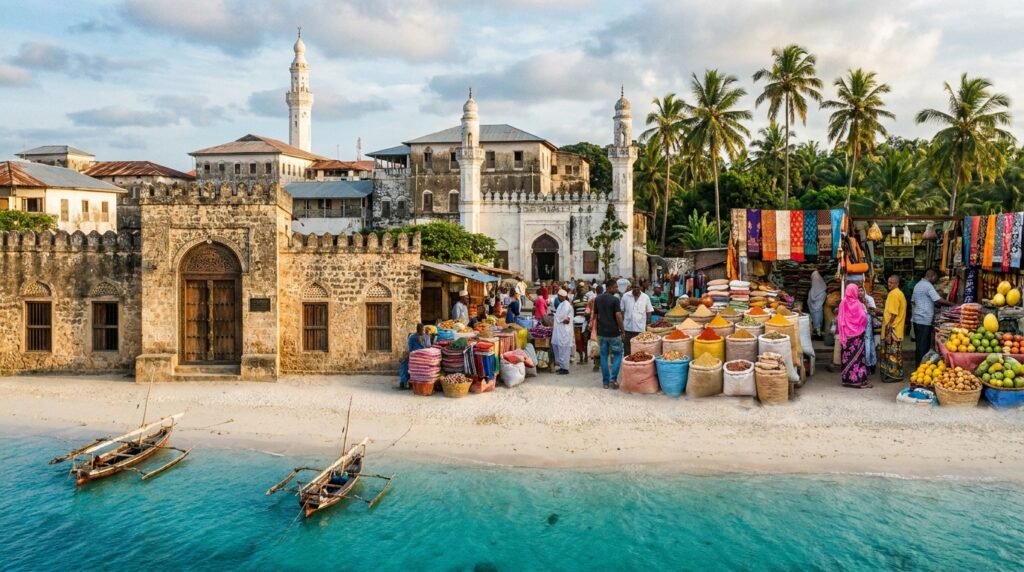
Zanzibar has long captured the imagination of travelers seeking pristine beaches, atmospheric towns, and a rich cultural tapestry shaped by centuries of trade. This archipelago off the coast of Tanzania combines Indian Ocean beauty with Swahili heritage, creating a destination that is both relaxing and intellectually engaging. Whether you are drawn by its turquoise waters, historical architecture, or aromatic spice plantations, Zanzibar offers a multifaceted experience that rewards curious visitors.
Discovering Zanzibar: An Overview
Geographic Location and Climate
Zanzibar is an archipelago in the Indian Ocean, roughly 25–50 kilometers off the coast of mainland Tanzania in East Africa. The two principal islands are Unguja, commonly referred to as Zanzibar Island, and Pemba, situated to the north. Surrounding these larger landmasses is a constellation of smaller islets, many of them fringed by coral reefs and white-sand beaches.
The climate is tropical and generally warm throughout the year, moderated by sea breezes that soften the equatorial heat. Zanzibar experiences two main rainy seasons. The long rains typically fall from March to May, bringing heavy showers and higher humidity. The short rains occur from November to early December and tend to be more sporadic and less intense. Between these wet periods, the archipelago enjoys extended dry spells, particularly from June to October, when temperatures are pleasant and the air feels less humid.
Sea temperatures remain comfortable year-round, rarely dropping below 25°C, making water-based activities feasible in all seasons. However, visibility for diving and snorkeling can vary with the rains and currents, so many travelers time their visit to coincide with the clearest underwater conditions.
Historical Significance of Zanzibar
Zanzibar’s strategic location along historic trade routes between Africa, the Middle East, and Asia has deeply influenced its development. For centuries, it functioned as a trading hub where merchants exchanged spices, ivory, textiles, and other commodities. This intense commercial activity fostered a cosmopolitan culture that blended Arab, Persian, Indian, and African influences.
During the 19th century, Zanzibar became the seat of the Omani Sultanate’s East African empire. Clove plantations and the slave trade brought great wealth to the ruling elite, leaving a legacy of ornate palaces, mansions, and public buildings. At the same time, this prosperity was built upon human suffering, and several sites on the islands now serve as somber reminders of the slave trade and its abolition.
https://www.teepublic.com/t-shirt/50452998-penguin-otter?store_id=2851997
Over time, British colonial rule, followed by independence and eventual union with Tanganyika to form modern-day Tanzania, reshaped Zanzibar’s political landscape. Yet the archipelago has retained a distinct identity, with Swahili language and culture forming the backbone of contemporary life. Today, visitors can explore this layered history through museums, historical houses, and everyday urban scenes that reveal how the past continues to shape the present.
Top Attractions in Zanzibar
Stone Town: A UNESCO World Heritage Site
Stone Town, the historic heart of Zanzibar City on Unguja Island, is the cultural centerpiece of the archipelago. Recognized as a UNESCO World Heritage Site, it is renowned for its labyrinthine alleys, carved wooden doors, and coral-stone buildings that glow in the late-afternoon light. The urban fabric reflects centuries of Swahili, Arab, Indian, and European architectural influences layered upon one another.
Key landmarks include the former slave market site, now home to the Anglican Cathedral, where visitors can learn about the region’s role in the slave trade and the abolitionist movement. The Old Fort, built in the 17th century, stands as a reminder of earlier conflicts and now hosts cultural events, craft shops, and performances. Nearby, the House of Wonders (Beit-al-Ajaib), once a symbol of technological progress, remains one of Stone Town’s most iconic waterfront structures despite ongoing restoration work.
Strolling through Stone Town, travelers encounter bustling markets filled with spices, textiles, and fresh produce; mosques whose calls to prayer echo through narrow lanes; and traditional Swahili homes with intricate balconies and latticed windows. Exploring on foot, with or without a local guide, allows visitors to absorb the town’s atmosphere, from hidden courtyards to rooftop terraces offering panoramic views over the harbor.
Beaches of Zanzibar: Nungwi and Kendwa
The northern tip of Unguja Island is home to Nungwi and Kendwa, two of Zanzibar’s most celebrated beach destinations. Known for their powder-fine sand and clear, aquamarine waters, these coastal villages have become synonymous with relaxation and seaside leisure.
Cairo Travel Guide: From Ancient Pyramids to Vibrant Modern Culture
Tunis Travel Guide: Discover the Mosaics, Medina, and Modern Tunisia
Chefchaouen Travel Guide: Exploring Morocco’s Vibrant Blue Pearl
Marrakech Travel Guide: Discover the Magic of the Red City
Istanbul Travel Guide: A Journey Through History, Culture, and Modern Life
Ultimate Hvar Island Travel Guide: In Croatia
Nungwi, once primarily a fishing and dhow-building community, now hosts a mix of boutique hotels, guesthouses, and restaurants while retaining elements of its traditional character. The beach is lively, with opportunities for boat trips, snorkeling excursions, and sunset cruises aboard wooden dhows. The tidal range here is relatively moderate compared to other parts of the island, allowing for more consistent swimming throughout the day.
Just south of Nungwi, Kendwa offers a slightly more tranquil atmosphere, with a broad stretch of beach that remains swimmable regardless of the tide. The sunsets on this side of the island are particularly striking, casting warm hues across the horizon and creating ideal conditions for evening walks along the shore. Accommodation ranges from simple bungalows to upscale resorts, catering to a wide spectrum of preferences.
Both Nungwi and Kendwa serve as convenient bases for exploring nearby reefs and smaller islands, making them excellent choices for travelers who wish to combine beach relaxation with marine activities and coastal exploration.
Activities and Experiences in Zanzibar
Snorkeling and Diving Adventures
Zanzibar’s coral reefs and vibrant marine life make it a renowned destination for snorkeling and scuba diving in the Indian Ocean. The archipelago’s underwater world features hard and soft corals, colorful reef fish, turtles, and, in some locations, seasonal visits from larger pelagic species such as whale sharks and dolphins.
Popular diving sites around Unguja include Mnemba Atoll on the northeast coast, known for its clear waters, abundant fish life, and excellent visibility. Here, divers and snorkelers can encounter schools of fusiliers, trumpetfish, moray eels, and, with some luck, turtles gliding gracefully over the reef. Closer to Nungwi and Kendwa, several dive centers organize daily trips to nearby reefs, catering to both beginners and experienced divers.
Pemba Island, less developed and more remote, offers some of the region’s most rewarding dive sites, with steep drop-offs, channels, and coral walls teeming with marine biodiversity. Although it requires additional travel, Pemba is particularly appealing to advanced divers seeking less crowded locations and dramatic underwater topography.
For those who prefer to stay near the surface, snorkeling excursions are widely available. Many are combined with dhow cruises, sandbank picnics, or dolphin-watching trips, providing a comprehensive ocean experience. Responsible operators encourage ethical wildlife encounters, advising against chasing or touching marine animals and promoting sustainable practices to protect the reefs.
Spice Tours: The Flavors of Zanzibar
Zanzibar is often referred to as the “Spice Island,” a legacy of its long history of clove, cinnamon, nutmeg, and cardamom cultivation. Spice tours offer a sensory journey into this heritage, allowing visitors to see, smell, and taste the plants that shaped the archipelago’s economy and global reputation.
Most tours take place on working farms or plantations outside Stone Town. Guides lead guests through lush gardens, pointing out familiar spices in their raw, unprocessed form. Visitors can crush leaves between their fingers to release aromas, sample fresh tropical fruits, and learn about traditional uses of spices in Swahili cooking and local medicine.
Beyond their culinary appeal, these tours shed light on the historical ties between agriculture, trade, and cultural exchange in Zanzibar. Many spice farms are small-scale and family-run, offering insights into rural life and contemporary challenges faced by local producers. By purchasing spices and related products directly from these farms, travelers support local livelihoods while bringing a tangible piece of Zanzibar’s heritage home with them.
Travel Tips for Visiting Zanzibar
Best Time to Visit Zanzibar
The ideal time to visit Zanzibar depends on individual priorities, but weather and sea conditions are the main considerations. The period from June to October is generally regarded as the most comfortable: temperatures are warm but not excessively hot, humidity is relatively moderate, and rainfall is limited. These months are well-suited to beach holidays, cultural sightseeing, and outdoor excursions.
December to February is another popular window. The climate is hotter and more humid, yet still favorable for snorkeling, diving, and sunbathing. This period coincides with peak festive travel, so prices may be higher and certain areas, particularly the north, can feel busier.
The long rains from March to May bring heavier showers and occasional storms, which can affect visibility for diving and make some roads more challenging. However, this season also has advantages: fewer visitors, lush landscapes, and potential cost savings. The short rains in November are typically less disruptive and can be manageable for flexible travelers.
When planning a trip, it is also advisable to consider religious and cultural calendars. Ramadan, for instance, influences opening hours of some businesses and restaurants, especially in Stone Town, though most hotels and tourist services remain operational.
Cultural Etiquette and Local Customs
Zanzibar is predominantly Muslim, and local customs reflect Islamic traditions blended with Swahili culture. Respectful behavior is appreciated and contributes to more meaningful interactions with residents. While beachwear is acceptable on resort grounds and along the shore, modest clothing is recommended in towns and villages. Shoulders and knees should be covered when visiting markets, religious sites, or residential neighborhoods.
Greetings are an important aspect of social interaction. Simple phrases such as “Jambo” or “Habari” are warmly received, and using a few words of Swahili demonstrates consideration for local culture. Handshakes are common, but physical contact between unrelated men and women is often more restrained in public settings.
Photography etiquette warrants particular attention. Always ask permission before photographing individuals, especially in rural areas or religious contexts. Some sites, including parts of mosques and government buildings, may restrict photography altogether.
Alcohol is available in many hotels, bars, and restaurants that cater to visitors, but public intoxication is frowned upon. During Ramadan, it is courteous to avoid eating or drinking conspicuously in public spaces during daylight hours, even though hotels will typically continue to serve guests as usual.
Finally, environmentally conscious behavior is increasingly important in Zanzibar. Proper disposal of waste, avoidance of single-use plastics where possible, and respect for marine ecosystems are all contributions visitors can make to preserving the islands’ natural beauty for future generations.
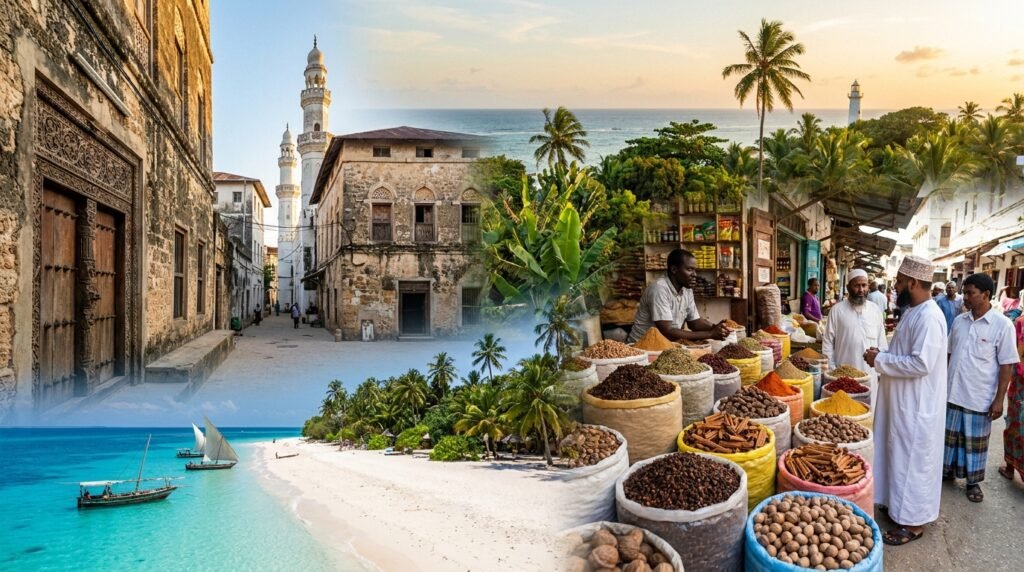
In conclusion, Zanzibar offers far more than idyllic beaches. It is a destination where history, culture, and nature converge in compelling ways. From wandering the alleys of Stone Town and learning about the archipelago’s complex past to diving among coral reefs and tracing the origins of prized spices, travelers encounter a rich blend of experiences. With thoughtful planning, cultural sensitivity, and an openness to discovery, a journey to Zanzibar can be both deeply relaxing and intellectually rewarding, leaving a lasting impression long after the journey ends.
My Puzzle