
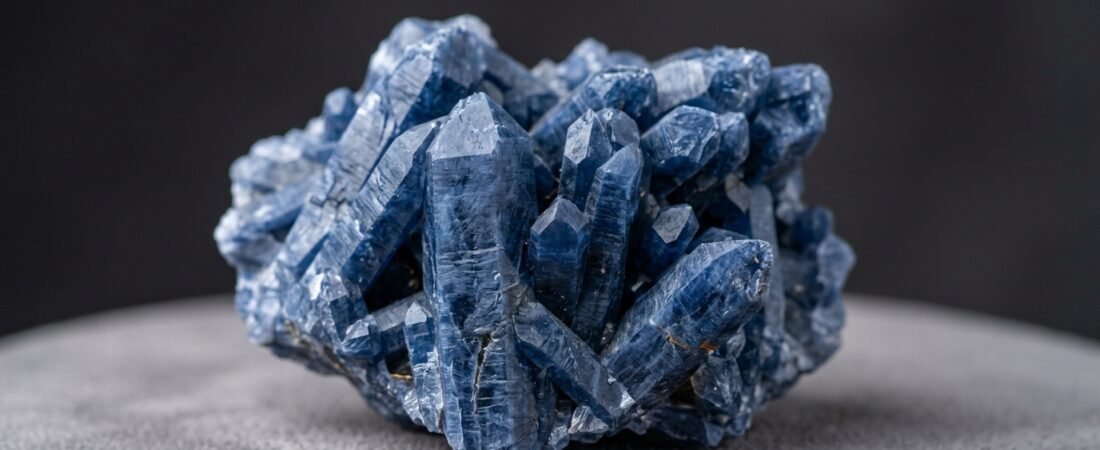
What Is Blue Quartz and Where Does It Come From?
Among the many varieties of quartz found across the globe, Blue Quartz stands apart for its soft, tranquil coloration and its long history of fascination among collectors, healers, and geologists alike. Unlike some gemstones that owe their color to a single well-understood mechanism, Blue Quartz derives its distinctive hue from a combination of geological processes that vary from deposit to deposit. Whether you encounter it as a polished palm stone, a raw crystal cluster, or a carved pendant, this stone carries an undeniable visual serenity that mirrors its reputed metaphysical qualities.
Understanding what Blue Quartz truly is — and where it originates — helps separate authentic specimens from common imitations, and deepens appreciation for the natural forces that shaped it over millions of years.
The Geological Formation of Blue Quartz
Blue Quartz is a variety of the mineral quartz (silicon dioxide, SiO₂) that displays a blue to blue-gray coloration. Quartz itself is one of the most abundant minerals on Earth, but the blue coloration is comparatively rare and arises through specific conditions during crystal growth.
In most cases, the blue tone results from the inclusion of microscopic fibers or particles of other minerals within the quartz matrix. Dumortierite is one of the most common inclusions responsible for this effect, producing a deep, vibrant blue. Other specimens owe their color to inclusions of rutile, tourmaline, or ilmenite, or to a phenomenon known as Rayleigh scattering — the same optical process that makes the sky appear blue. When light interacts with extremely fine particles or structural irregularities within the quartz, shorter blue wavelengths scatter preferentially, giving the stone its signature appearance.
Blue Quartz can form within igneous, metamorphic, and sedimentary environments. Pegmatites — coarse-grained igneous rocks known for harboring large, well-developed crystals — are particularly productive sources. Metamorphic terrains rich in aluminum-bearing minerals also provide ideal conditions for dumortierite-included specimens. The variety found in massive form, sometimes called Blue Quartz in the trade, differs somewhat from the transparent single-crystal variety, which is rarer and more prized by collectors.
Major Sources and Mining Locations of Blue Quartz
Blue Quartz deposits are distributed across several continents, though not all yield material of equal quality or appearance. Brazil is widely recognized as one of the most prolific sources, producing large quantities of massive blue quartz used both in lapidary work and architectural applications. The Minas Gerais region, renowned for its extraordinary mineral wealth, has contributed significantly to the global supply of this stone.
Other notable sources include Norway, where dumortierite-rich specimens have been documented for decades, and parts of the United States, particularly in North Carolina and Virginia. India, Madagascar, and certain regions of South Africa also yield Blue Quartz, often in the massive form used for carvings and decorative objects. Spain has produced blue quartz from metamorphic rock formations, and scattered deposits are found across Austria and Canada as well.
The quality and exact shade of Blue Quartz vary considerably depending on origin. Brazilian material often presents a deeper, more saturated blue, while specimens from other regions may lean toward a softer, more grayish tone. When purchasing Blue Quartz, origin information — where available — can help set realistic expectations about color, transparency, and overall character.
Blue Quartz Meaning and Spiritual Significance
Beyond its geological identity, Blue Quartz carries a rich tradition of symbolic and spiritual meaning that has been cultivated across cultures and centuries. Its calm, oceanic color naturally evokes associations with clarity, stillness, and open communication. For those who work with crystals intentionally, this stone is often regarded as one of the more accessible and gently supportive members of the quartz family.
Symbolic Meaning and Emotional Healing Properties
The Blue Quartz meaning, as understood within crystal healing traditions, centers on the themes of calm, self-expression, and emotional equilibrium. The stone is often associated with the ability to soothe an overactive mind and restore a sense of inner order. In periods of stress, anxiety, or mental clutter, practitioners traditionally turn to Blue Quartz as a companion that encourages a slower, more deliberate approach to thought and communication.
Historically, blue stones have been linked to wisdom, truth, and protective energy across many cultures. Ancient Egyptians revered blue minerals as symbols of the divine sky and the eternal. While Blue Quartz specifically was not always named in ancient texts, the broader tradition of associating blue stones with spiritual protection and clarity is well established and continues to inform modern crystal work.
On an emotional level, Blue Quartz is believed by many practitioners to help dissolve fear-based thinking, ease social anxiety, and encourage honest, heartfelt communication. It is considered a stone of diplomacy — supporting those who need to express difficult truths with grace and without aggression. Whether worn as jewelry or kept nearby during challenging conversations, it is thought to lend a quality of peaceful assertiveness to those who resonate with its energy.
This gentle quality also makes Blue Quartz appealing for those navigating grief, emotional transitions, or creative blocks. It is not considered an intensely stimulating stone; rather, its tradition suggests a slow, nurturing influence — one that steadies rather than accelerates emotional processing.
Blue Quartz Chakra Connection and Energy Work
In chakra-based energy systems, Blue Quartz is most commonly associated with the Throat Chakra (Vishuddha), the energy center located at the base of the throat and linked to communication, self-expression, and authentic truth. When this chakra is believed to be blocked or imbalanced, individuals may experience difficulty articulating thoughts, a tendency to speak without intention, or persistent feelings of being misunderstood. Blue Quartz is traditionally used in energy work to gently open and balance this center.
Some practitioners also connect Blue Quartz to the Third Eye Chakra (Ajna), particularly specimens with a deeper, more violet-tinged blue. The Third Eye is associated with intuition, inner vision, and the capacity to perceive subtle patterns. In this context, Blue Quartz is thought to support meditative states, enhance perceptive clarity, and encourage a quieting of mental chatter that allows deeper awareness to emerge.
Placing Blue Quartz directly on the throat or brow during a lying-down meditation, or simply holding it in the non-dominant hand, are among the most commonly recommended methods within energy healing traditions. The stone is also frequently used during sound healing sessions, breathwork practices, or journaling rituals focused on self-expression and inner truth.
As with all quartz varieties, Blue Quartz is believed to amplify intention, making it a versatile companion across different energy practices. Those already familiar with the properties of Rutilated Quartz — known for its energizing and amplifying qualities — may find Blue Quartz to be a complementary counterpart, offering a more calming and receptive energy within a broader crystal practice.
Blue Quartz Healing Properties and Metaphysical Benefits
The healing properties attributed to Blue Quartz span both the physical and the psychological, reflecting the holistic perspective that characterizes most crystal healing traditions. It is important to approach these beliefs with informed discernment: the properties described below represent longstanding metaphysical traditions and are not to be understood as medical advice or proven therapeutic claims. That said, when integrated thoughtfully into a broader wellness practice, many individuals report finding genuine value in working with this stone.
Physical and Mental Health Benefits of Blue Quartz
Within crystal healing traditions, Blue Quartz is often associated with the respiratory system and the organs of communication — the throat, larynx, and lungs. Practitioners have traditionally used it with the belief that it may support those dealing with respiratory discomfort, thyroid imbalances, or chronic throat issues, though these uses remain strictly within the realm of energetic and complementary practice rather than clinical medicine.
On the mental and psychological level, Blue Quartz is more widely discussed for its believed capacity to reduce mental noise and promote organizational thinking. Those who tend toward scattered thought patterns, difficulty concentrating, or a sense of overwhelm are thought to benefit from its calming influence. The stone is sometimes described as a mental clarifier — one that helps bring order to chaotic internal landscapes without suppressing emotion.
Blue Quartz is also associated in certain traditions with immune support and detoxification, particularly in relation to the lymphatic system. Again, these are energetic correspondences, not medical claims, and should be understood as part of a supplementary approach to wellness rather than a replacement for professional medical care.
Psychologically, the stone’s association with calm communication makes it particularly relevant for those in professions requiring clarity of speech, emotional regulation, or interpersonal sensitivity — teachers, therapists, public speakers, and mediators among them. Its tradition suggests it supports not just the ability to speak, but the courage to do so with sincerity.
How to Use Blue Quartz for Meditation and Daily Life
Incorporating Blue Quartz into daily life requires no elaborate rituals. Its gentle energy makes it suitable for beginners and experienced practitioners alike. The following are some of the most widely used approaches within the crystal healing community.
- Meditation: Hold a tumbled Blue Quartz stone in both hands or place it at the base of the throat during guided or silent meditation. Focus on the breath, allowing the stone’s cool, calm energy — as traditionally described — to help quiet mental activity and deepen presence.
- Wearing as jewelry: Blue Quartz pendants worn near the throat are a popular choice for those who wish to maintain a connection with its reputed communicative properties throughout the day. Rings and bracelets are also common.
- Desk or workspace placement: Keeping a Blue Quartz specimen on a work desk is believed to support focused thought and reduce ambient stress. It is particularly popular among writers, students, and those who work in high-communication environments.
- Sleep support: Some practitioners place Blue Quartz on a nightstand or beneath a pillow with the intention of promoting restful sleep and vivid, meaningful dreams. Its calming tradition lends itself naturally to pre-sleep rituals.
- Journaling companion: Holding or resting a Blue Quartz stone nearby during journaling sessions is believed to encourage honest self-reflection and ease the process of articulating difficult emotions on the page.
Blue Quartz pairs harmoniously with other crystals in intentional layouts. Those interested in broader quartz family pairings might also explore the properties of Milky Quartz, which is similarly associated with purification and gentle emotional support, or consider how Tourmalinated Quartz might add grounding and protective qualities to a crystal arrangement centered around Blue Quartz’s calming influence.
How to Choose, Cleanse, and Care for Blue Quartz
Owning Blue Quartz responsibly begins with informed purchasing and extends to regular maintenance of the stone through cleansing and energetic care. Given the growing popularity of crystals in the wellness market, the ability to identify authentic material and properly care for it is an increasingly valuable skill.
Tips for Buying Authentic Blue Quartz Crystals
The Blue Quartz market, like that of many popular gemstones, includes a range of materials — some natural, some treated, and some outright synthetic. Understanding what to look for helps ensure that you are acquiring a genuine specimen with the properties and appearance you expect.
Natural Blue Quartz should display slight variations in color distribution. Uniform, perfectly saturated blue throughout a large specimen is a potential indicator of dyeing or artificial enhancement. Authentic pieces often show subtle gradations in shade, natural inclusions, or areas where the blue shifts slightly depending on the angle of light. These imperfections are signs of authenticity, not flaws.
Be cautious of very inexpensive blue stones labeled as Blue Quartz without supporting provenance. Some vendors sell dyed chalcedony, blue glass, or synthetic materials under the quartz name. Purchasing from reputable dealers — whether at established gem shows, specialist crystal shops, or certified online retailers with transparent sourcing practices — significantly reduces this risk.
Consider also the form of the stone relative to your intended use. Raw or rough Blue Quartz is ideal for collectors and those who prefer a more natural aesthetic. Tumbled stones offer comfort during meditation and are easier to carry. Spheres, points, and carved shapes serve decorative and ceremonial purposes. Each form is valid; the choice depends on personal preference and intended application.
When possible, request information about the geographic origin of the stone. While not always available, provenance details offer useful context and generally indicate a more transparent supply chain.
Best Methods to Cleanse and Recharge Blue Quartz
Within crystal healing traditions, regular cleansing is considered essential for maintaining the energetic integrity of a stone — particularly one used frequently in meditation, emotional work, or healing sessions. The concept holds that crystals absorb energies from their environment and from the people who handle them, and periodic clearing restores their natural resonance.
Several cleansing methods are compatible with Blue Quartz, though some precautions are worth noting given the stone’s color sensitivity.
- Moonlight cleansing: Placing Blue Quartz under the light of a full moon overnight is one of the most gentle and universally recommended methods. It avoids any physical intervention and is believed to be particularly effective for stones associated with water, emotion, and communication.
- Sound cleansing: Using a singing bowl, tuning fork, or other resonant instrument near the stone is believed to clear stagnant energy through vibrational frequency. This method is safe for all stone types and requires no physical contact with the crystal.
- Smudging: Passing Blue Quartz through the smoke of burning sage, palo santo, or other cleansing herbs is a traditional method drawn from various indigenous and spiritual practices. It is effective and non-damaging to the stone.
- Selenite charging plate: Resting Blue Quartz on a selenite slab or within a selenite bowl is a popular passive method, as selenite is traditionally believed to both cleanse and recharge other stones without needing to be cleansed itself.
- Brief water rinsing: While short exposure to clean water is generally tolerable for quartz varieties, extended soaking is not recommended. Blue Quartz — especially specimens with dumortierite or other inclusions — may be susceptible to surface changes with prolonged moisture exposure. A brief rinse under cool running water, followed by thorough drying, is considered acceptable on an occasional basis.
Direct sunlight, while sometimes used for crystal cleansing, is worth approaching with caution for Blue Quartz. Prolonged UV exposure can cause color fading in some specimens, particularly those with organic or light-sensitive inclusions. Moonlight or indirect ambient light is the safer alternative for preserving the stone’s appearance over time.
After cleansing, many practitioners choose to set a clear intention with their Blue Quartz — holding it quietly, breathing with purpose, and mentally or verbally stating how they wish to work with the stone. This practice, while personal and intuitive, is a meaningful way to establish a focused relationship with any crystal.
Conclusion
Blue Quartz occupies a distinctive place within the broader world of quartz minerals — visually serene, geologically interesting, and rich in metaphysical tradition. From its formation within pegmatitic and metamorphic environments to its associations with calm communication and Throat Chakra healing, the stone offers multiple layers of meaning for those who approach it with curiosity and intention.
Whether you are drawn to Blue Quartz for its aesthetic qualities, its reputed emotional support, or its geological character, engaging with it thoughtfully — through informed purchasing, regular care, and intentional use — will deepen your experience of what this gentle stone has to offer. As with all crystal traditions, the value lies not in guaranteed outcomes, but in the quality of attention and intention you bring to the practice.
Blue Quartz is, at its core, an invitation to slow down, speak with authenticity, and cultivate clarity — qualities that remain quietly powerful regardless of the context in which they are pursued.
About the Author
Didier Lancelot is an independent author and creator of the Everyday AI Series, with books on wellbeing, natural living, cooking and practical technology. Explore all his books on his Amazon Author page or visit Narmer Store.